Induction Cooktops: Transition to Smarter Kitchen Efficiency
Imagine standing in your kitchen as a pot of water slowly heats on a gas stove. The surrounding air grows warmer, and you question whether a more effective method exists. If induction cooktops have piqued your interest yet doubts linger about their performance compared to gas, know that numerous homeowners share this uncertainty. Induction emerges as a superior, cleaner alternative that addresses these concerns.
The shift from gas to induction might appear daunting at first, yet it proves straightforward with foundational knowledge. This guide covers the essentials of induction zones, their operational principles, associated expenses, and strategies for a confident gas-to-electric transition.
Reasons Homeowners Choose Induction Over Gas
Gas stoves long dominated for their responsiveness, but induction now rivals and surpasses them in key areas. Homeowners increasingly opt for this change due to tangible benefits that enhance daily cooking.
-
Superior Efficiency and Heating Speed
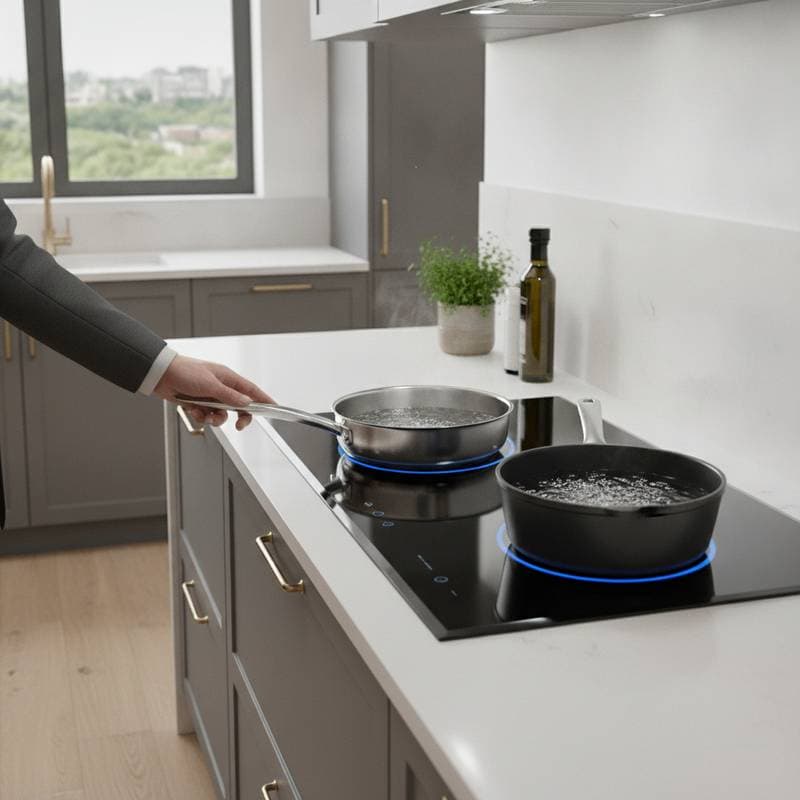
Induction systems achieve 80 to 90 percent energy efficiency, far exceeding the 35 to 40 percent of gas stoves. Boiling water takes approximately half the time, and temperature adjustments occur instantaneously for consistent results. -
Enhanced Safety Features
The cooktop surface stays cool to the touch outside the cookware area, minimizing burn hazards. Without open flames or risks of gas leaks, induction prioritizes household safety. -
Improved Indoor Air Quality
Gas combustion releases nitrogen dioxide and particulates that compromise air quality, even under hood ventilation. Induction produces no such emissions, fostering a healthier kitchen environment. -
Simplified Cleaning Process
Heat concentrates solely in the pan, preventing the surface from reaching extreme temperatures. Spills wipe away easily with a damp cloth, maintaining a pristine appearance. -
Alignment with Future Trends
As regions promote full electrification, adopting induction early boosts property value and avoids potential regulatory expenses.
Step-by-Step Guide to Gas-to-Induction Conversion
Replacing a gas stove with induction requires coordinated preparations beyond selecting the appliance. Follow these steps to ensure a seamless implementation.
-
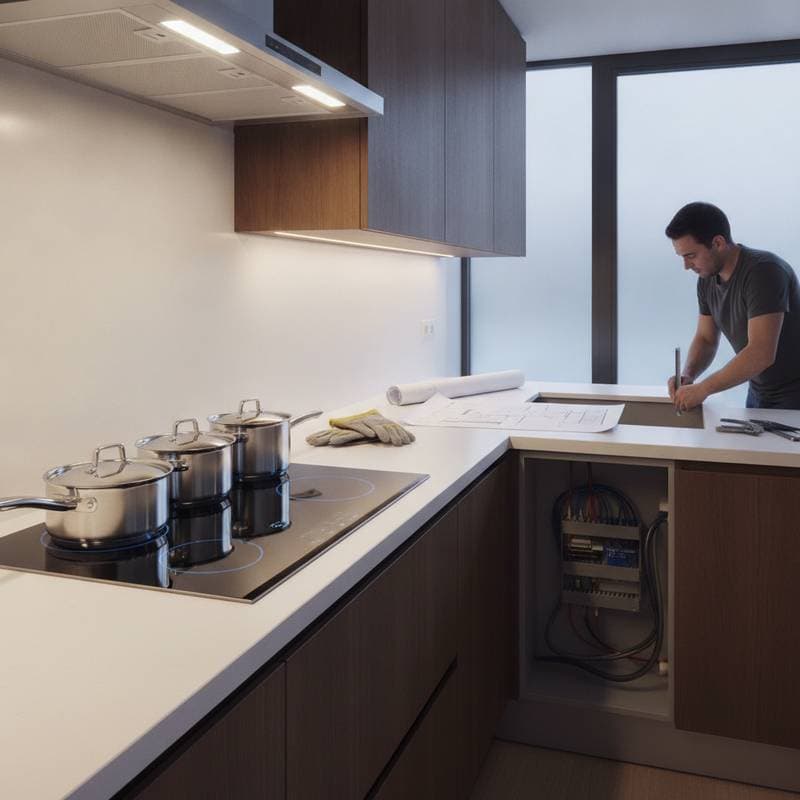
Assess Electrical Capacity
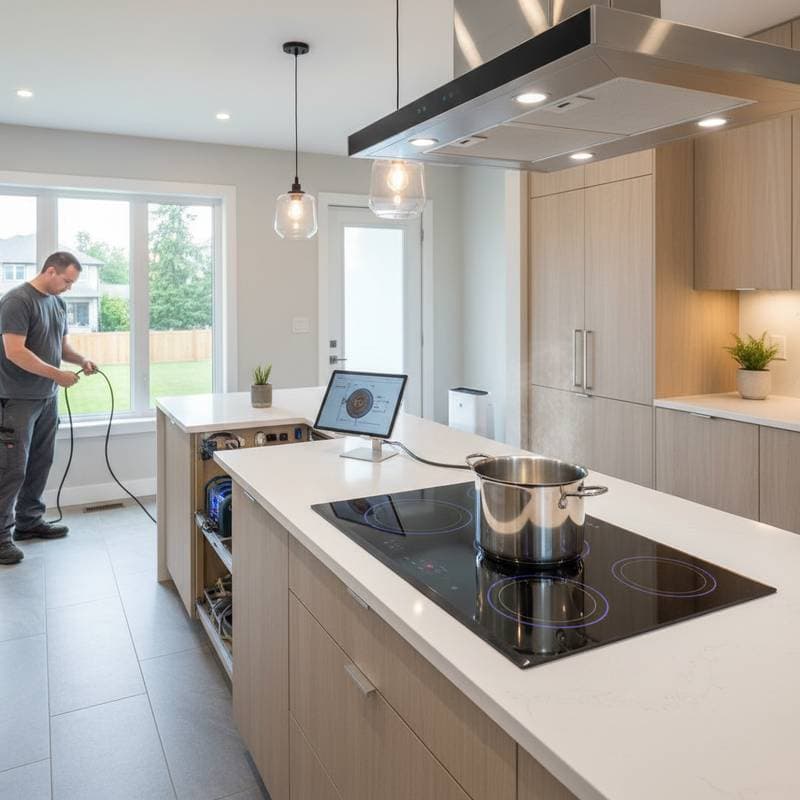
Determine if your home's electrical panel supports the added demand, typically 40 to 50 amps for a standard cooktop. Consult a licensed electrician for a professional evaluation, which often reveals sufficient capacity in modern homes. -
Secure the Gas Line
Engage a certified plumber to disconnect and cap the gas supply line properly. This essential task, costing under $200 in most cases, prevents hazards and complies with codes. -
Choose Appropriate Cooktop Dimensions
Induction models typically measure 30 or 36 inches wide to fit common cabinet cutouts. Verify your countertop dimensions and consider bridge zones for larger cookware if needed. -
Maintain Adequate Ventilation
Although induction generates less ambient heat and no fumes, effective exhaust remains vital for managing steam and cooking aromas. Install a low-noise range hood with at least 300 cubic feet per minute airflow capacity. -
Complete Installation and Verification
After electrical connections, activate and test each cooking zone for uniform performance. Familiarize yourself with features like boost modes for rapid searing and safety locks to prevent accidental activation.
Energy Consumption and Ecological Advantages
Induction cooking optimizes energy transfer directly to the cookware, resulting in negligible waste heat. Kitchens remain cooler, reducing reliance on air conditioning and yielding modest savings on utility statements, often 10 to 20 percent lower for cooking tasks.
Environmentally, this method eliminates on-site fossil fuel use, curbing indoor pollutants and greenhouse gas contributions. Pairing induction with renewable energy sources amplifies these gains, supporting sustainable home practices.
Upkeep and Durability Expectations
Induction cooktops demand minimal routine care relative to gas or coil-electric alternatives. No grates or elements require disassembly; simply use a non-abrasive cleaner on the ceramic glass to remove residues.
Should a zone malfunction, common issues involve sensors or wiring, resolvable with manufacturer parts. Professional service ensures longevity, with well-maintained units operating reliably for 10 to 15 years or beyond. Select compatible ferromagnetic cookware, such as cast iron or stainless steel, to maximize performance and avoid compatibility issues.
Upgrade Your Kitchen for Precision and Comfort
Embracing induction over gas elevates safety, efficiency, and ease in meal preparation. Begin by verifying electrical readiness, allocating funds for the cooktop (ranging from $500 to $2000) and professional installation ($300 to $800), and sourcing suitable pots and pans.
Post-installation, the improvements become evident: cooler surroundings, effortless maintenance, and responsive control. Each cooking session reinforces the value of this upgrade, transforming routine tasks into efficient, eco-conscious routines.