Modular Kitchens: Enduring Upgrades for Renters
As a remodeling contractor, I have assisted numerous renters who desire an improved kitchen yet face constraints from lease agreements. These individuals frequently prepare meals, value aesthetic design, and resist investing in enhancements they cannot relocate. Modular kitchens address this challenge effectively. With proper planning, renters can significantly elevate their kitchen spaces without risking deposits or abandoning investments upon relocation.
A modular kitchen consists of independent units that install, rearrange, and remove without harming the underlying structure. This professional solution combines adaptability with enduring value, particularly for renters anticipating a temporary stay while seeking control over their environment.
Challenges of Permanent Kitchen Upgrades for Renters
Renters pursuing conventional renovations encounter three common obstacles:
- Lease prohibitions. Standard agreements typically ban lasting alterations, such as removing cabinets, relocating plumbing, or substituting flooring.
- Forfeited investments. Enhancements abandoned during move-out become the landlord's assets.
- Potential for structural harm. Minor errors, like improper drilling, may result in repair expenses or deducted deposits.
I have observed tenants expend thousands on irreversible cosmetic modifications. For instance, one client fitted bespoke cabinetry in a leased condominium, only to forfeit it when the landlord denied removal at lease end. Such incidents led me to advocate for modular alternatives that relocate alongside tenants.
Benefits of Modular Kitchen Systems
Modular kitchens rely on standalone components. Cabinets, countertops, and shelving function as distinct units that join via mechanical connections rather than adhesives or nails. This configuration yields a refined appearance without modifying the property. Advantages extend past mere adaptability.
- Simplified setup and disassembly. Modular cabinets often employ hidden brackets or adjustable supports, eliminating the need for fixed wall or floor attachments.
- Repurposing potential. Tenants can transport the full assembly to subsequent residences, adjust its configuration, or augment it with compatible elements.
- Customization options. Selections in finishes, hardware, and arrangements align with culinary routines and visual tastes.
- Financial safeguards. Ownership of materials preserves resale or reuse worth.
I advise clients that modular cabinetry represents one of the scarce enhancements capable of accompanying relocations. This portability distinguishes it within rental scenarios.
Initial Planning Steps
To enhance a rental kitchen meaningfully, evaluate permissible modifications first. Review the lease thoroughly and consult the landlord prior to commencement. Landlords generally approve non-invasive improvements that spare plumbing, electrical, and structural features.
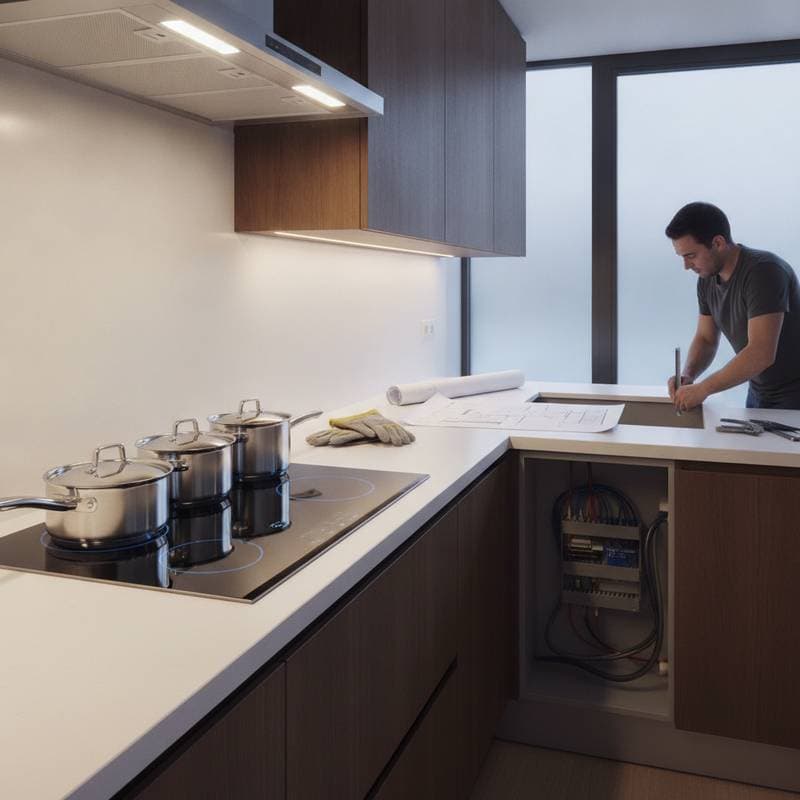
Next, examine the kitchen configuration. Conduct precise measurements, accounting for door swings, window placements, and appliance dimensions. Modular setups demand accuracy; discrepancies as small as half an inch may disrupt alignment or produce unsightly gaps.
With measurements in hand, prioritize key areas. In typical rental kitchens, three zones yield the most impact:
- Storage and cabinetry
- Counter surfaces and workspaces
- Illumination and organizational tools
Each zone benefits from modular or detachable elements.
Effective Storage Enhancements
Rental kitchens often suffer from inadequate storage. Existing cabinets tend to feature limited depth, irregular spacing, or suboptimal layouts. Modular cabinet systems rectify these issues through versatile designs.
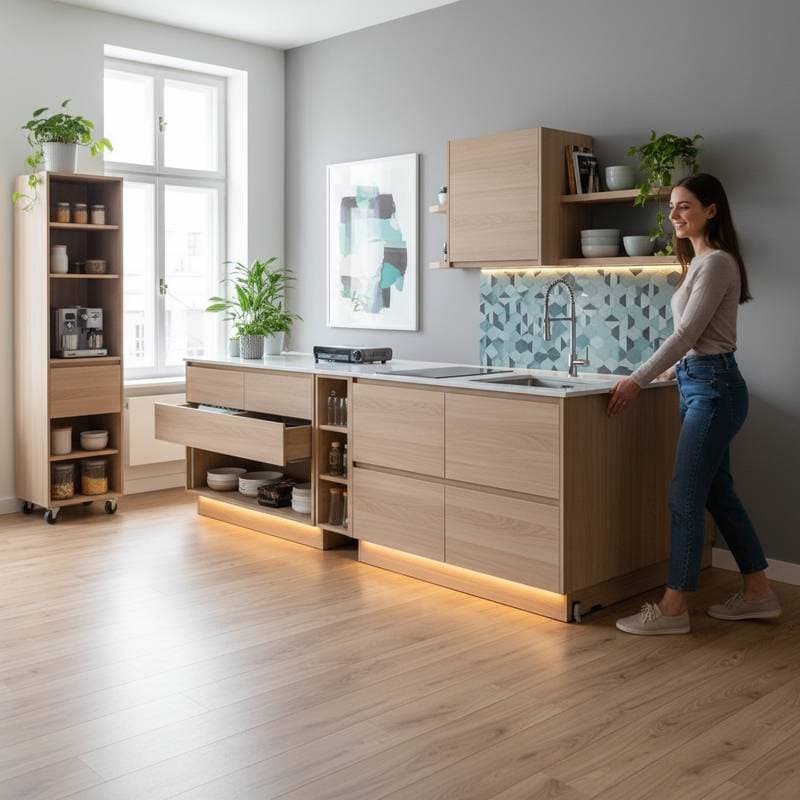
Begin with freestanding base cabinets elevated on adjustable legs, bypassing floor anchoring. Incorporate wall shelves suspended from track systems rather than direct stud penetration. Certain manufacturers offer corner units that secure via straightforward locking devices, requiring no specialized tools.
In a project for a tenant in a compact apartment, I implemented modular base cabinets featuring interchangeable panels. The client selected matte white doors for a minimalist aesthetic, later replacing them with walnut accents upon relocation. All components transferred intact, leaving no residue.
Portable Countertop Solutions
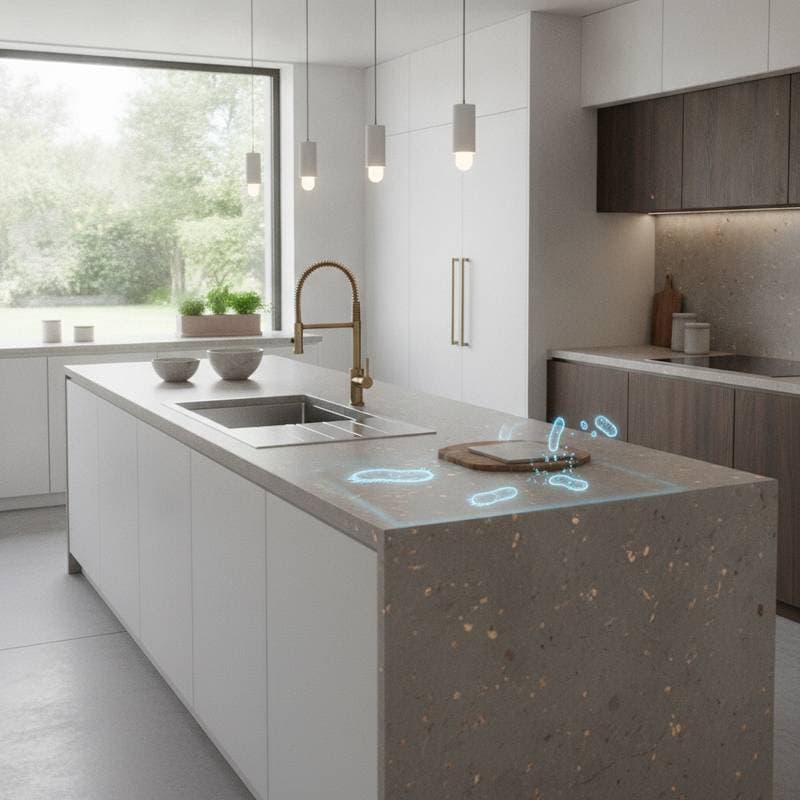
Conventional countertops prove costly and immovable. Modular variants detach readily for reuse. Opt for durable options such as laminate, solid-surface materials, or lightweight composites sized to standard kitchen dimensions. Steer clear of substantial stone, prone to transport difficulties and fracture risks.
Consider a modular island mounted on casters for versatile counter area, added storage, and focal appeal without fixed installation. I have constructed multiple such units for renters, who subsequently repurposed them as independent prep areas in new dwellings.
Illumination and Organizational Improvements
Effective lighting elevates kitchen functionality. Rather than installing wired fixtures, employ plug-in track systems or under-cabinet LED strips secured with removable adhesives. These deliver expert-level brightness absent electrical modifications. For ceiling options, tension-mounted or clamp-based fixtures provide targeted illumination sans drilling.
Organizational aids like modular pegboards, magnetic panels, and rail assemblies accommodate utensils and pots. These affix via releasable adhesives or brackets linked to overhead cabinets. I suggest stainless steel or powder-coated variants, which resist humidity and thermal exposure in confined cooking areas.
Safeguarding Rental Investments
All tenant modifications must remain reversible and transportable. Employ materials and methods that shield both personal assets and landlord property. I recommend these essential protocols to every client:
- Record all alterations. Photograph the pre-upgrade kitchen to counter potential deposit conflicts.
- Eschew lasting adhesives. Favor mechanical connectors or detachable mounting hardware.
- Retain original packaging. Modular kits frequently contain reusable fasteners essential for future reassembly.
- Uphold component condition. Wipe hardware, secure connections, and substitute degraded elements like feet or hinges prior to relocation.
Renters who regard upgrades as mobile possessions derive superior returns. They relocate assuredly, with enhancements in tow.
Achieving Professional Durability in Modular Designs
A prevalent myth portrays modular kitchens as inexpensive or fleeting. In reality, superior systems adhere to identical robustness criteria as integrated cabinetry. Distinctions arise in assembly and installation methodologies.
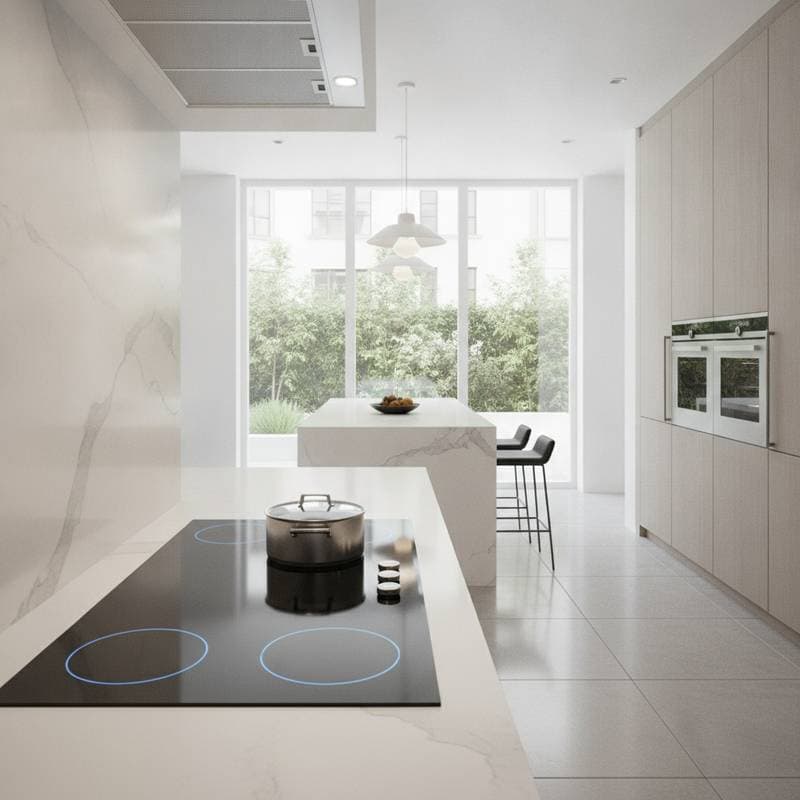
I have collaborated with modular collections incorporating full-extension glides, damped hinges, and water-repellent boards. Select lines even proffer quartz surfaces tailored to modular specifications. Prioritize designs engineered for iterative setup and takedown. Shun low-grade particleboard prone to deterioration; embrace solid-core or dense composite constructions.
Should doubts persist, engage a contractor or kitchen expert to identify options harmonizing expense, resilience, and mobility. Initial investments in quality avert subsequent repair needs.
Navigating Legal and Lease Obligations
Prior to any installation, verify lease stipulations. Landlords commonly endorse reversible enhancements that boost utility or allure. Obtain written approval for potential alterations, encompassing cabinetry, lighting, or utility interfaces.
Present a concise proposal to the landlord, detailing products and visuals demonstrating damage-free removal. I have witnessed agreements for shared expenses when upgrades augment property appeal.
For subletting intentions, modular pieces facilitate extraction of valuables pre-handover, segregating investments from the premises.
Sustaining Modular Kitchen Longevity
Post-installation, manage the modular kitchen as a perpetual resource. Preserve manuals, monitor warranties, and perform routine cleanings. During moves, dismantle methodically and tag components. Encase doors and surfaces in protective coverings to avert abrasions. Organize fasteners in marked containers.
Systems evolve over time through additions or aesthetic refreshes. Consistent modular ranges enable piecemeal enhancements without wholesale substitution. I have guided clients from minimal setups to comprehensive kitchens across multiple leases, exemplifying tangible worth.
Implementing Your Modular Upgrade
To initiate, source reputable modular suppliers emphasizing renter-friendly designs. Budget for quality components that withstand disassembly cycles. Collaborate with professionals if measurements or assembly prove complex. This investment not only refines your current space but equips future homes with tailored efficiency, ensuring upgrades endure beyond any single lease.