Why Induction Cooktops Are Replacing Gas Stoves
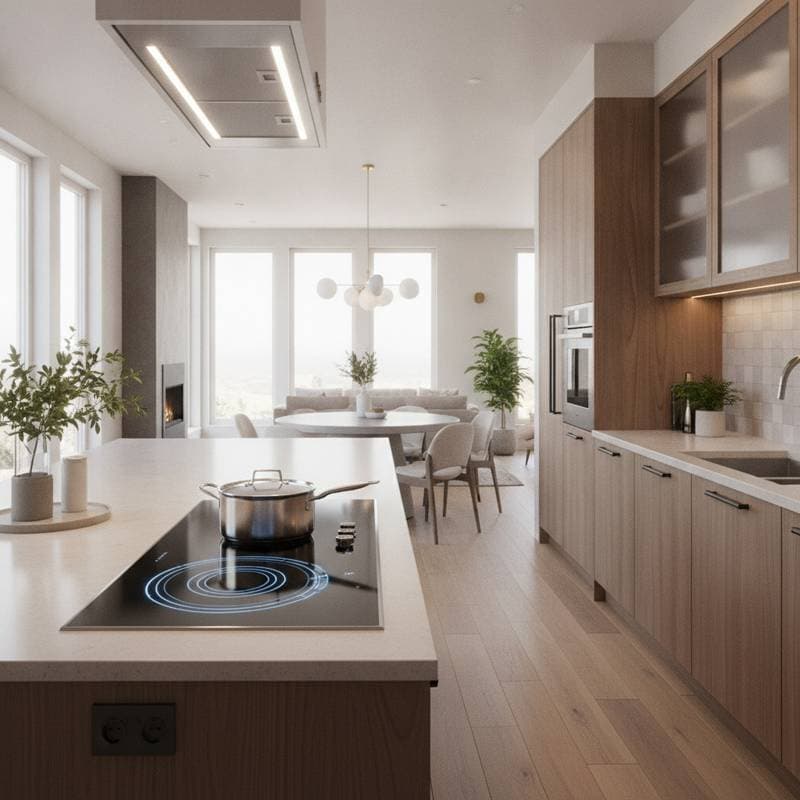
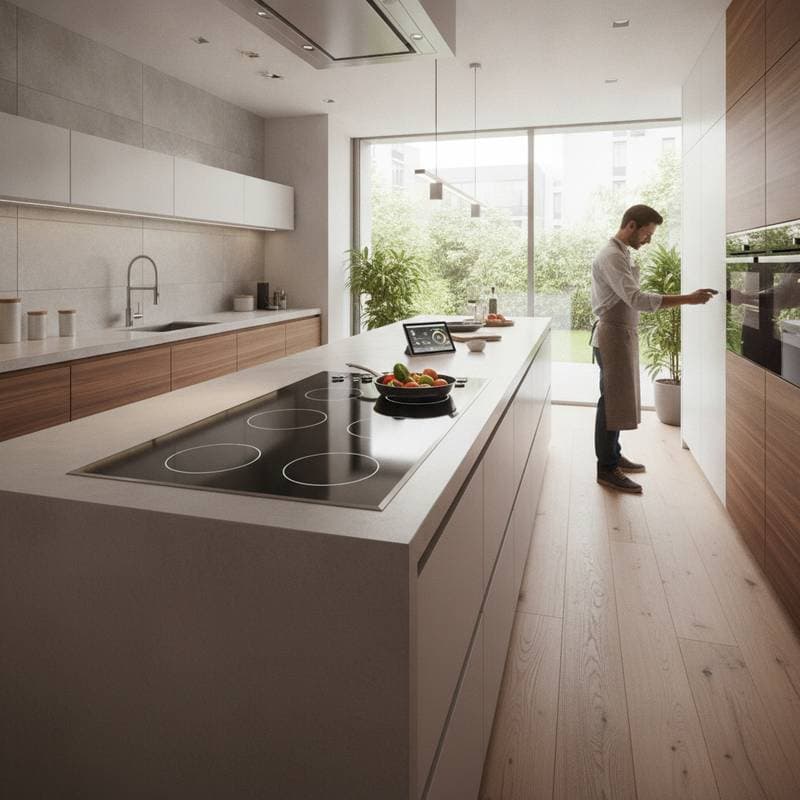
Induction cooking combines sustainability, safety, and refined design. It offers precise performance, cleaner air, and a minimalist surface that integrates with contemporary living spaces.
Gas kitchens are fading as homeowners choose all-electric induction systems. These cooktops deliver speed, safety, cleaner air, and lower energy costs while satisfying stricter building codes.
Modern kitchens are trading gas flames for sleek induction zones that cook faster, safer, and cleaner. Superior efficiency, precise temperature control, and minimalist design support both performance and sustainability.
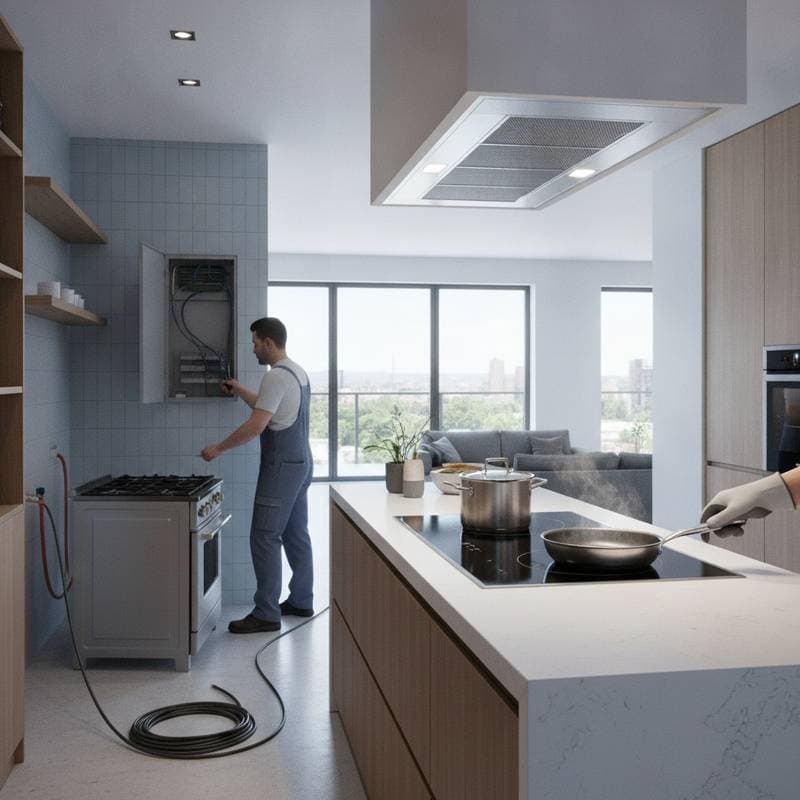
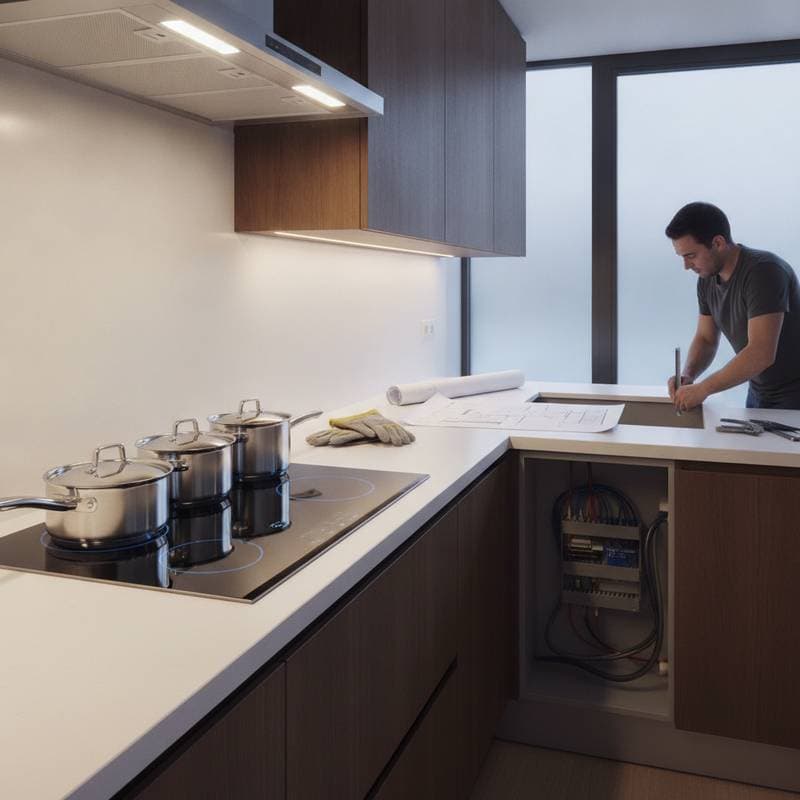
Induction retrofits transform kitchens with faster heating, precise control, and safer, cleaner cooking. This guide covers electrical planning, countertop fit, cookware compatibility, and ventilation to help homeowners complete a successful upgrade.
Gas stove bans are reshaping home kitchens, but you are not forced to give up great cooking. Learn why cities are restricting gas, how induction offers faster, cleaner performance, what conversions cost, and how rebates, safety steps, and smart planning can make your switch smooth, efficient, and future-ready.
Gas stove regulations accelerate the move to induction cooktops. Learn the practical benefits, equipment choices, and transition steps for modern kitchens.
Induction kitchens meet tightening gas regulations while delivering faster cooking, lower energy use, and simpler maintenance. Contractors recommend planning electrical upgrades early to protect resale value.
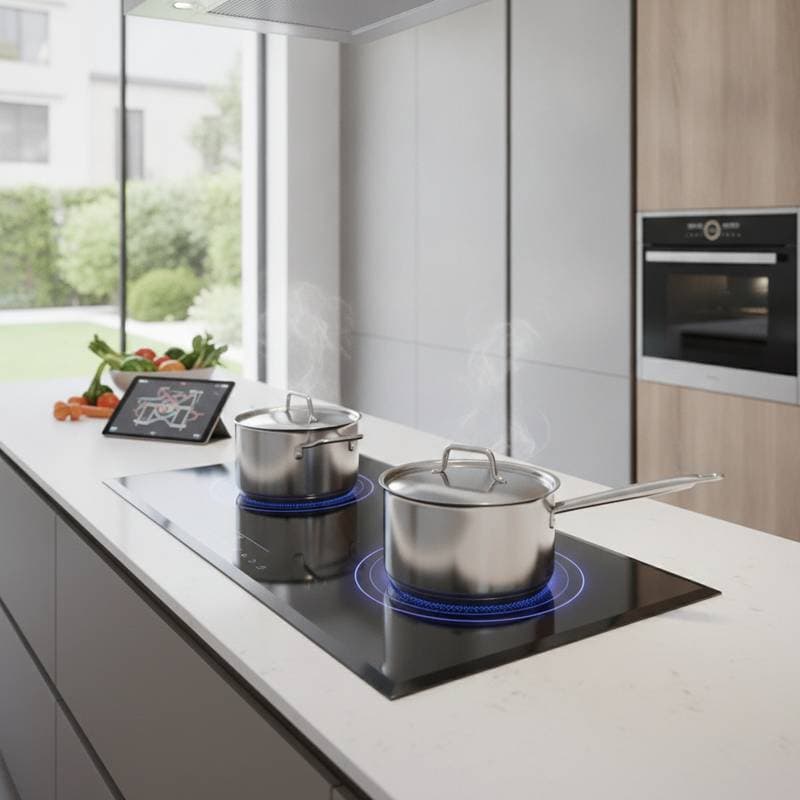
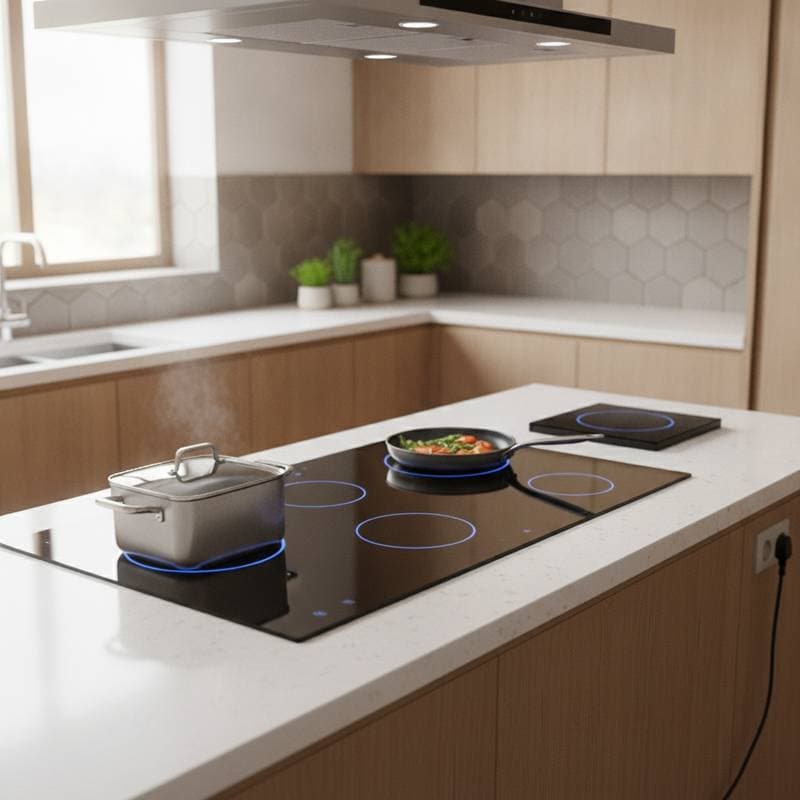
Flexible induction cooktops deliver adaptable cooking zones, precise temperature control, and energy-efficient performance that suits both compact and expansive kitchens.
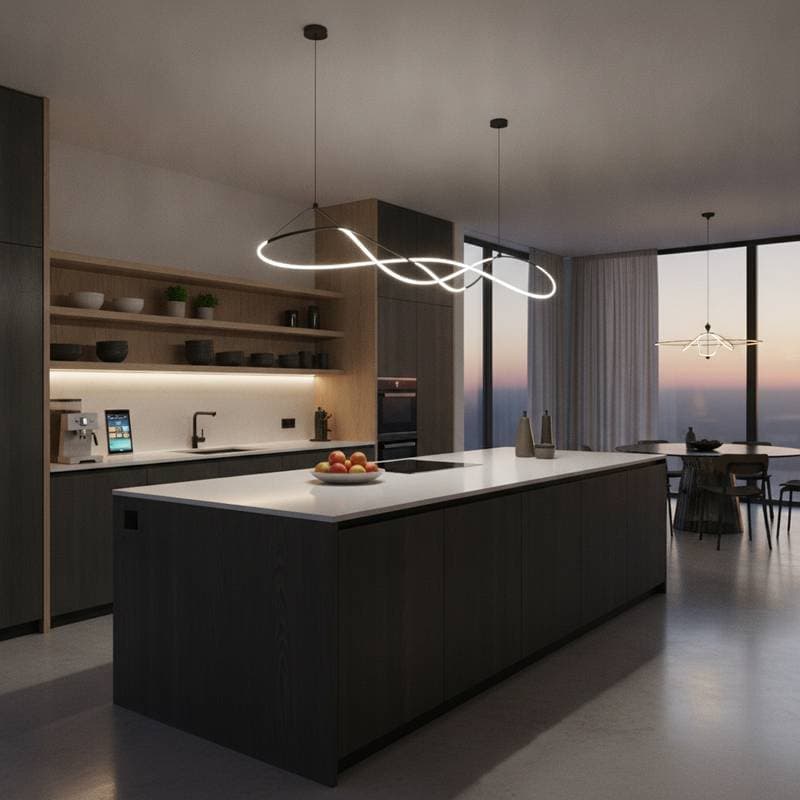
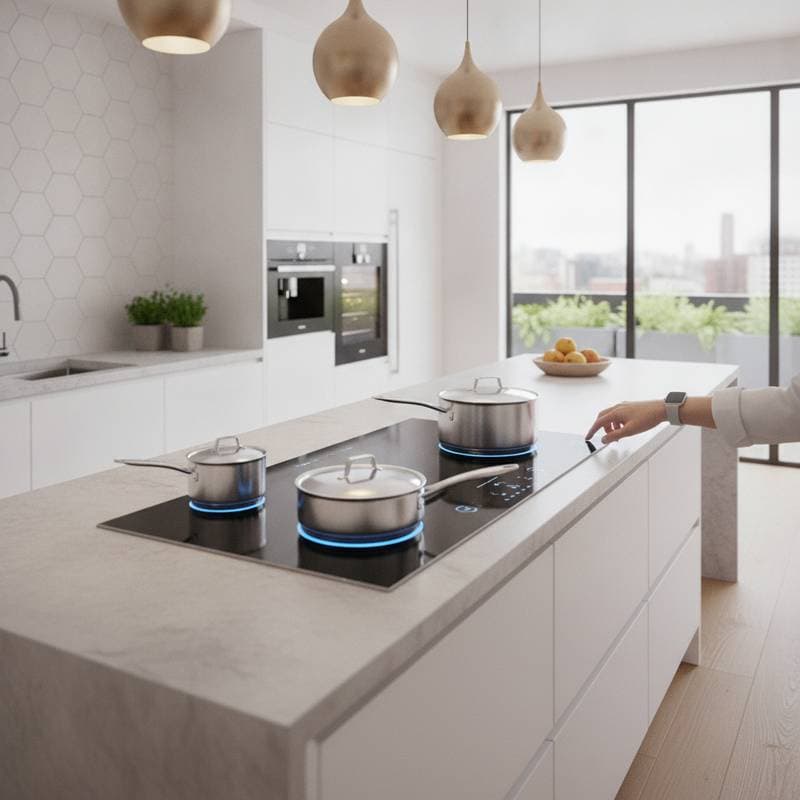
As gas bans reshape home design, the all-induction kitchen emerges as a symbol of modern sustainability and refined minimalism. Designers celebrate its silent precision, seamless surfaces, and flexible layouts. Beyond efficiency, it redefines cooking as an intentional, serene experience where technology, aesthetics, and environmental consciousness converge.
Induction cooking is transforming modern kitchens by offering speed, safety, and sleek design. It replaces traditional gas ranges with options available at every budget level. This technology delivers energy efficiency, cleaner air, and precise control.
Induction cooking offers faster response, higher energy efficiency, and improved safety. Homeowners achieve professional results with lower operating costs and easier maintenance.
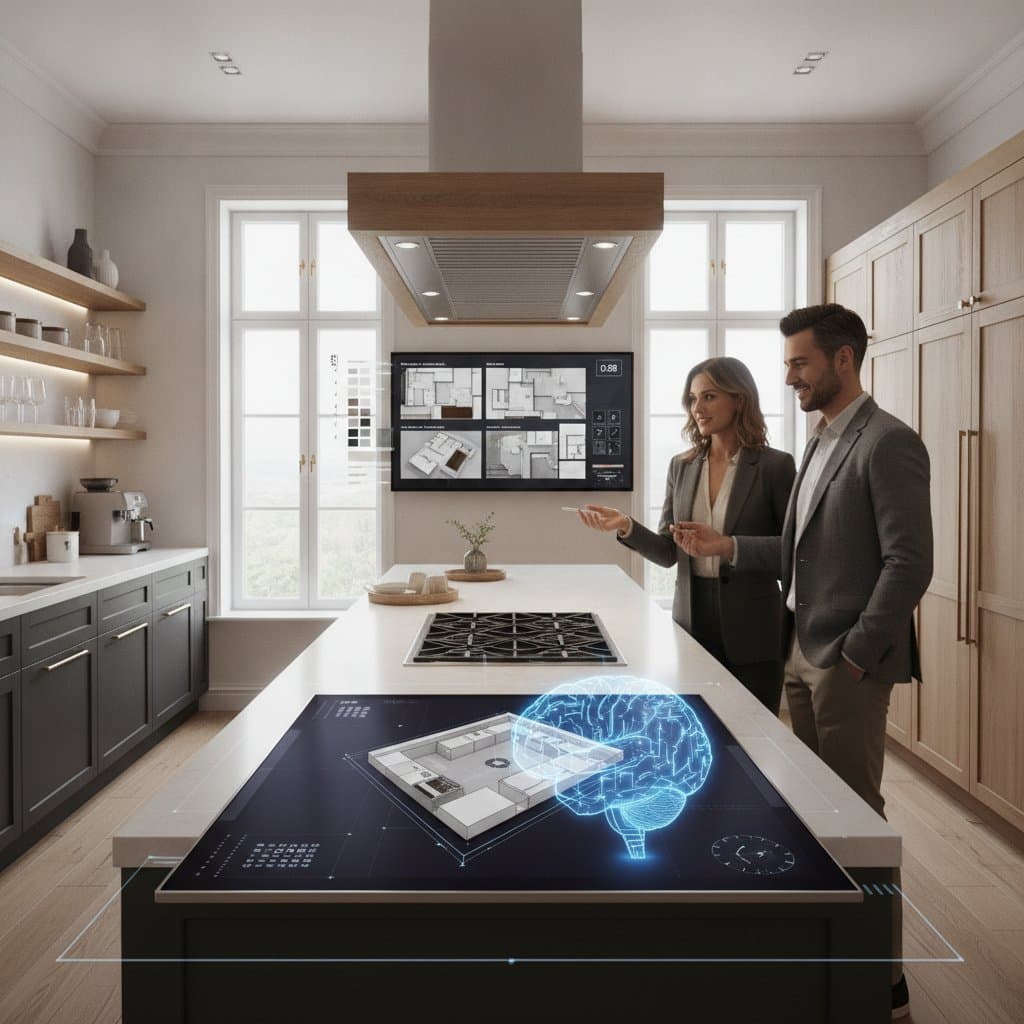
AI color matching transforms kitchen updates in 2026 by blending creativity with precision. Tools for palette generation, lighting simulation, and sustainable choices refine intuition for cohesive, personalized spaces.
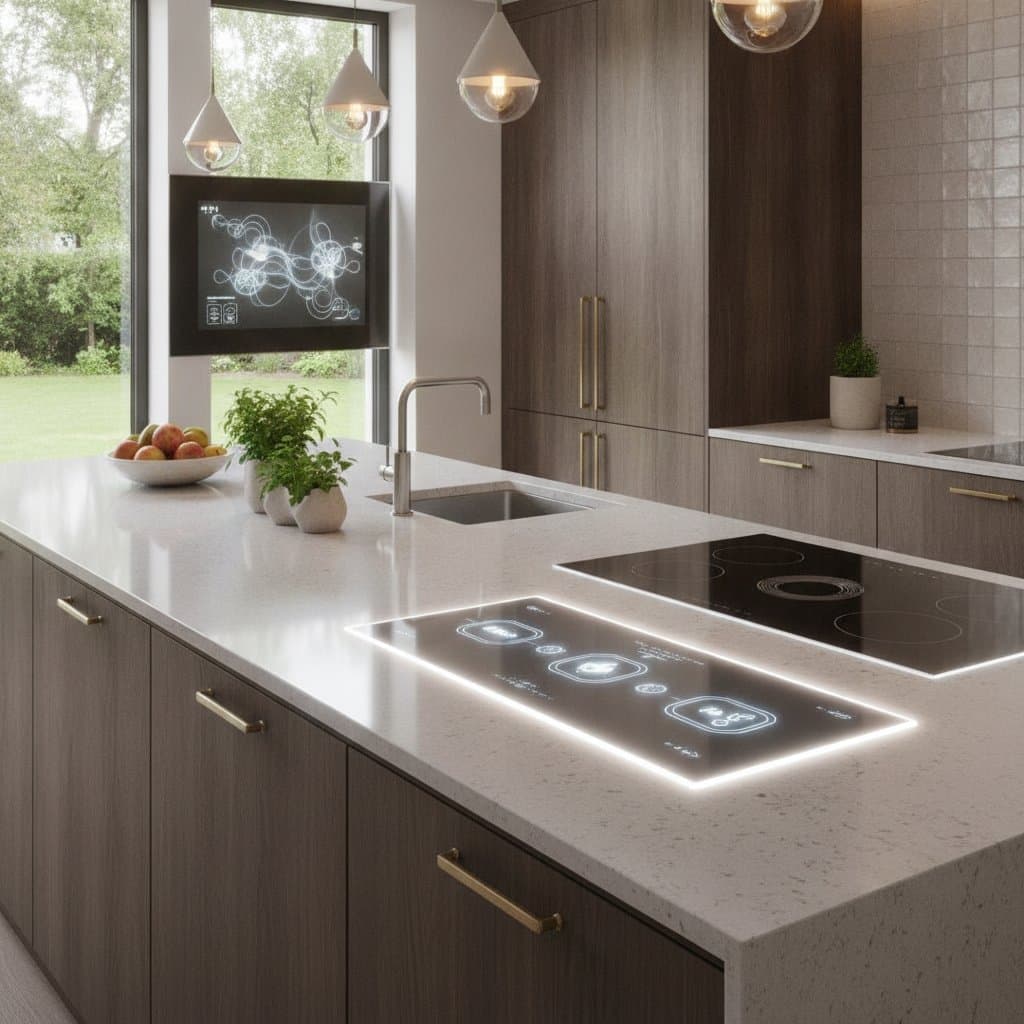
Induction cooktops bring exact heat control, energy efficiency, and minimalist surfaces to modern kitchens while improving air quality and safety.
Gas stove regulations prompt more homeowners to choose induction cooking for improved safety, air quality, and energy performance. Strategic planning addresses wiring needs and appliance selection ahead of 2026 deadlines.
Aged brass fixtures add evolving patina, tactile warmth, and lasting to contemporary kitchens. Designers choose unlacquered brass for its ability to improve with use while complementing diverse materials and styles.
Induction cooking redefines kitchen remodels for 2026 through safety, efficiency, and sustainability. As cities move away from gas, homeowners upgrade electrical systems, ventilation, and cookware to adopt this cleaner technology. Faster heating, cooler kitchens, and easier cleanup deliver modern performance worth considering.
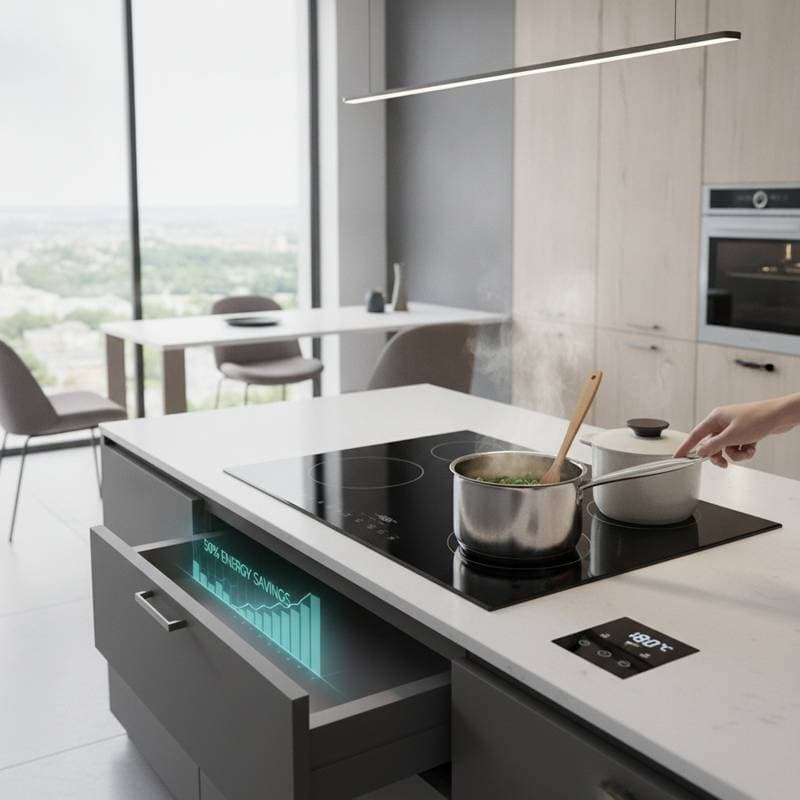
Induction cooktops are transforming kitchens by heating up to twice as fast as gas, while delivering cleaner air, enhanced safety, and superior efficiency. Homeowners and builders increasingly adopt all-electric setups for sustainable, high-performance cooking. This guide covers performance advantages, cost considerations, and a step-by-step transition plan, highlighting 2025 as the pivotal year for gas-free homes.
Induction cooking redefines modern kitchens by combining minimalist design, improved air quality, and energy efficiency. By 2026, professionals and homeowners adopt this technology for sustainable, serene cooking experiences that blend innovation with tradition.
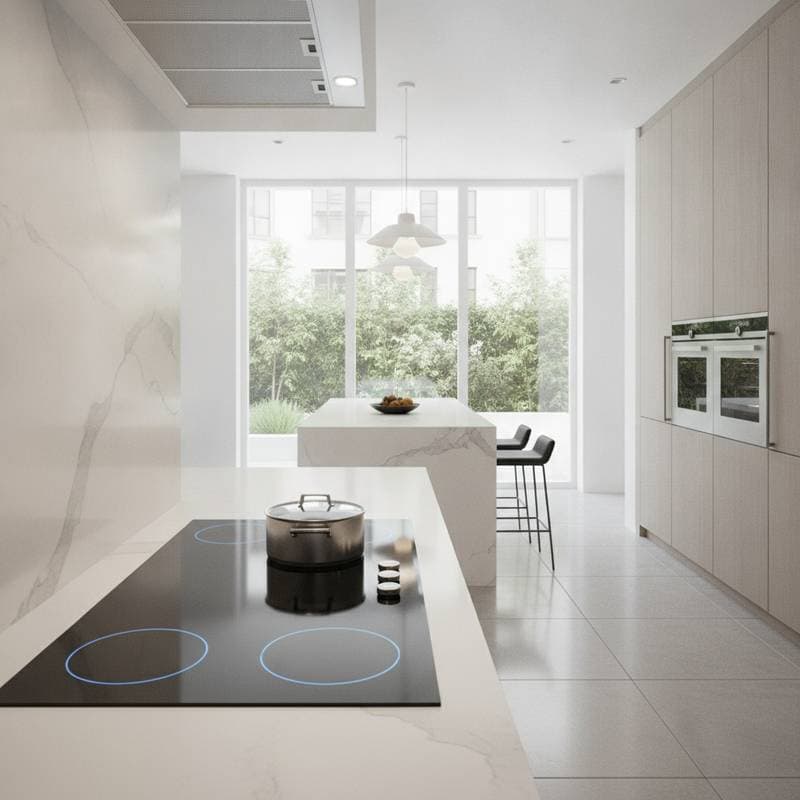
Invisible induction cooktops embed heating zones into countertops, combining sleek aesthetics with efficient, safe cooking. Ideal for modern spaces, they use materials like sintered stone for seamless integration, though installation complexity and costs warrant careful planning for this premium upgrade.
Savvy homeowners increasingly opt for induction cooking over traditional gas ranges, embracing precision, safety, and energy savings. This innovative method heats cookware directly via electromagnetic fields, boosting indoor air quality, cutting utility expenses, and supporting modern kitchen aesthetics. With simplified ventilation and strategic electrical upgrades, induction delivers enduring benefits and a forward-thinking transformation for contemporary homes.