Why Induction Replaces Gas in Kitchen Remodels
As a remodeling contractor, I observe a consistent transition from gas to induction cooking in kitchen renovations. This shift stems from considerations of safety, performance, and enduring practicality. Numerous homeowners initiate remodels with the assumption that gas stoves represent the benchmark for professional cooking. Upon learning the advantages of induction, they adjust their selections prior to finalizing cabinet orders.
Challenges of Retaining Gas Systems
Many individuals retain gas stoves due to familiarity. They appreciate the visible flame and perceive it as enabling precise temperature management. However, gas installations involve concealed expenses and hazards that surface prominently during renovation projects.
-
Ventilation Requirements
Proper ventilation proves essential for every gas range. Inadequate systems allow carbon monoxide, nitrogen dioxide, and additional combustion byproducts to accumulate within the kitchen. Numerous older residences feature venting configurations that fail to comply with contemporary safety regulations. Enhancing these systems introduces substantial expenses and logistical challenges. -
Risks Associated with Combustion
Open flames positioned near curtains, wooden cabinetry, or grease-laden cookware pose persistent fire threats. I have managed multiple replacements of damaged ranges following minor flare-ups that resulted in scorch marks on walls and countertops. -
Costs of Gas Line Installation
Extending a new gas line or refurbishing an existing one incurs significant expenditure. In established neighborhoods, inconsistencies in gas pressure frequently necessitate the addition of regulators or replacement piping. Induction appliances, by contrast, require solely a dedicated electrical circuit. -
Inefficiencies in Energy Use
Gas cooking dissipates a considerable amount of heat. Much of this energy dissipates beyond the cookware confines, elevating kitchen temperatures and compelling air conditioning units to operate more intensively. Induction technology directs virtually all energy straight to the cookware.
When presented with these concerns in documented form, homeowners begin to regard induction as a sensible enhancement rather than an extravagance.
Distinct Features of Induction Technology
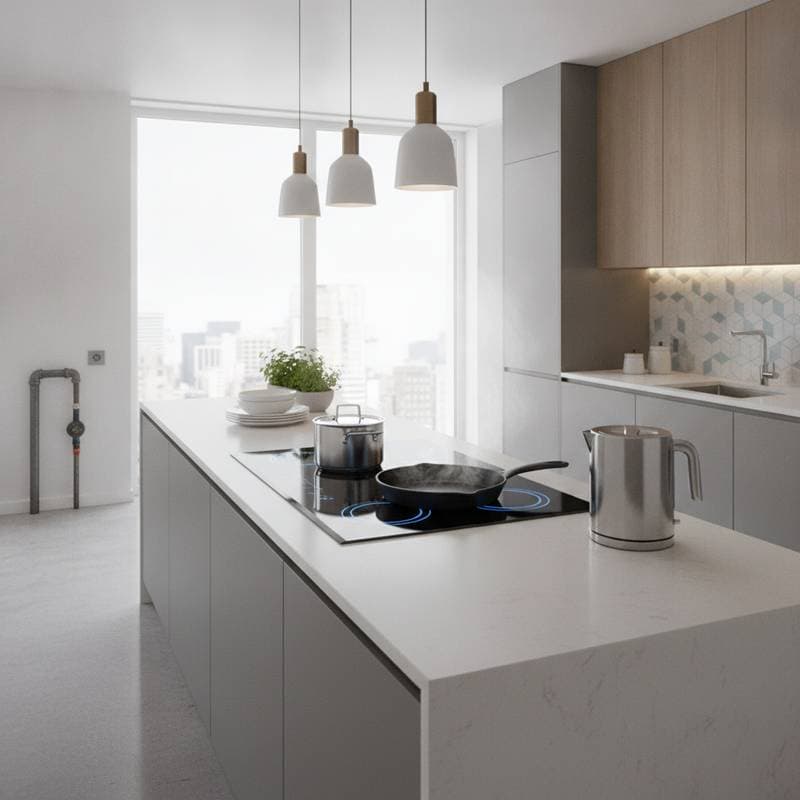
Induction cooking employs electromagnetic fields to generate heat directly within compatible cookware, bypassing the need to warm the cooktop surface. This approach yields rapid response, moderated kitchen temperatures, and simplified maintenance. Based on my professional encounters, clients who experiment with induction seldom revert to gas alternatives.
-
Superior Efficiency and Responsiveness
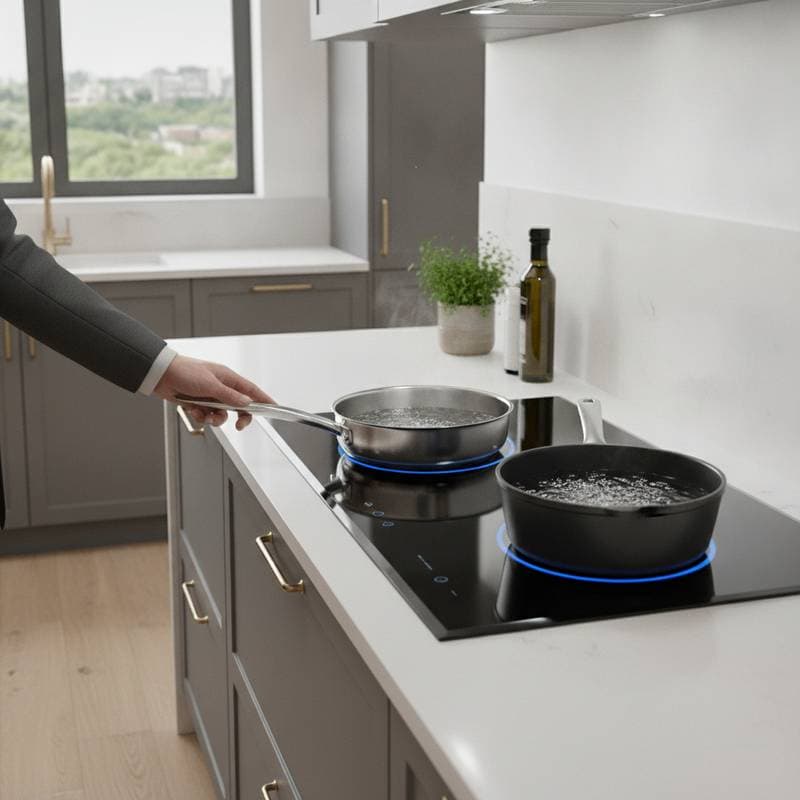
Water reaches a boil in nearly half the time compared to gas methods. Adjustments to temperature occur without delay. Cooks achieve reliable results, whether searing proteins or delicately melting chocolate. -
Enhanced Kitchen Comfort
The cooktop surface remains comparatively cool during operation, preventing unnecessary warming of the surrounding area. In designs featuring open layouts, this attribute contributes meaningfully to overall comfort levels. -
Effortless Cleaning Procedures
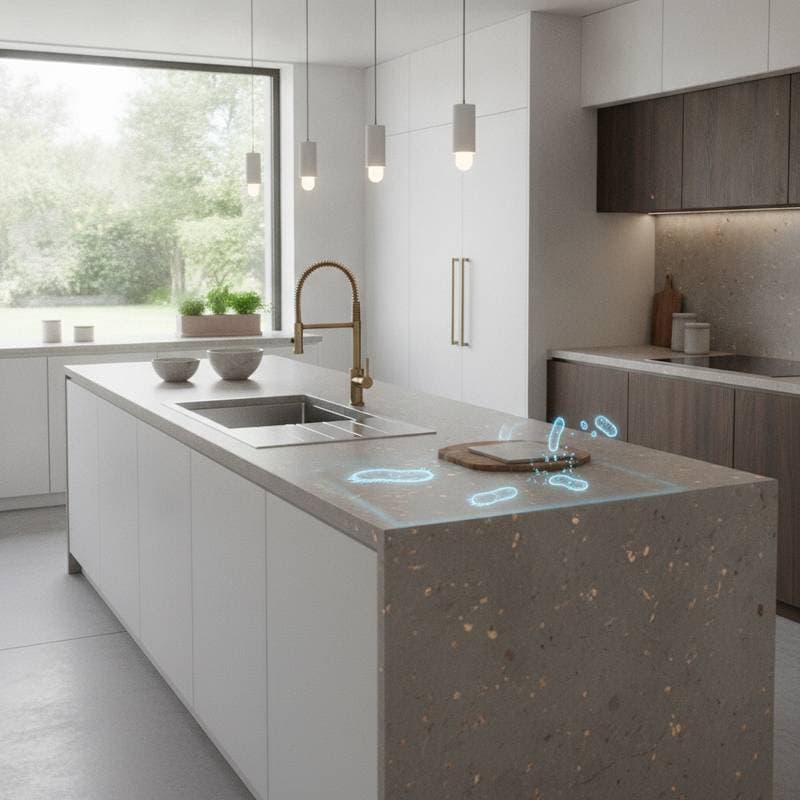
Induction surfaces lack grates, burners, or crevices where residues accumulate. Spilled materials wipe away with ease, as they do not adhere to heated elements. -
Enhanced Safety Measures
The surface cools rapidly upon removal of cookware. Absence of flames eliminates gas leakage possibilities, and extensive ventilation becomes unnecessary.
Navigating the Transition to Induction
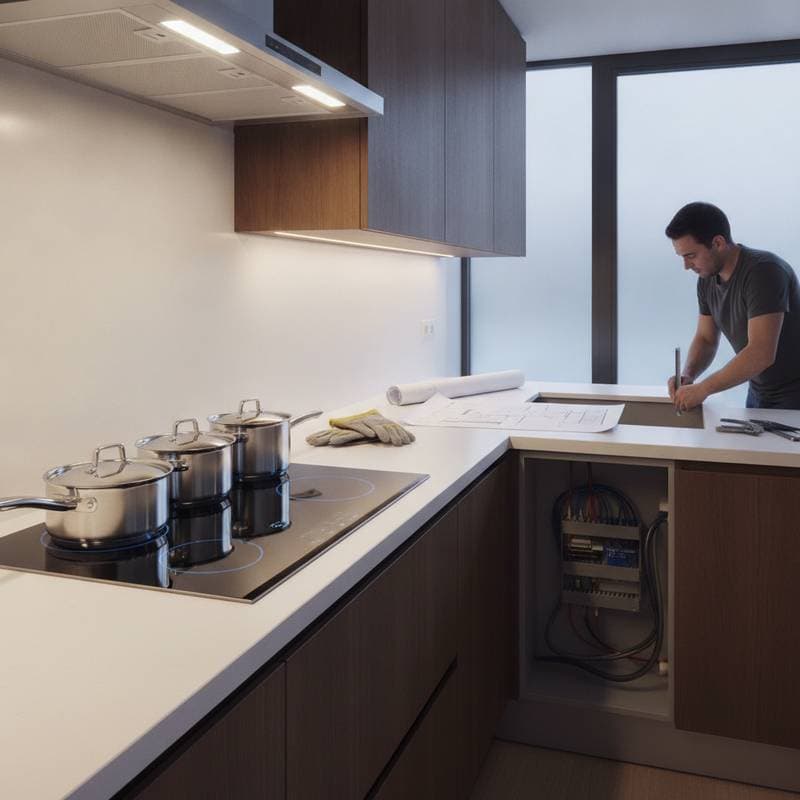
Incorporating induction during a kitchen overhaul demands careful foresight. Electrical infrastructure and service panel capabilities must accommodate the increased demand. Residences with dated electrical setups often possess constrained capacity, making early evaluation crucial to avert project interruptions.
-
Electrical Infrastructure Needs
Typical induction ranges operate on 240-volt circuits, akin to those for electric ovens or dryers. A qualified electrician must assess the panel prior to proceeding. Occasionally, installation of a subpanel or service upgrade becomes required. -
Compatibility with Cookware
Induction functions exclusively with ferromagnetic materials. Common options such as stainless steel and cast iron generally perform adequately, whereas pure aluminum or copper requires specialized bases. Homeowners verify suitability by applying a magnet to the pan base; adhesion confirms compatibility. -
Integration with Layout Elements
Induction units frequently install flush with countertops, demanding exact measurements. Collaboration among cabinet fabricators and countertop specialists ensures seamless alignment and adequate airflow. -
Compliance with Permits and Inspections
Electrical modifications typically mandate permits. Certain jurisdictions insist on confirmation that discontinued gas lines receive secure capping. Initiating these processes promptly mitigates potential delays.
Outcomes from Actual Installations
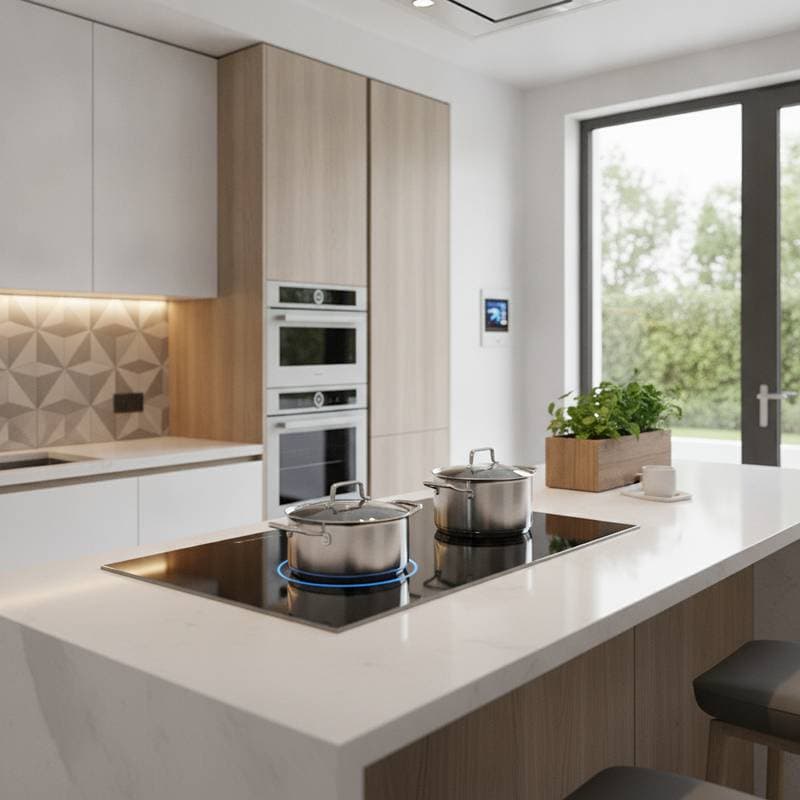
In a recent undertaking, a client substituted a 36-inch gas cooktop with a contemporary induction model amid a comprehensive kitchen renovation. The existing vent hood proved inadequate and excessively loud. Our team eliminated the ducting and fitted a recirculating hood equipped with a charcoal filter. Outcomes included reduced noise levels, decreased energy consumption, and superior air purity. The homeowner reported relief from concerns regarding children contacting heated surfaces or inhaling combustion residues.
Another initiative addressed an aged residence where the gas line traversed a crawl space featuring deteriorated connections. Remediation expenses exceeded those for a new electrical circuit. Opting for induction spared the owner extended plumbing disruptions.
Enduring Advantages of Induction
Contractors appreciate how induction streamlines construction and upkeep processes. It obviates gas-related permits, minimizes inspection requirements, and eliminates needs for combustion air intake. Homeowners reap ongoing rewards post-renovation.
-
Reduced Operational Expenses
Induction delivers equivalent cooking outcomes with diminished energy input. These savings accumulate over years of use. -
Elevated Indoor Air Quality
Removal of combustion sources eradicates a primary contributor to indoor contaminants. This improvement benefits households with young children or individuals prone to respiratory conditions. -
Alignment with Forward-Thinking Design
As regulations increasingly favor electric appliances, induction-equipped kitchens conform to evolving standards. Such preparations bolster property resale appeal and regulatory adherence. -
Simplified Maintenance Access
Induction appliances incorporate modular parts amenable to replacement without cabinet disassembly. Service professionals favor this configuration for its accessibility.
Strategies for a Seamless Upgrade
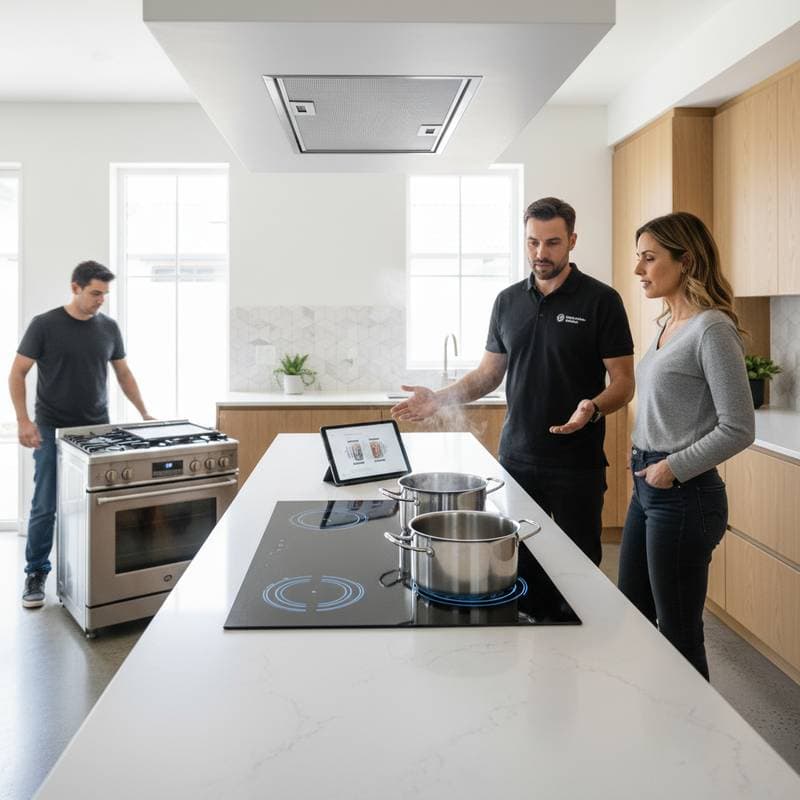
Homeowners embarking on kitchen renovations benefit from resolving the gas-versus-induction decision at the outset. Consult with contractors regarding electrical capabilities before procuring appliances. Verify cookware suitability and allocate funds for necessary substitutions. Request interaction with a demonstration model to inform selections on layout and usability.
Professional insights reveal that the responsiveness, precision, and hygiene of induction foster lasting satisfaction. It delivers culinary expertise devoid of gas-related perils or inefficiencies. Renovation timelines provide ideal windows to enhance both aesthetics and security.