Why Induction Cooktops Surpass Gas Ranges in Today's Kitchens
Many homeowners appreciate the traditional appeal of gas ranges, yet induction cooktops have gained significant traction in recent years. If you consider a kitchen upgrade, evaluate whether induction aligns with your needs for performance, safety, and efficiency. The evidence points to induction as a superior option for contemporary cooking demands.
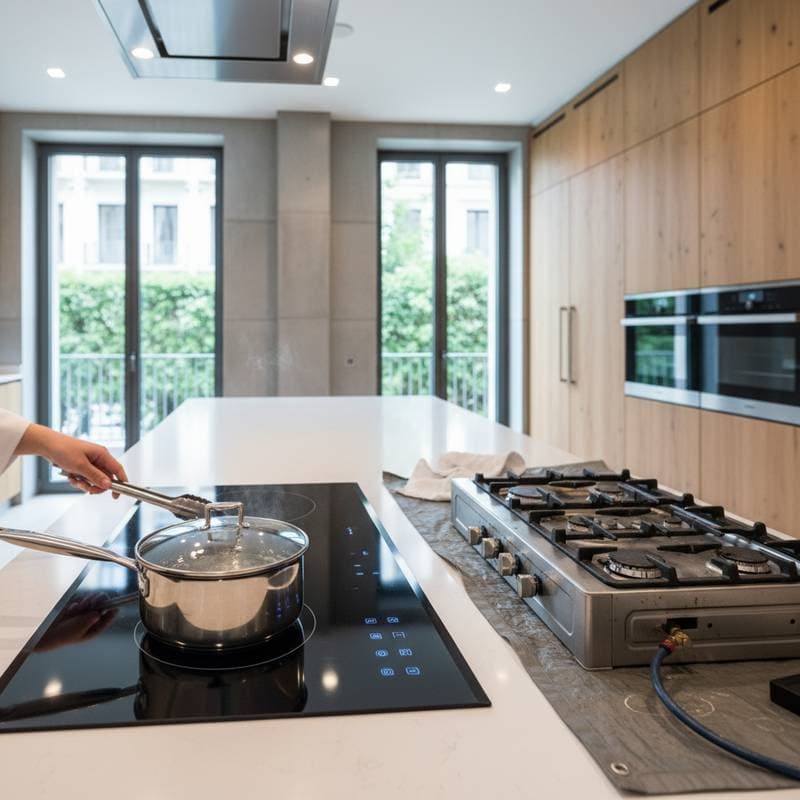
Gas ranges have served as a staple for dedicated cooks for decades. However, advancements in induction technology have redefined expectations for home kitchens. This method provides rapid heating, cleaner functionality, and precise temperature management without the drawbacks of open flames or residual heat. The following sections detail how induction excels over gas and outline essential considerations for the transition.
How Induction Technology Functions
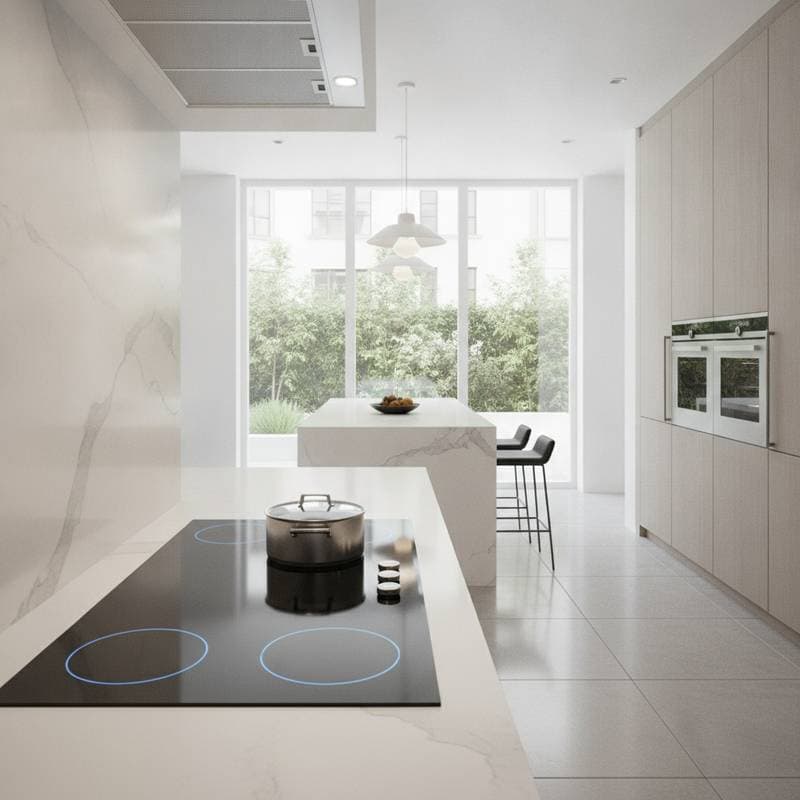
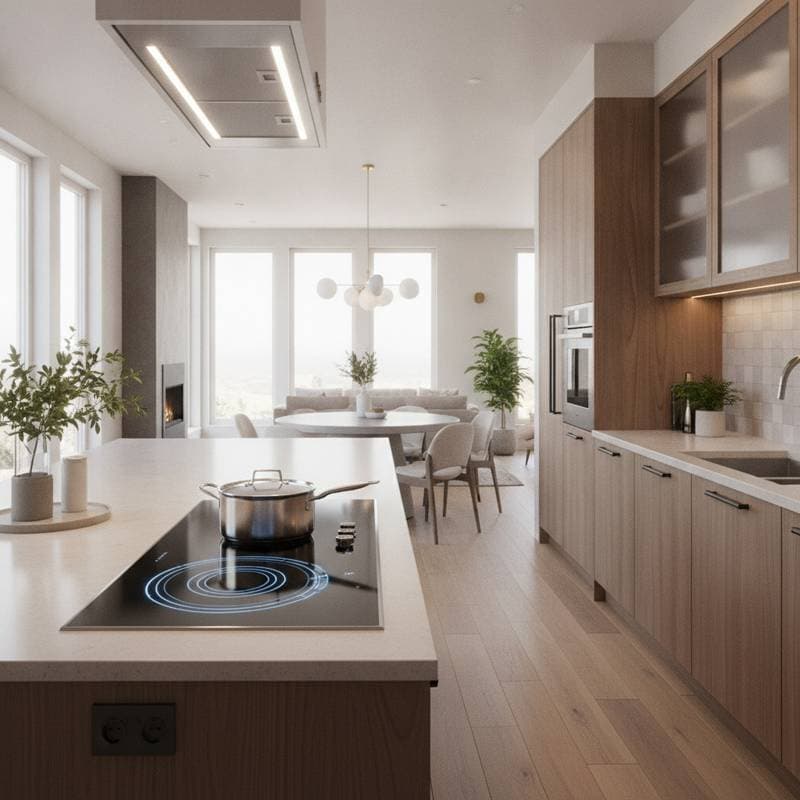
Induction cooking employs electromagnetic fields to generate heat directly within compatible cookware. When a ferromagnetic pot or pan contacts the cooktop surface, the oscillating magnetic field induces electrical currents in the metal, producing heat at the molecular level. This process keeps the cooktop surface below 100 degrees Fahrenheit in most cases, minimizing burn hazards and maintaining a cooler kitchen environment.
In contrast, gas cooking relies on combustion to produce a flame that indirectly heats the cookware. This approach dissipates a substantial portion of energy into the surrounding air and emits byproducts such as carbon monoxide and nitrogen oxides. Although the visible flame offers a sense of control for some users, the inefficiency and potential health risks make it less ideal for modern households.
Primary Benefits of Induction Compared to Gas
1. Rapid Heating and Accurate Control
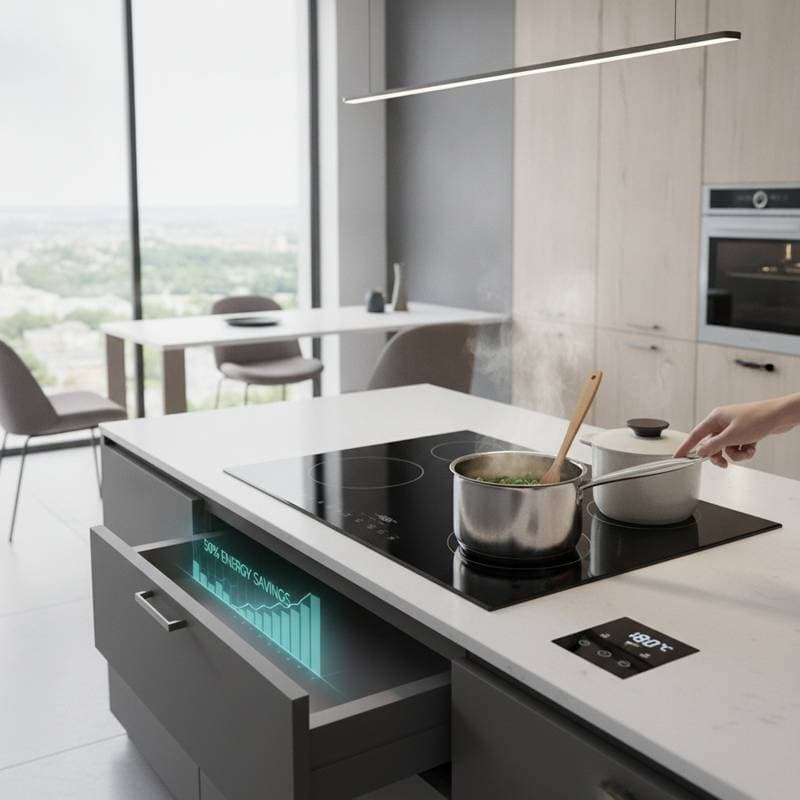
Induction cooktops achieve boiling points in as little as 90 seconds for a quart of water, compared to three to five minutes on a gas burner. Temperature adjustments take effect immediately, allowing precise simmering for tasks like reducing sauces or preparing custards without the lag time inherent in gas flames. This responsiveness prevents common issues such as scorching or uneven cooking, enhancing overall culinary results.
2. Superior Energy Efficiency
Induction systems convert 85 to 90 percent of electrical energy into usable cooking heat, far exceeding the 30 to 40 percent efficiency of gas stoves. The remainder of gas energy often vents unused through the hood or radiates outward, contributing to higher utility costs. For a household cooking daily, this efficiency can reduce annual energy expenses by 20 to 30 percent, depending on local rates.
3. Enhanced Safety Features
The cool-to-touch surface of induction cooktops significantly lowers the incidence of accidental burns, particularly in homes with young children or elderly residents. Without open flames, risks of fire ignition from spills or nearby combustibles diminish. Additionally, the automatic shutoff feature deactivates power when cookware is lifted, providing an extra safeguard against unattended pots.
4. Simplified Maintenance and Hygiene
Gas ranges accumulate grease, soot, and food residues on grates and burners, requiring disassembly for thorough cleaning. Induction surfaces, typically smooth ceramic glass, allow spills to be wiped away with a soft cloth and mild cleaner while the surface remains lukewarm. This design eliminates baked-on messes and reduces cleaning time to under five minutes per session.
5. Improved Indoor Air Quality and Sustainability
Research indicates that gas combustion contributes to indoor pollution levels comparable to secondhand smoke in some scenarios. Induction avoids these emissions entirely, fostering healthier air circulation and potentially alleviating respiratory concerns. From an environmental perspective, the technology aligns with reduced carbon footprints, as electricity from renewable sources becomes more prevalent, supporting eco-conscious home improvements.
Essential Considerations for the Transition
Cookware Compatibility Assessment
Induction demands cookware with a magnetic base to interact with the electromagnetic field. Perform a quick test by attaching a refrigerator magnet to the pan's base; adhesion confirms suitability. Materials like cast iron and certain stainless steels excel, while non-magnetic options such as pure aluminum or glass require replacement with induction-ready alternatives, often available in sets starting at 150 dollars.
Electrical Infrastructure Needs
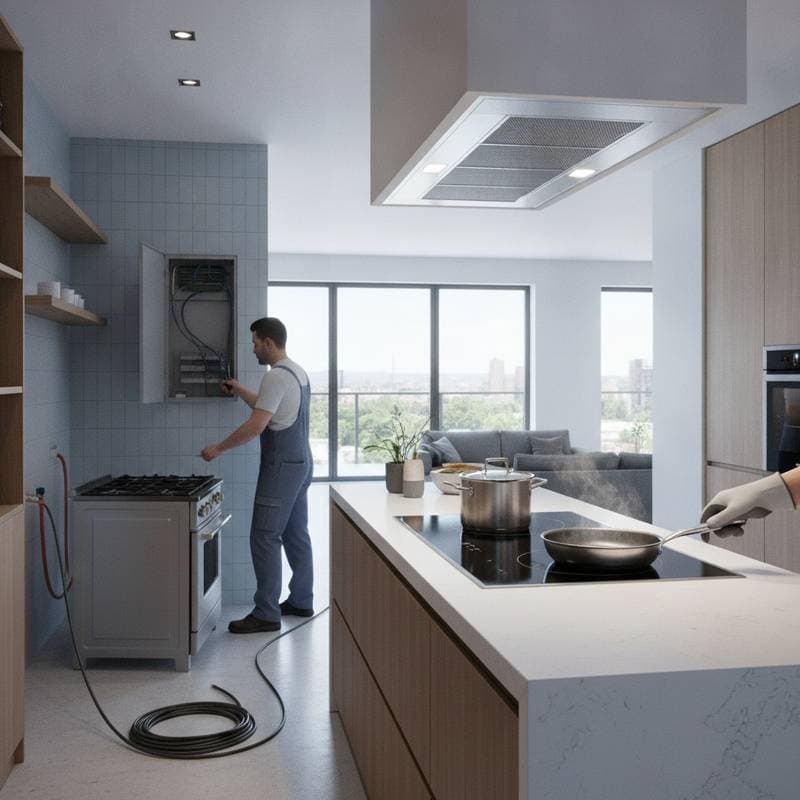
Most induction models require a 240-volt dedicated circuit to operate at full capacity. If your current setup supports a gas range, consult an electrician to evaluate and install the necessary wiring and outlet. Costs for this modification typically range from 200 to 600 dollars, influenced by factors like distance from the electrical panel and wall access.
Upfront Cost Analysis
Entry-level induction cooktops begin at approximately 1,000 dollars, with high-end models reaching 3,000 dollars or more for features like Wi-Fi connectivity and multiple zones. Gas ranges offer broader affordability, starting at 700 dollars, yet induction's durability—often lasting 10 to 15 years with minimal repairs—offsets the initial premium through sustained savings.
Installation Process and Regulations
Converting from gas involves safely capping the fuel line to prevent leaks, a task reserved for certified professionals. Electricians handle the power integration simultaneously in many cases. Local building codes may require a permit for such alterations, which can be obtained through your contractor for a nominal fee, ensuring compliance and warranty validity.
Realizing Lasting Advantages in Daily Use
Users transitioning to induction report kitchens that operate with less noise from fans, maintain comfortable temperatures year-round, and demand minimal upkeep. The uniform heat application elevates dish quality, from seared steaks to perfectly poached eggs, while the seamless integration with contemporary aesthetics enhances visual appeal.
In comprehensive remodels, induction cooktops complement quartz or granite counters without visible seams, promoting a streamlined workspace. These elements combine to deliver not just functional upgrades but tangible improvements in lifestyle efficiency.
Steps to Implement Your Upgrade
Begin by inspecting your home's electrical capacity through a professional audit to confirm compatibility. Inventory your cookware and identify gaps, prioritizing versatile pieces like Dutch ovens for multi-use. Finally, engage qualified technicians for gas disconnection and electrical installation to guarantee a secure and efficient setup.
Adopting induction represents a forward-thinking investment in kitchen functionality. It promotes healthier living spaces, streamlines routines, and yields economic benefits over time, positioning your home for enduring culinary excellence.