Ditching Gas for Induction: Kitchen Rewiring Costs Revealed
Homeowners considering a switch from gas to induction cooking often face one primary concern: the cost of rewiring the kitchen. This transition offers enhanced efficiency, precise control, and improved safety. The following sections outline the essential factors, cost breakdowns, and strategies to manage expenses effectively.
Why Induction Cooking Gains Popularity
Induction technology uses electromagnetic fields to heat cookware directly, resulting in faster cooking times and reduced energy consumption. Unlike gas stoves, induction surfaces remain cool to the touch, minimizing burn risks and simplifying cleanup. Local regulations in many areas now promote electric appliances to meet environmental standards, driving widespread adoption among homeowners.
Professionals who install these systems frequently observe the precision that induction provides. For instance, water reaches a boil in approximately 90 seconds on high settings, compared to several minutes on gas. This efficiency not only saves time but also lowers utility bills over time.
Understanding the Rewiring Process
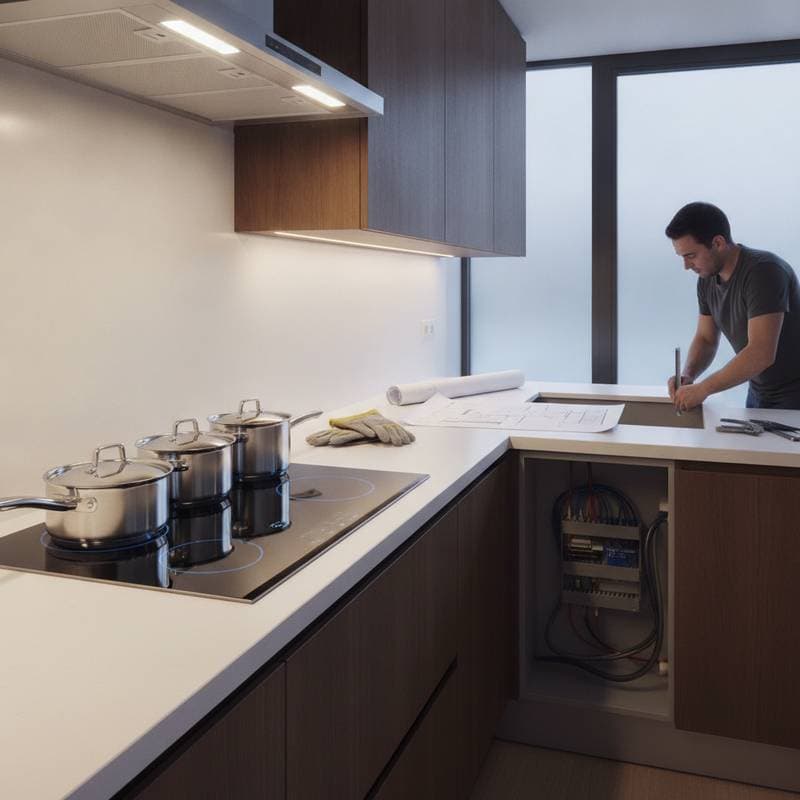
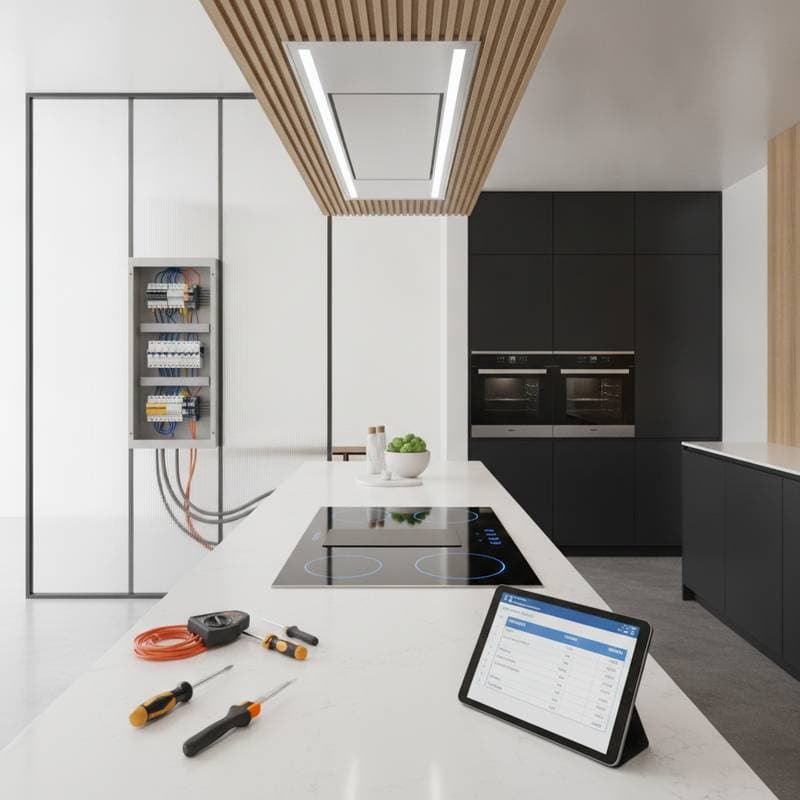
Switching to an induction cooktop typically requires electrical modifications if the kitchen relies on gas. Most models demand a dedicated 240-volt circuit to support their power needs, which range from 30 to 50 amps depending on the unit size. An electrician must assess the existing setup, including wire gauge, breaker capacity, and overall panel load.
The process involves several steps. First, the electrician evaluates the current electrical service to determine if it can accommodate the additional demand. If necessary, they install new wiring from the panel to the cooktop location, ensuring compliance with National Electrical Code standards. Grounding and GFCI protection add further layers of safety.
Common challenges include outdated panels from homes built before 1980, which may lack sufficient capacity. In such cases, a subpanel installation or full service upgrade becomes essential to prevent overloads and fire hazards.
Cost Breakdown for Rewiring Projects
Rewiring expenses vary based on the home's electrical infrastructure and the scope of work. Homeowners should obtain multiple quotes from licensed electricians to compare estimates accurately.
- Basic upgrades, where the existing panel supports the load, involve adding a new breaker and short-run wiring: $300 to $600.
- Moderate projects, including a full circuit installation through walls or ceilings: $800 to $1,500.
- Extensive overhauls, such as panel replacements or service entrance upgrades: $2,000 to $4,000 or more, especially in larger homes.
Additional factors influence pricing. Labor rates differ by region, with urban areas commanding 20 to 30 percent higher fees. Material costs, like copper wiring and arc-fault breakers, have risen due to supply chain issues, adding $100 to $300 per project. Permits and inspections, required in most jurisdictions, contribute another $100 to $250.
To illustrate, a standard 30-amp circuit installation in a 1,500-square-foot home might total $1,200, including two hours of labor at $125 per hour and $400 in materials. Homeowners can reduce costs by scheduling work during off-peak seasons, such as winter, when electrician availability increases.
Strategies to Minimize Rewiring Expenses
Budget constraints should not deter the switch to induction. Several approaches allow homeowners to proceed affordably while maintaining safety.
- Opt for portable induction burners: These units connect to standard 120-volt outlets and suit apartments or temporary setups. Models with two burners cost $100 to $200 and deliver performance comparable to built-in options.
- Phase the conversion: Begin with a single-burner installation if the panel allows, then expand as finances permit. This method spreads costs over time and tests compatibility.
- Leverage existing infrastructure: An electrician can verify if a nearby circuit, such as one for an oven, can be repurposed with modifications. This saves on new wiring runs.
- Handle non-electrical tasks personally: Tasks like removing cabinets or patching surfaces fall outside licensed work, potentially cutting labor by 10 to 20 percent.
Real-world examples demonstrate success. In one renovation, a family integrated a portable unit into an island counter, achieving a professional look for under $400 total. Such adaptations highlight the flexibility of induction for varied budgets.
Selecting and Hiring an Electrician
Choosing the right professional ensures a seamless installation. Seek electricians certified by the National Electrical Contractors Association, with documented experience in kitchen appliance upgrades. Request references from similar projects and verify licensing through state boards.
During consultations, provide details about the cooktop model and kitchen layout. Insist on a detailed load calculation, which analyzes amperage draws from all appliances to confirm system capacity. This step prevents future issues like tripped breakers during peak usage.
For older homes, consider a comprehensive audit. Electricians often recommend upgrading to a 200-amp service if the current 100-amp setup proves inadequate, enhancing overall home safety and accommodating future needs like electric vehicle chargers.
Induction Cooktop Options Across Price Ranges
A wide selection of induction cooktops matches different preferences and budgets. Each category offers features like touch controls, simmer settings, and compatibility with magnetic cookware.
- Budget-friendly countertop models: Brands such as Duxtop provide single-burner units for $60 to $100, ideal for small spaces or supplemental cooking.
- Mid-tier built-in cooktops: Options from GE Profile and Samsung, priced at $1,000 to $1,800, include four burners and bridge zones for larger pans.
- High-end selections: Miele and Wolf deliver integrated designs starting at $2,500, with Wi-Fi connectivity for recipe integration and self-diagnostic tools.
When purchasing, confirm the unit's amperage requirements match the rewired circuit. Stainless steel or cast iron pots work best, as they respond to the magnetic field. Many manufacturers offer compatibility testers for under $20.
Benefits Realized After Installation
With rewiring complete, induction cooking transforms daily routines. Meals prepare quicker, with even heat distribution that reduces hot spots. The smooth glass surface wipes clean in seconds, eliminating the scrubbing associated with gas grates.
Energy savings accumulate rapidly. Induction units convert 84 percent of energy to heat, versus 40 percent for gas, potentially lowering annual bills by $50 to $100. Cooler kitchens during summer months improve comfort, particularly in warm climates.
Aesthetically, the flush installation creates a minimalist look. Pairing with LED task lighting elevates the space, increasing property value by up to 5 percent according to real estate analyses. Homeowners report heightened satisfaction from the responsive controls and reduced maintenance.
Planning Your Induction Transition
Embarking on a kitchen rewiring project requires careful preparation, but the rewards justify the effort. Consult local incentives, such as rebates for energy-efficient appliances, to offset costs. Partner with a qualified electrician to develop a customized plan that aligns with your home's needs and financial goals. This upgrade not only modernizes cooking but also positions the kitchen for long-term efficiency and appeal.