Electric Kitchens: The Rise of Induction After Gas Bans
Homeowners across various regions observe neighbors replacing gas ranges with modern electric cooktops. Individuals often contemplate whether such a change suits their own households. As municipalities impose restrictions on new gas connections, the decision transcends mere taste and addresses essential aspects of functionality, security, and long-term culinary practices.
This evolution influences kitchen dynamics profoundly. The adoption of electric and induction systems gains momentum due to their cleanliness, safety features, and operational efficiency. The following sections outline strategies for managing this transition and evaluating the suitability of an induction setup for specific residences.
The Growing Appeal of Induction Cooking
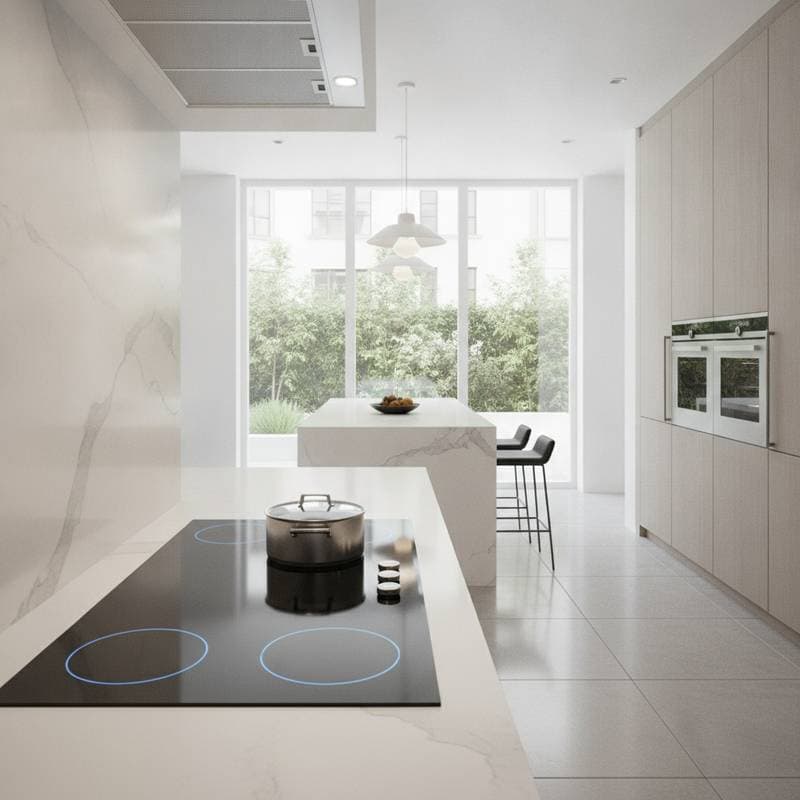
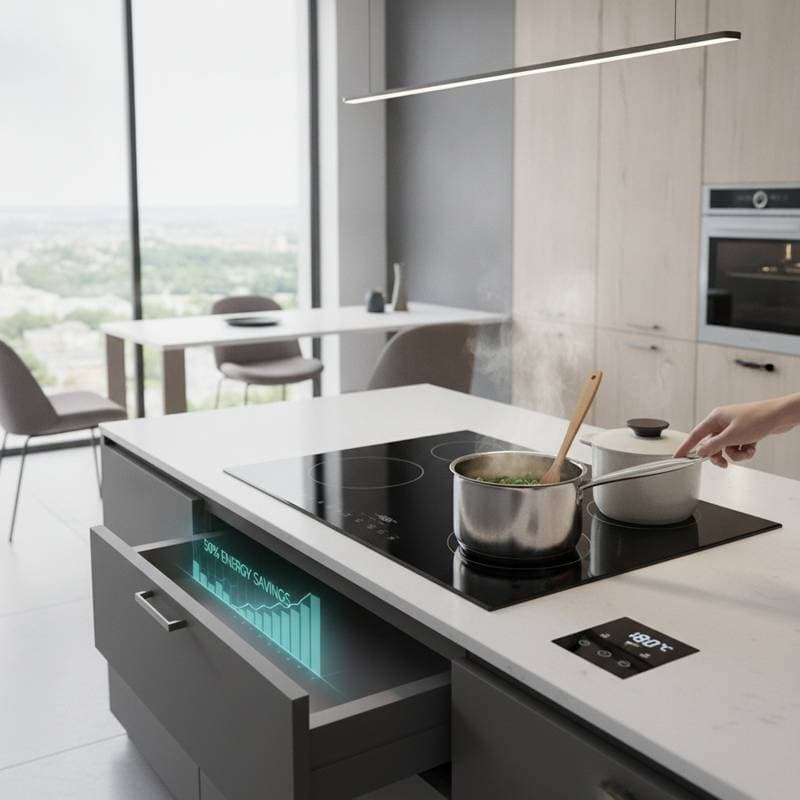
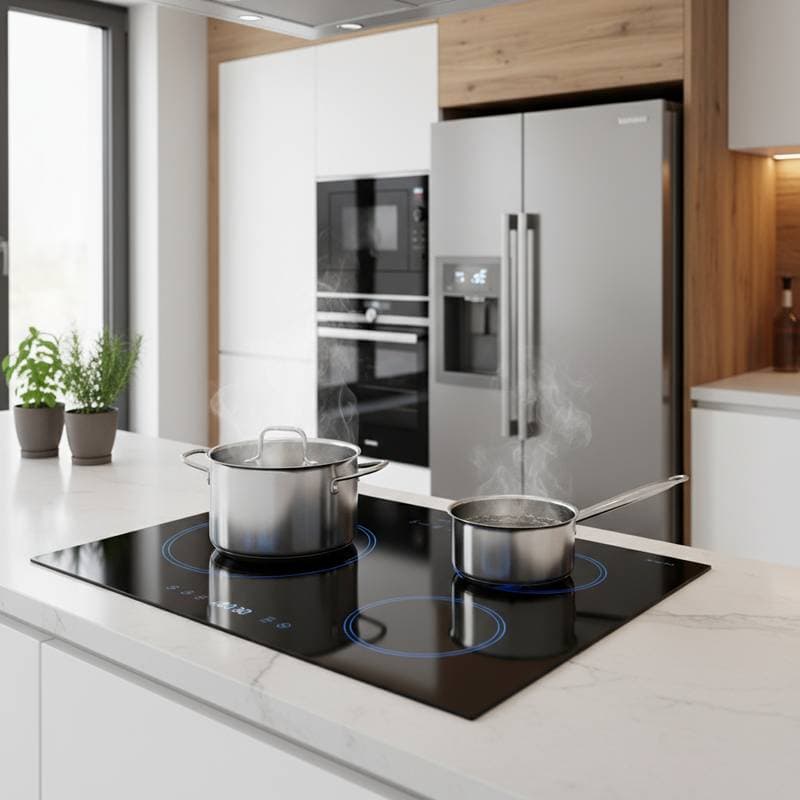
Induction technology employs electromagnetic fields to generate heat directly within compatible cookware, bypassing the need to warm the cooktop surface. This method delivers rapid heating, precise temperature regulation, and minimal energy loss. For instance, a standard pot of water boils in approximately four minutes on induction, compared to eight minutes on a conventional gas burner.
The cooktop surface remains cooler during operation, typically below 150 degrees Fahrenheit in non-active zones, which reduces the likelihood of burns or fire hazards from unattended spills. Homeowners value this direct heating approach for its responsiveness, allowing seamless adjustments from simmer to sear without delays.
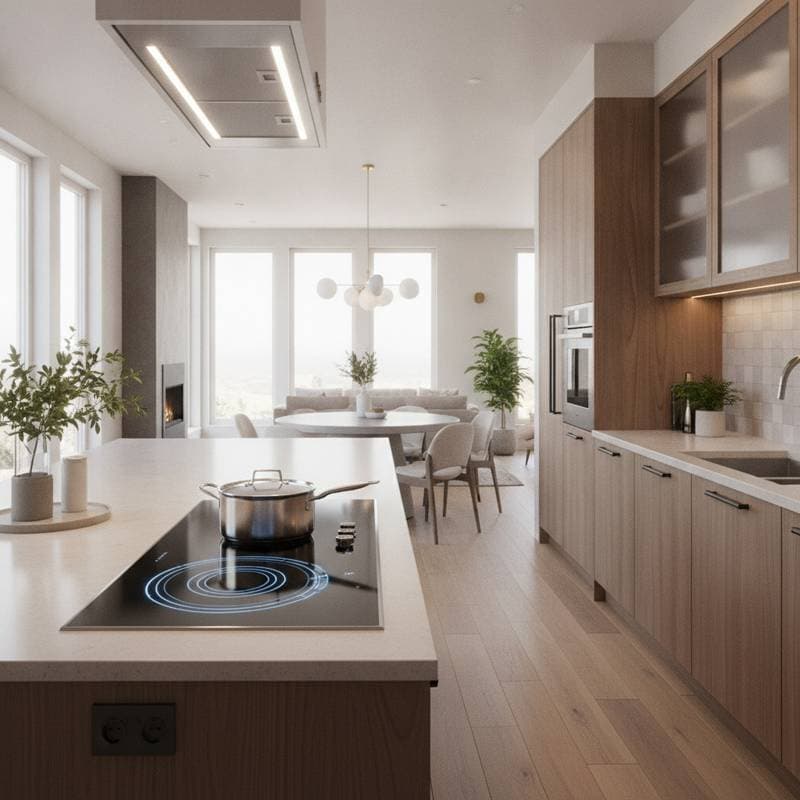
Beyond performance, induction enhances indoor environments. Traditional gas appliances emit nitrogen dioxide, carbon monoxide, and particulate matter, which contribute to respiratory issues in enclosed spaces. Induction cooktops produce no combustion byproducts, ensuring purer air and eliminating the need for constant exhaust fan usage.
Steps Involved in Converting to Induction
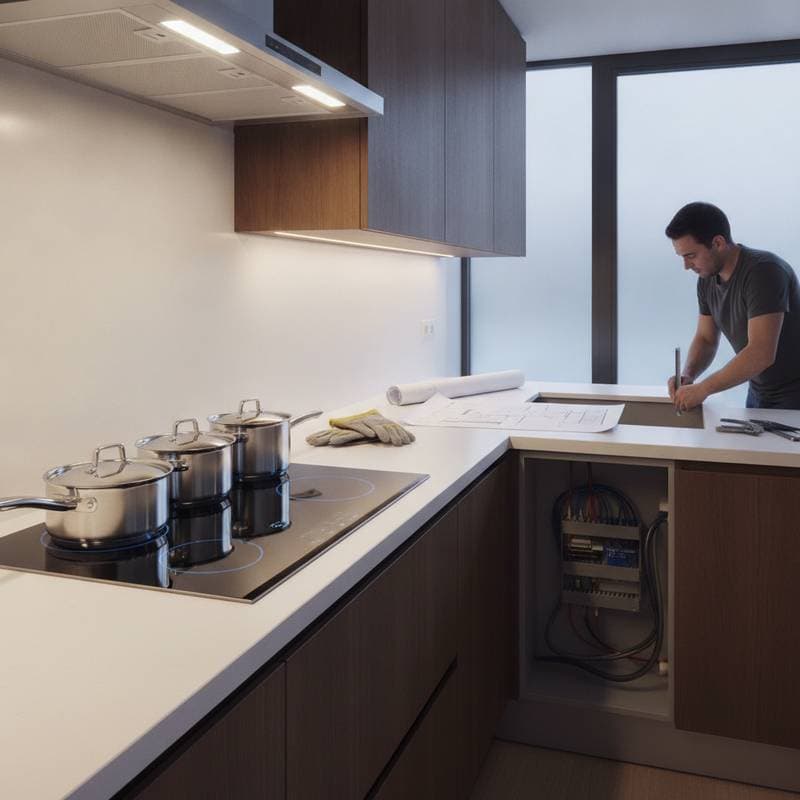
Transitioning from gas to induction requires coordinated professional services beyond mere appliance replacement. Professionals handle each phase to ensure compliance and safety. The process typically unfolds as follows:
-
Electrical evaluation: Engage a certified electrician to inspect the home's electrical panel and determine capacity. Induction units generally require a dedicated 240-volt, 40- to 50-amp circuit, which may necessitate panel expansion in older homes.
-
Gas disconnection: A licensed plumber caps the existing gas line securely, preventing leaks and adhering to building codes. This step often includes pressure testing to verify integrity.
-
Installation and testing: After electrical upgrades, technicians install the induction range, connect it to the power source, and conduct operational tests. Calibration ensures even heating across all burners.
Additional considerations include ventilation adjustments, as induction reduces reliance on hoods, potentially lowering installation costs. Total expenses range from $1,500 to $4,000, influenced by wiring conditions, panel modifications, and regional labor rates. Budget an extra $500 to $1,000 for unforeseen upgrades in pre-1980s homes.
Analyzing Expenses and Efficiency
Initial investment in induction cooktops exceeds that of gas models. Premium induction ranges cost between $1,000 and $3,000, while comparable gas units fall in the $600 to $1,500 range. These figures account for features like touch controls, multiple burner sizes, and integrated timers.
Efficiency metrics justify the premium. Induction transfers over 84 percent of energy to the cookware, far surpassing gas's 32 to 40 percent, where much heat dissipates into the air. This results in utility savings of 20 to 30 percent on cooking costs annually for average households. Moreover, reduced ventilation needs cut maintenance expenses on filters and ducts.
In practical terms, chefs appreciate induction's immediacy. Heat levels change within seconds, ideal for techniques like deglazing or delicate sauces. Surfaces, often smooth glass-ceramic, simplify cleaning; residues wipe away without scrubbing baked-on residues common with gas flames.
Navigating Safety Protocols and Regulations
Electrical modifications in vintage properties demand permits to meet current standards. Consult local authorities early, as requirements differ by jurisdiction—some mandate arc-fault circuit interrupters for kitchen circuits. Induction systems rank among the safest options, with automatic shutoff if no ferromagnetic cookware detects presence.
This sensor technology prevents accidental activation; zones deactivate instantly upon removing a pan, minimizing risks for children or distracted cooks. Grounding and proper circuit sizing remain critical—overloaded wiring poses fire dangers. Always hire professionals certified in National Electrical Code compliance to avoid hazards.
Insurance providers sometimes offer discounts for induction installations due to lower fire and pollution risks. Document all work for potential claims or resale value enhancement.
Implementing Your Induction Upgrade
Timing an induction switch aligns well with kitchen renovations or appliance failures. Obtain detailed estimates from electricians and plumbers, specifying load calculations and material needs. Verify if your panel supports additional amperage or requires a subpanel addition.
Experience induction firsthand at appliance retailers. Select cookware like enameled cast iron or magnetic stainless steel for demos; non-compatible items, such as thin aluminum, require adapters or replacement. Test boiling times and heat distribution to confirm fit with your cooking style.
Adopting induction extends beyond regulatory compliance. It fosters healthier living spaces, optimizes energy consumption, and elevates culinary precision. Through meticulous preparation and expert involvement, an induction kitchen equips households for sustainable, enjoyable meal preparation over decades.