AI-Powered Color Matching for Home Design
Color serves as a fundamental element in interior design, shaping mood, style, and ambiance in any space. Homeowners previously relied on professional consultants to select ideal shades, a process that often incurred costs ranging from hundreds to thousands of dollars. Artificial intelligence now provides precise color matching capabilities, enabling individuals to achieve professional results affordably and independently.
Understanding AI Color Analysis
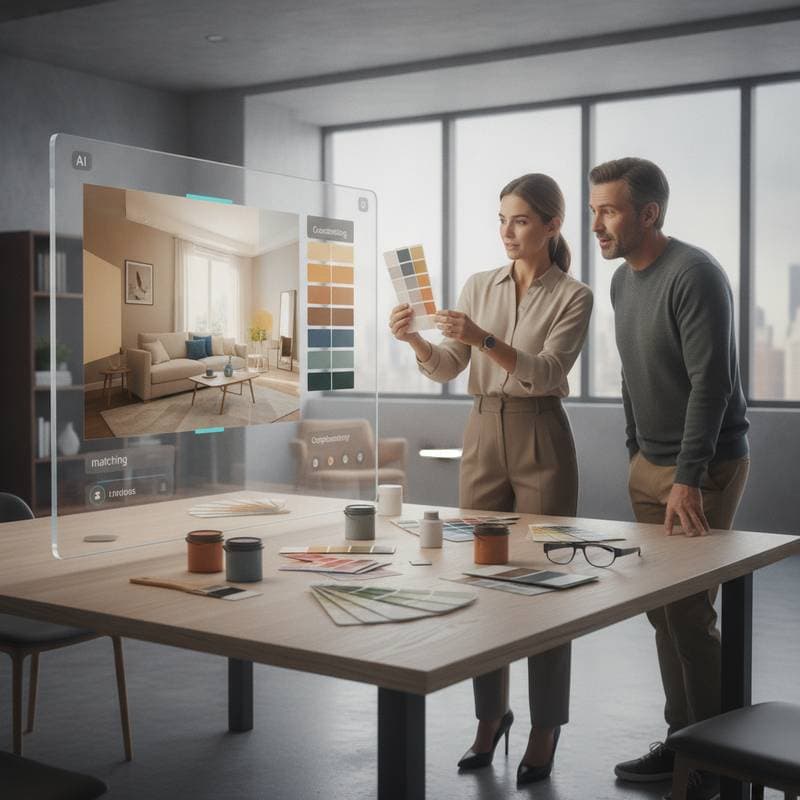
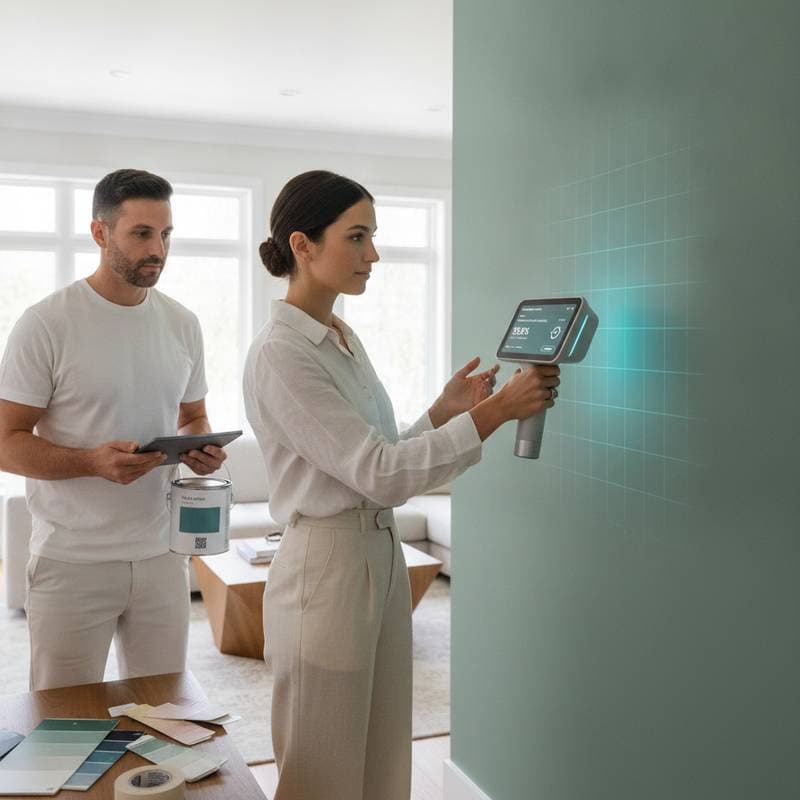
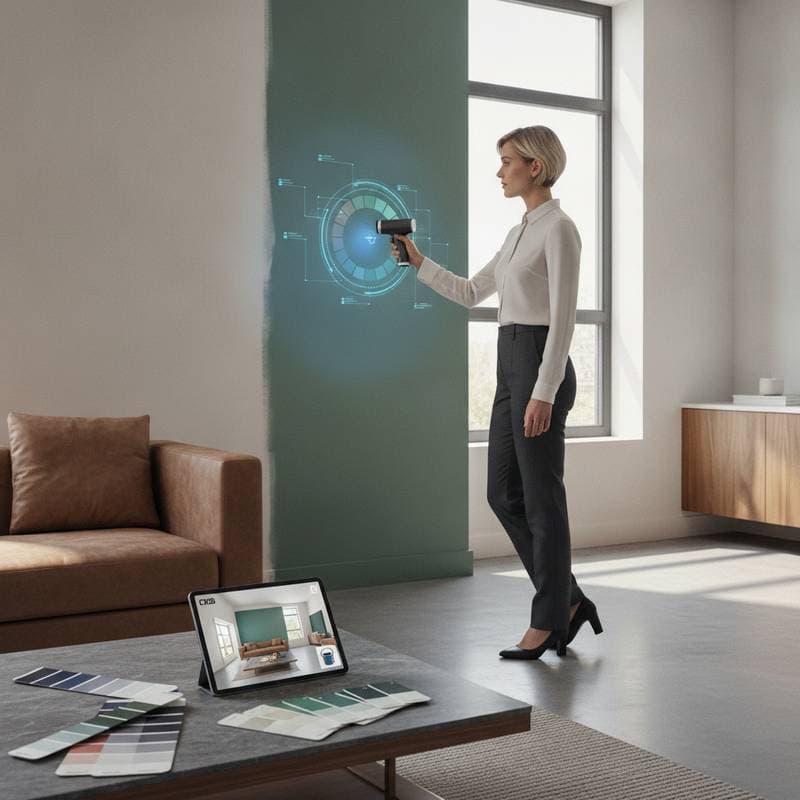
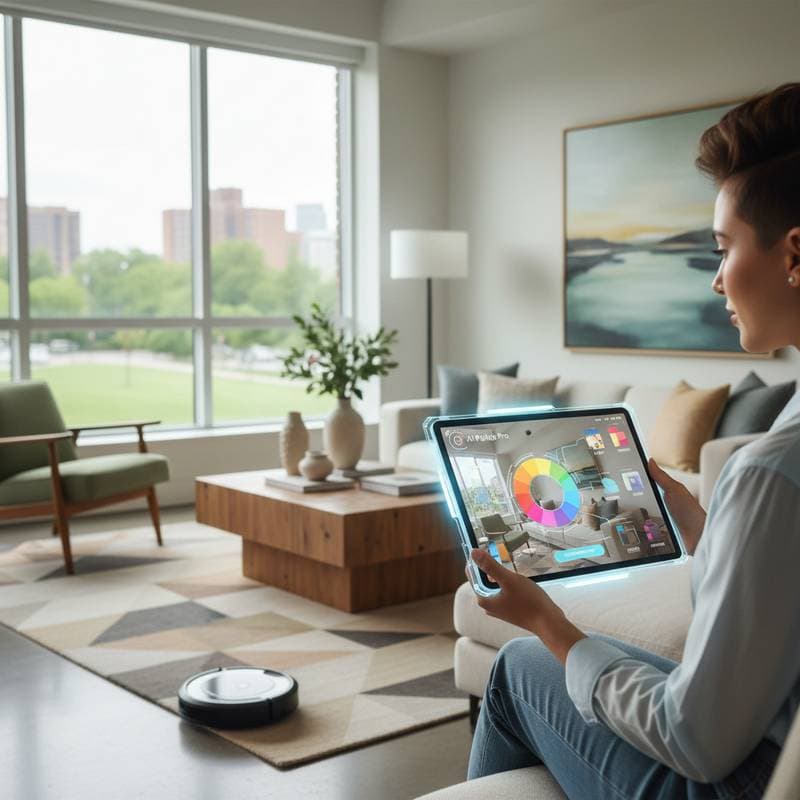
AI color tools allow users to capture images of their rooms and receive immediate recommendations for paint shades. These systems evaluate factors such as natural light variations, furniture colors, and floor tones to generate balanced palettes. The outcome delivers a customized selection that aligns with personal preferences and room conditions.
This technology democratizes design expertise. Individuals can bypass extensive consultations and physical sample testing. Applications range from complete renovations to minor updates, making high-quality design accessible across budgets.
The Mechanics of AI Visual Recognition
AI employs sophisticated image recognition algorithms to assess a room's elements. It detects subtle undertones in existing materials, measures contrast levels, and considers saturation to suggest harmonious colors. For a cozy atmosphere, the tool may recommend warm neutral tones that enhance wooden flooring. For vibrant spaces, it proposes bold accents that integrate with current decor.
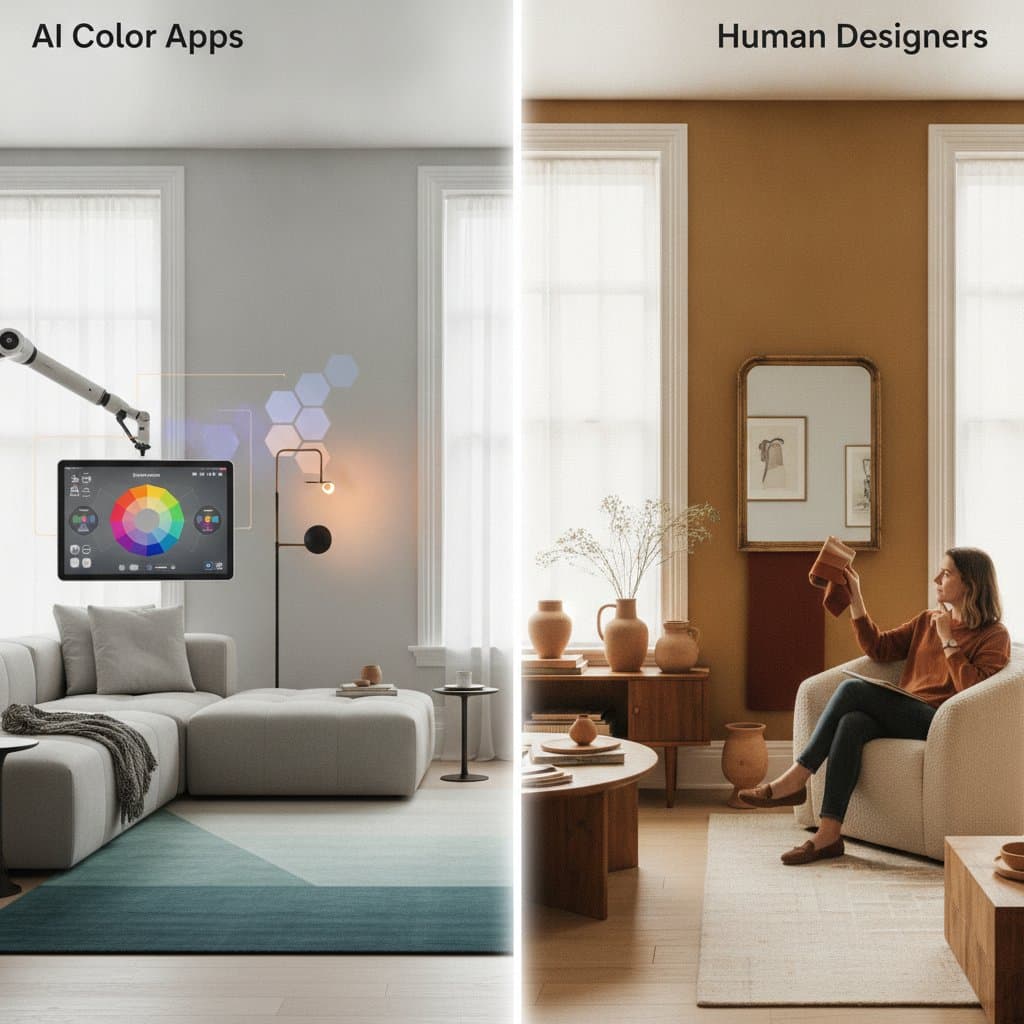
Professional designers traditionally spent hours on such evaluations. AI completes the process in moments, offering reliable insights directly through mobile devices or computers. This efficiency ensures consistent results without reliance on intuition alone.
Cost-Effective Design Solutions
AI color matching tools eliminate significant expenses associated with expert advice. Many applications operate at no cost or for a nominal fee, far below the price of paint samples. Users can simulate colors virtually on walls prior to purchase, avoiding costly errors.
Premium options integrate with specific paint brands for exact matches. This feature allows shoppers to select products confidently in stores. The following outlines usage by budget:
-
Zero to fifty dollars: Utilize free applications for room scans and palette generation. Ideal for renters or beginners exploring options.
-
Fifty to two hundred dollars: Select apps with brand-specific analysis. Suitable for projects involving multiple rooms.
-
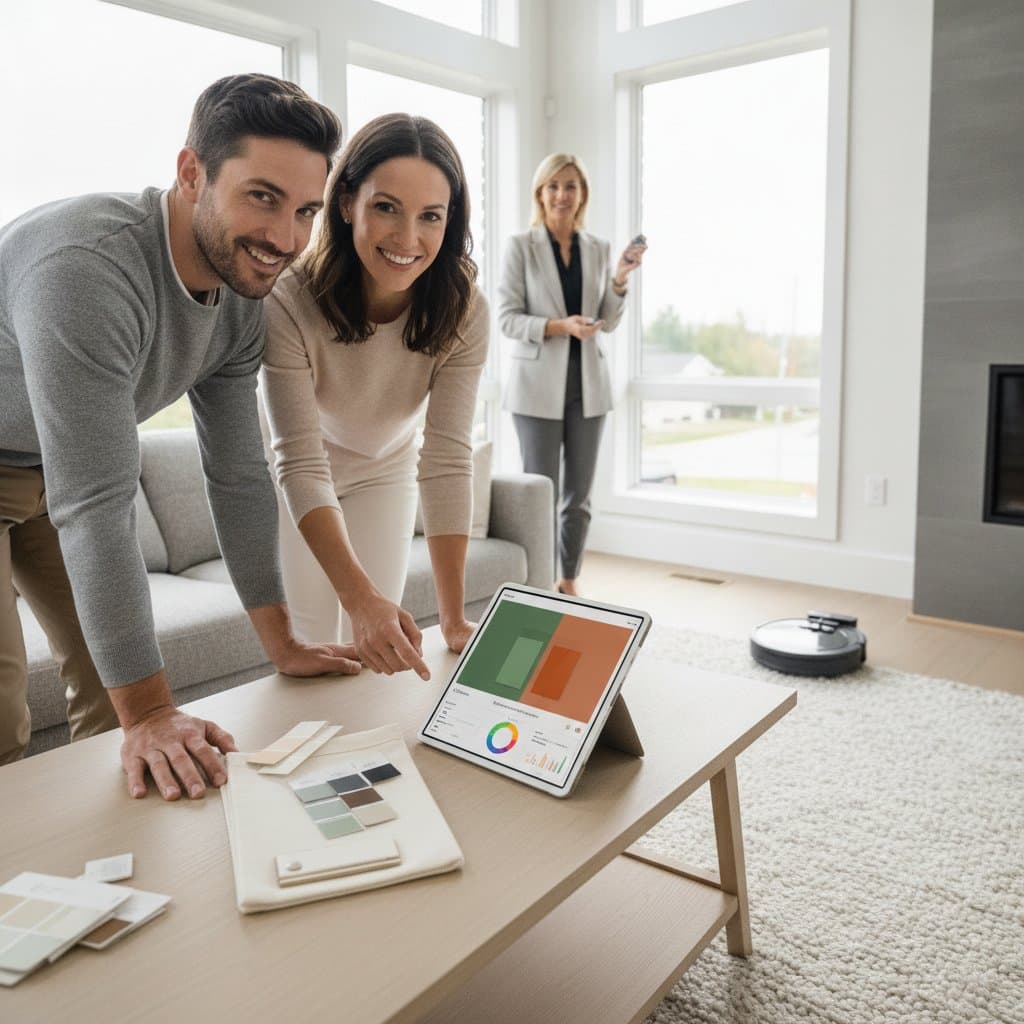
Two hundred dollars and above: Pair AI tools with virtual consultations from designers. This hybrid approach combines technology with human oversight.
These strategies maximize value while producing cohesive designs.
Personalization Through Machine Learning
AI adapts to user inputs over time, refining suggestions based on past selections. If preferences lean toward muted blues in neutrals, the system prioritizes similar options. For modern high-contrast aesthetics, it tailors recommendations accordingly.
This adaptive learning fosters confident choices. Users transition from trial-and-error to informed decisions. The process encourages exploration of personal style without overwhelming complexity.
Simulating Real-World Lighting Conditions
Lighting profoundly affects color perception, varying from morning to evening. AI tools model these changes, previewing how shades appear under different illuminations. This capability prevents surprises post-application.
In professional settings, such as set design, accurate color under varied lights proves essential. AI replicates these techniques for residential use, enabling users to anticipate outcomes. The result is a space that maintains intended aesthetics throughout the day.
Avoiding Common Color Pitfalls
Painting errors lead to unnecessary expenses and rework. AI previews eliminate such risks by displaying final appearances in context. Users gain assurance before committing resources.
Experimentation becomes viable with low stakes. Test unconventional combinations, such as dark trim against light walls or vivid accents in neutral areas. This approach turns potential mistakes into innovative solutions.
Opportunities for Design Professionals
AI enhances efficiency for designers and entrepreneurs. Firms can deliver remote consultations with visual aids, expanding client reach. Paint manufacturers integrate these tools to suggest complementary products.
Contractors benefit from digital previews, streamlining client approvals. The technology augments creativity, allowing focus on narrative and texture. Professionals gain time for high-level strategy.
Applying Your Selected Palette
Implementation begins with targeted applications. Start with an accent wall or removable samples to build confidence. Maintain color swatches for coordinating furnishings and updates.
AI ensures initial accuracy, supporting ongoing refinements. The final space reflects individual vision, achieved through accessible technology. This self-directed process cultivates lasting satisfaction in home design.