Japandi Wabi-Sabi: The Rise of Imperfect Beauty in 2026
Many people gaze at their living rooms and sense a disconnect. The surfaces gleam with cleanliness, the furniture aligns in perfect harmony, yet the space lacks warmth and character. This sensation of unease arises because such environments resemble showrooms more than personal sanctuaries. Homeowners increasingly recognize this issue and turn toward a design approach that honors imperfection and genuine expression: Japandi Wabi-Sabi.
The Challenge: Interiors That Lack Soul
Contemporary design frequently pursues impeccable finishes and balanced compositions. Clean lines and sparse arrangements yield an elegant appearance, but they often eliminate individual essence. A residence that achieves excessive perfection can evoke a chill, devoid of vitality. Japandi Wabi-Sabi counters this by promoting the allure of patina, varied textures, and organic elements. Imperfections become celebrated markers of experience and daily engagement, rather than concealed defects.
The Solution: Crafting Serenity and Depth
Japandi Wabi-Sabi integrates complementary philosophies from distinct cultures. Japandi fuses the restraint of Japanese minimalism with the coziness of Scandinavian functionality. Wabi-Sabi, rooted in Japanese aesthetics, reveres transience, irregularity, and sincerity. This combination yields an equilibrium that anchors inhabitants in tranquility and humanity. The style prioritizes artisanal quality over industrial replication, ease over sheen, and the organic over the synthetic.
The following guide outlines practical methods to incorporate these principles into any living space, emphasizing affordability and functionality.
Implementing Japandi Wabi-Sabi: A Practical Guide
1. Initiate with Decluttering and Intentional Selection
Examine possessions already present in the home before acquiring new items. Eliminate objects that lack utility or emotional resonance. Retain solely those elements that align with regular use or genuine appreciation. This process fosters serenity and paves the way for deliberate aesthetic decisions.
Difficulty: Straightforward
Cost: Minimal, varying with storage or donation arrangements
Timeline: A single weekend
2. Select a Neutral, Nature-Inspired Palette
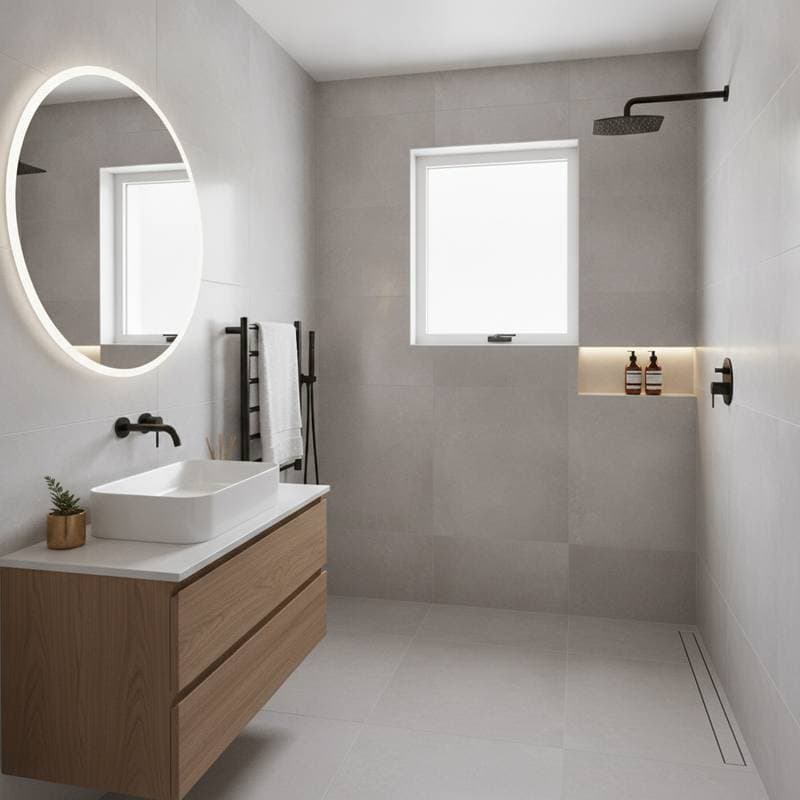
Spaces influenced by Japandi Wabi-Sabi employ subdued, harmonious hues reminiscent of the natural world. Consider walls in soft off-white alongside flooring in light oak or vessels in subtle gray clay to promote visual repose. Steer clear of stark oppositions or reflective surfaces. Instead, integrate tones of taupe, terracotta, and slate to achieve unity and relaxation.
Difficulty: Moderate, particularly if repainting occurs
Cost: $75 to $300 for paints and associated materials
Timeline: Two to three days
3. Prioritize Durable, Authentic Materials
This aesthetic emphasizes enduring substances that develop character over time. Opt for furnishings in solid timber, fabrics in natural fibers like linen, and ceramics crafted by hand. The charm resides in surfaces that reveal inherent inconsistencies, such as grain patterns in wood. A minor mark on a timber surface signifies narrative rather than deficiency.
For those managing limited funds, explore pre-owned options constructed from genuine materials. An antique oak console, for instance, can undergo home restoration for considerably less than a comparable new purchase.
Difficulty: Moderate for restoration efforts
Cost: $200 to $1,200, based on selections and scope
Timeline: One to two weeks for acquisition and preparation
4. Incorporate Layers of Texture for Vitality
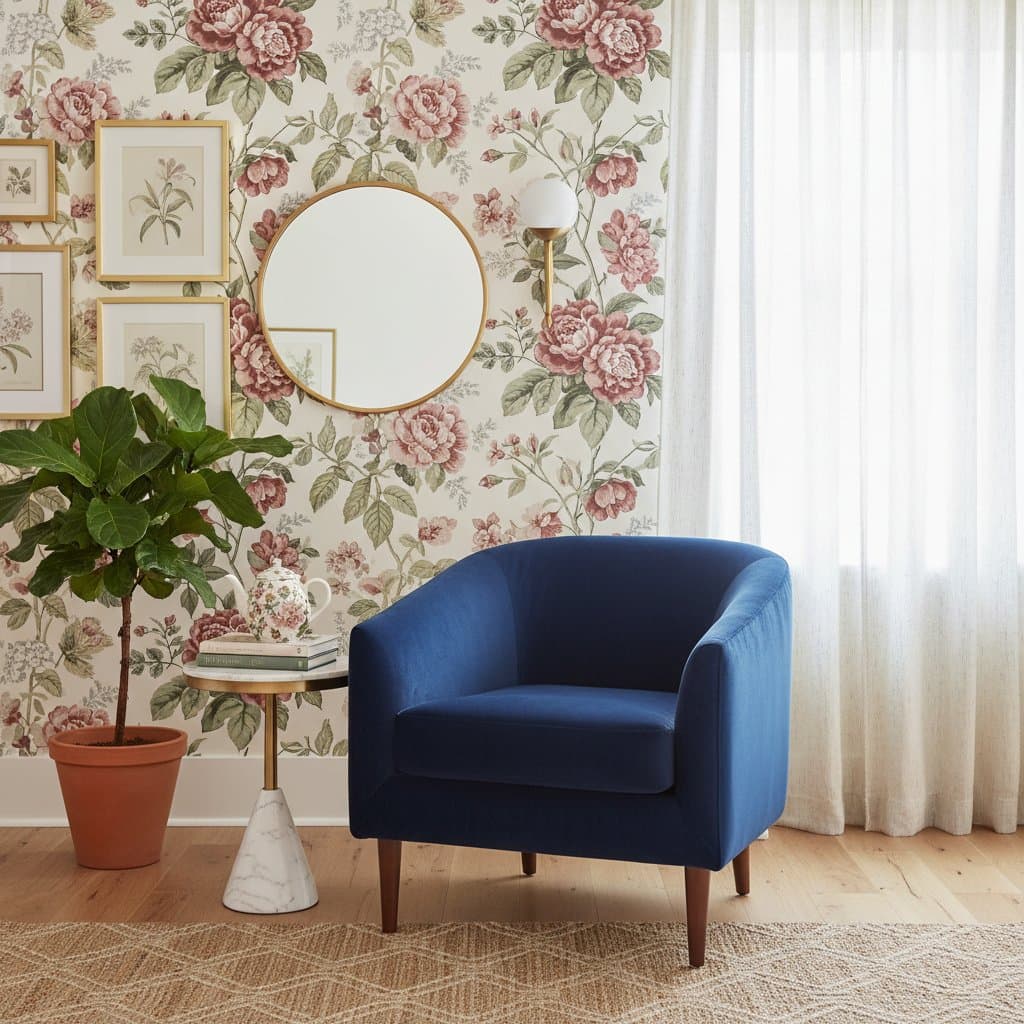
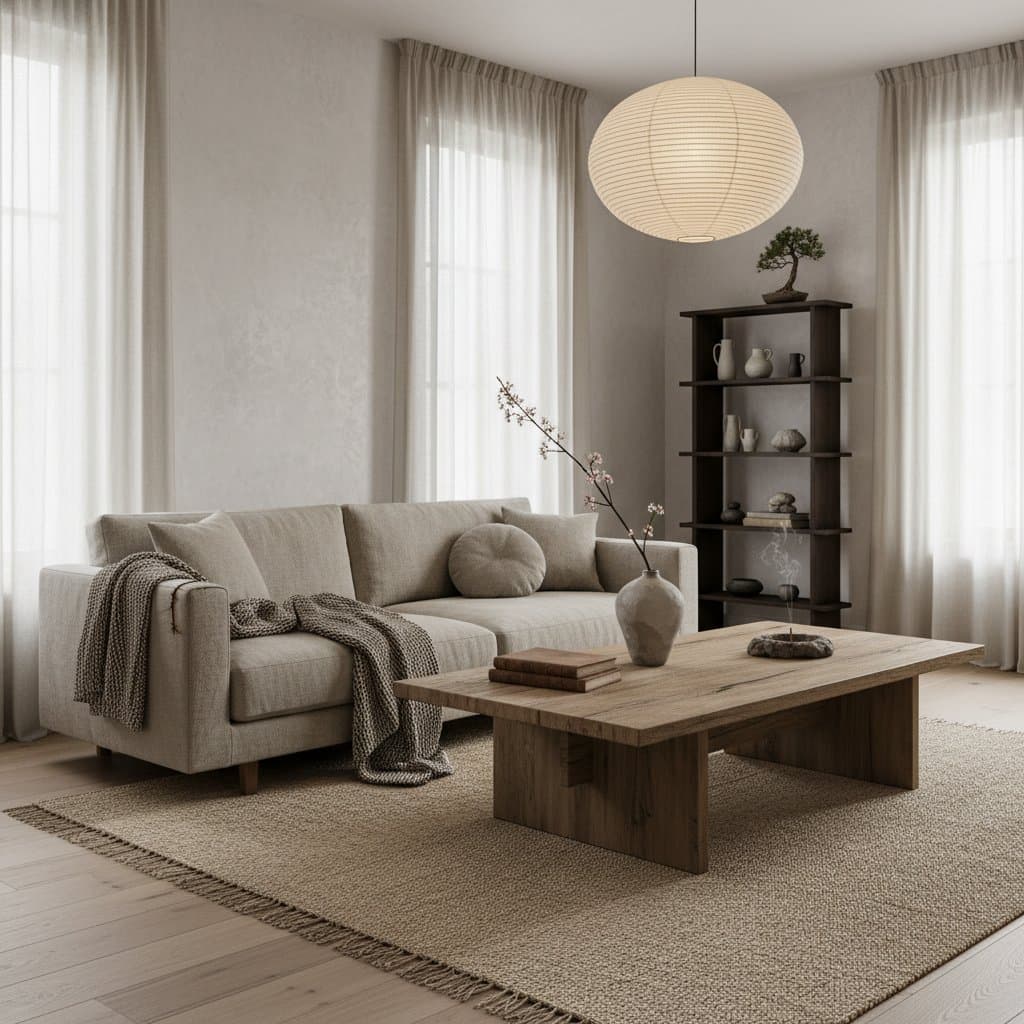
Texture infuses dimension into understated environments. Blend polished and coarse elements, yielding and resilient forms. For example, position a linen-upholstered settee beside a knitted woolen blanket, or place a stoneware container upon a salvaged timber ledge. Such understated juxtapositions invigorate a room while preserving order.
Difficulty: Straightforward
Cost: $100 to $500, contingent on fabric and accessory selections
Timeline: Immediate enhancement
5. Embrace and Showcase Flaws
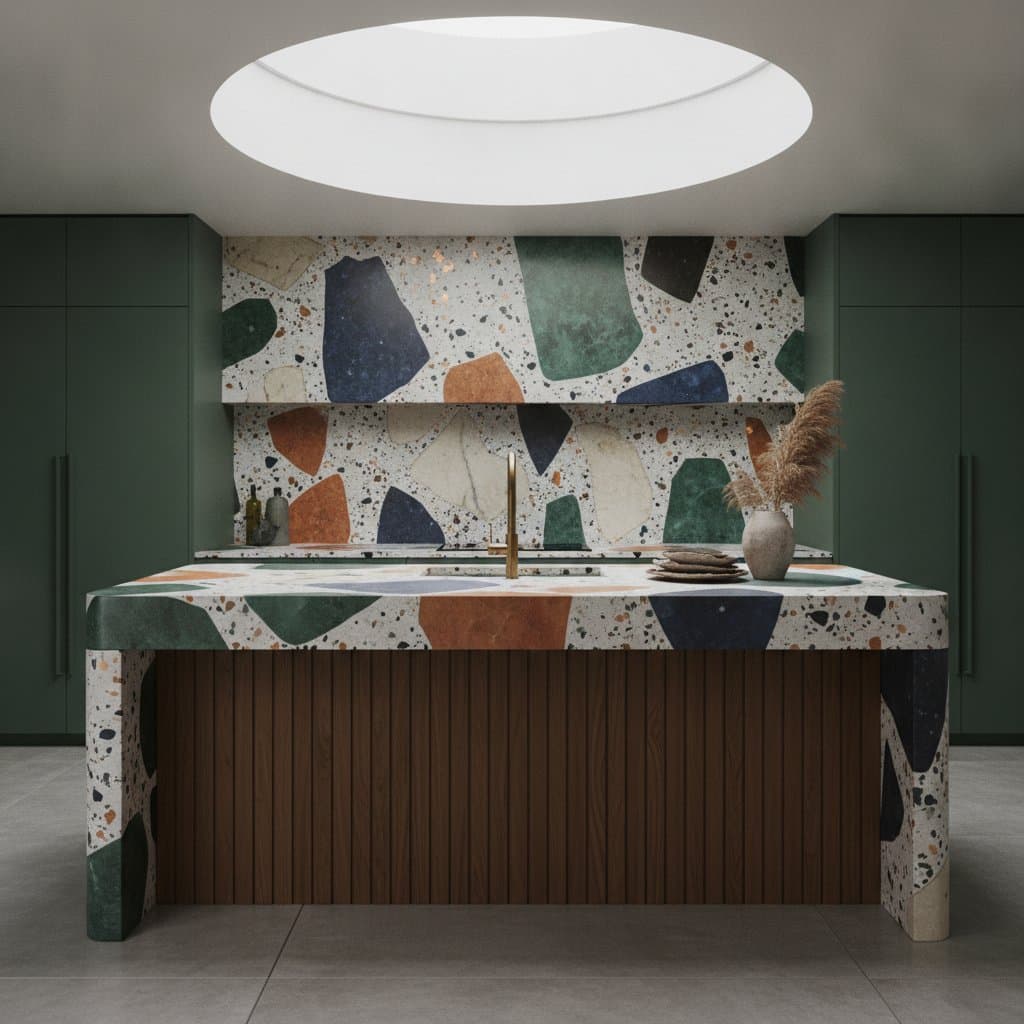
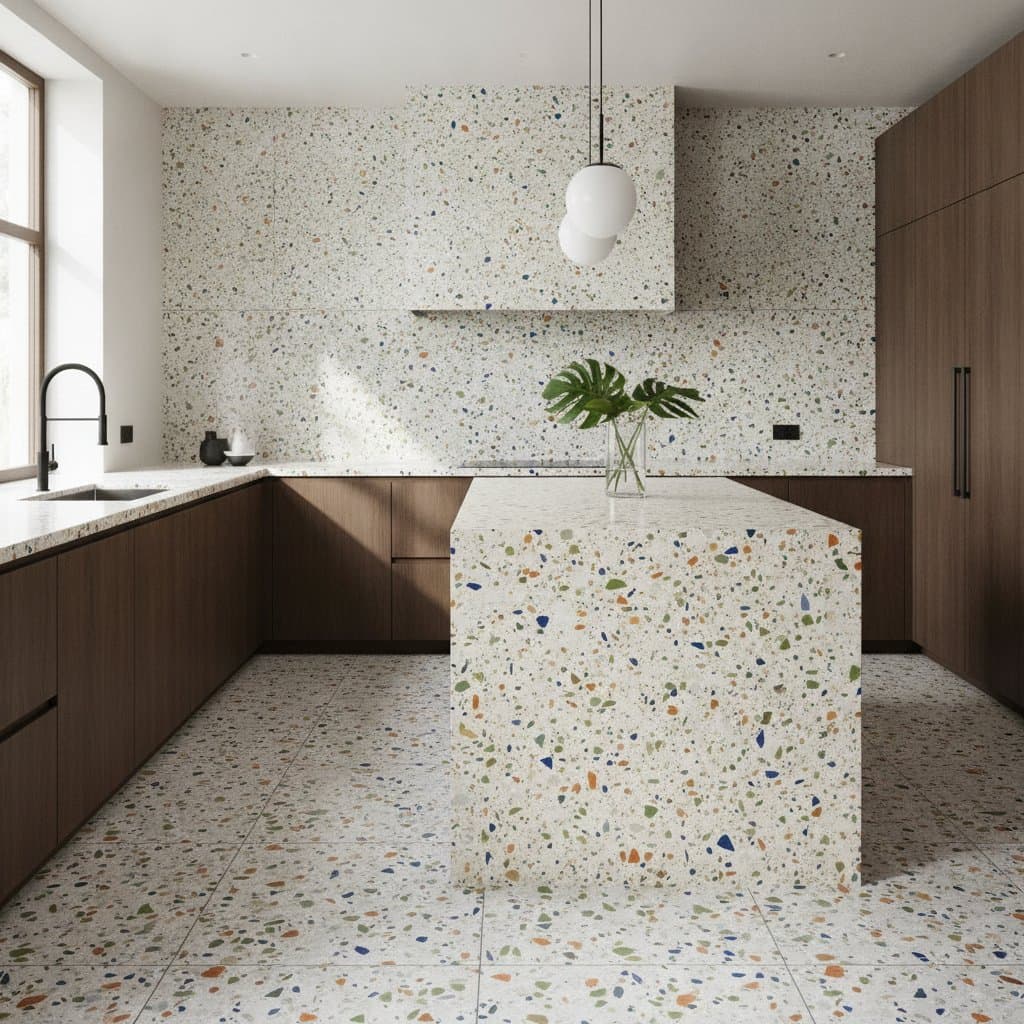
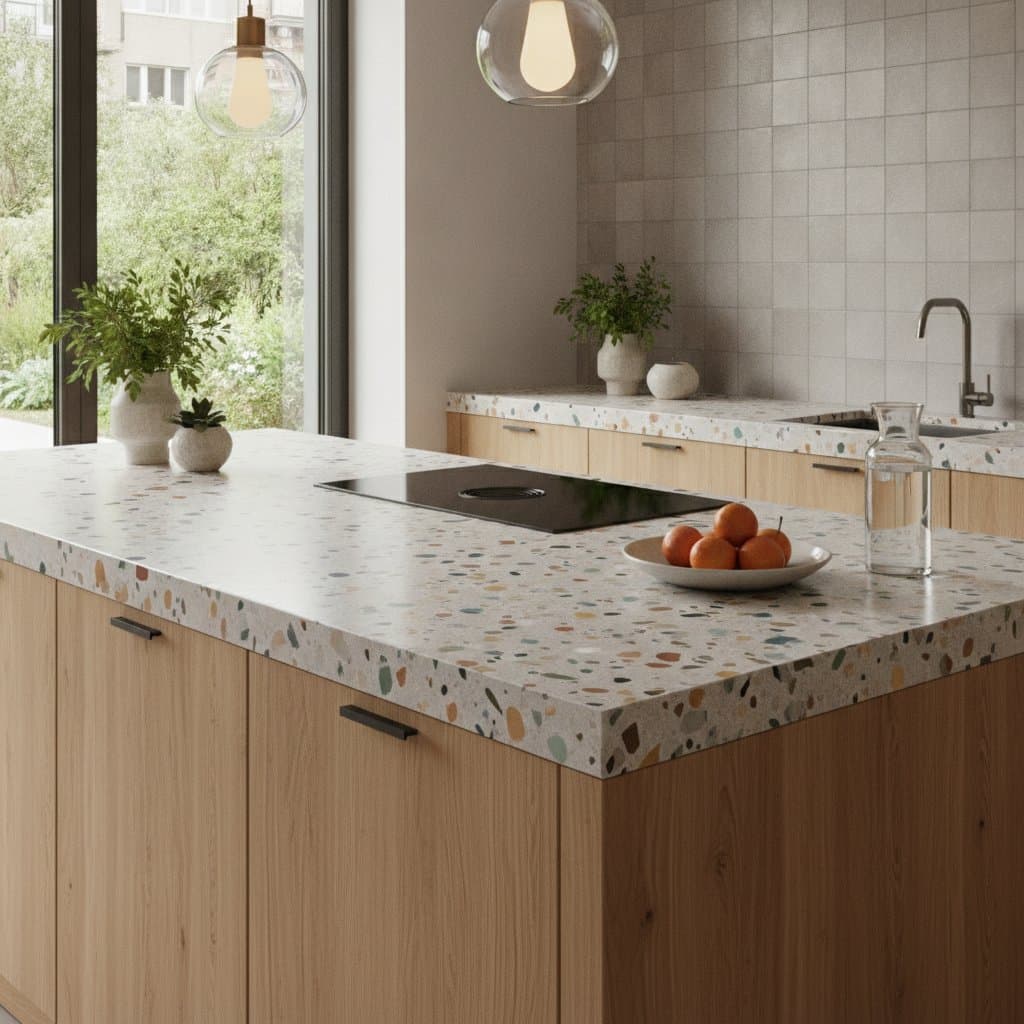
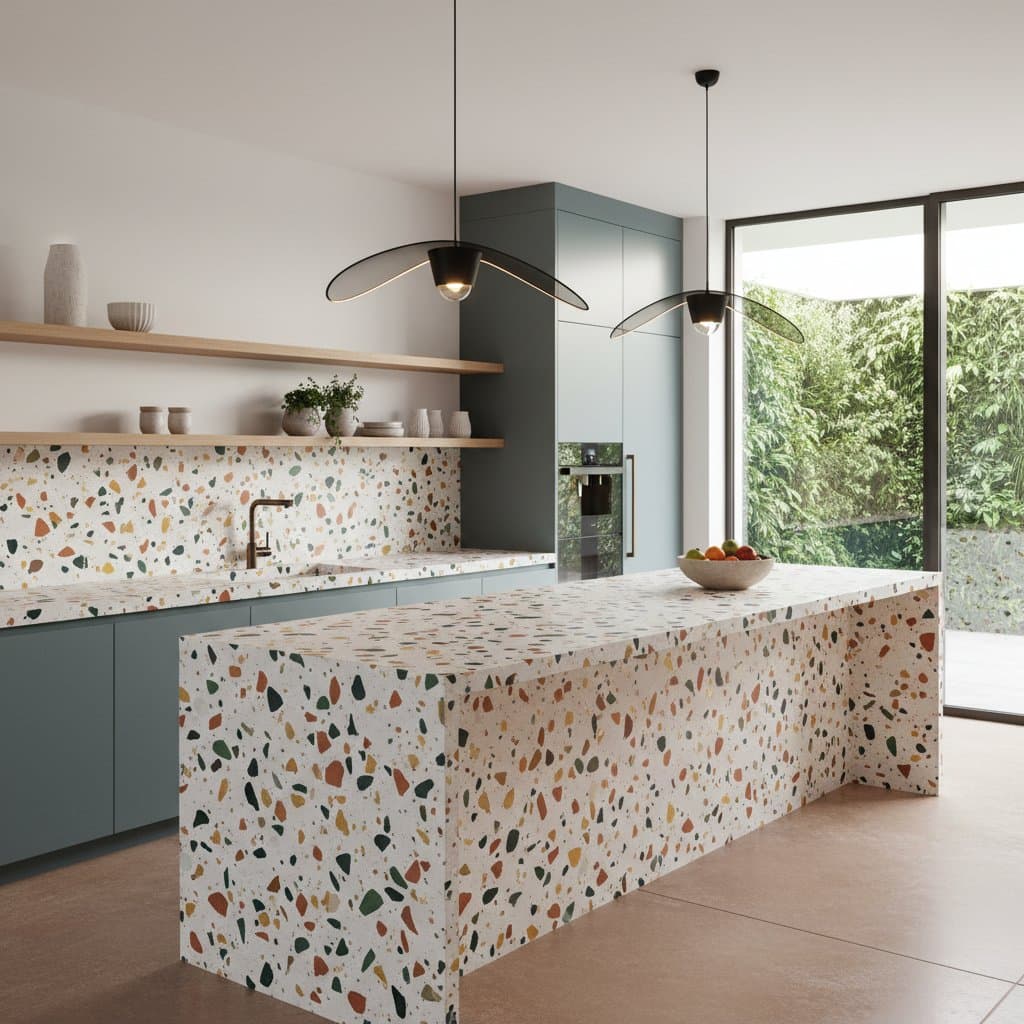
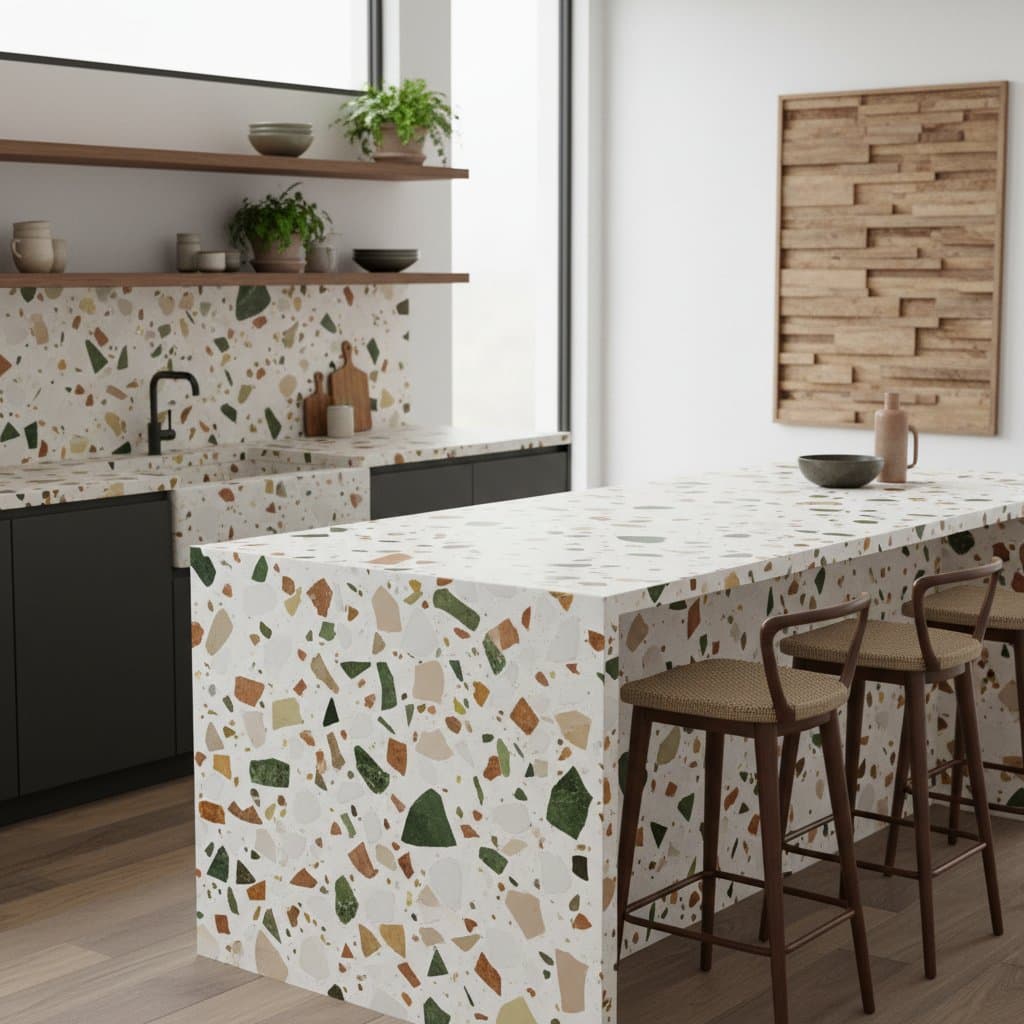
The essence of Wabi-Sabi shines through practices like kintsugi, where fractures in pottery receive golden repairs visible to all. Rather than concealing mends, present them as emblems of resilience. Integrate artisanal ceramics with asymmetrical shapes, mosaic flooring with organic variations, or wall finishes with subtle undulations. These traits impart uniqueness and veracity to the setting.
Difficulty: Straightforward to moderate
Cost: Negligible when repurposing available goods
Timeline: Continuous refinement
6. Designate Areas for Tranquility
Japandi Wabi-Sabi avoids overcrowding or excessive ornamentation. Each area must promote rest and renewal. Refrain from populating every available surface; instead, allocate voids for illumination and circulation. A handful of curated objects exerts greater influence than an overloaded display.
Difficulty: Straightforward
Cost: None, relying on discipline
Timeline: Instantaneous impact
The Enduring Appeal of This Aesthetic
Individuals seek residences that mirror their inner lives and nurture composure. Japandi Wabi-Sabi fulfills this desire by advocating mindfulness in selection and coexistence with authentic forms. Beyond mere appearance, it cultivates surroundings that enhance mental equilibrium.
Professionals in design observe that this approach supports ecological responsibility. Emphasis on longevity and restoration minimizes consumption. Acquiring fewer, superior items proves economical over time and strengthens bonds with one's habitat.
Sustaining the Transformation
As the home embodies Japandi Wabi-Sabi tenets, shifts in routine become evident. Maintenance demands decrease, interruptions fade, and emphasis on well-being intensifies. The restrained coloration facilitates effortless light diffusion, while tactile qualities invite repose. Visitors sense the subtle evolution without explicit identification.
To maintain vitality, periodically reassess and refine. Substitute transient ornaments with artifacts accrued thoughtfully across seasons. Address minor wear through meticulous upkeep instead of hasty substitution. Permit the environment to mature elegantly, akin to cherished heirlooms.
Advancing Toward Mindful Spaces
Adopting Japandi Wabi-Sabi requires no complete overhaul. It involves redefining allure within familiar confines. Commence modestly through coloration adjustments, textural additions, or organizational efforts. Introduce crafted or elemental features progressively within financial means. The objective centers on harmony rather than flawlessness.
Entering a Japandi Wabi-Sabi inspired dwelling evokes immediate peace, as every component serves a purpose and each irregularity conveys significance.