The Shift to AI-Driven Paint Color Matching
Color defines the mood of any interior space. It evokes emotions and influences daily experiences. For years, selecting the ideal paint hue involved endless comparisons of samples under varying lights. Designers and homeowners often faced uncertainty about final results. Artificial intelligence changes this dynamic by delivering precise, personalized color recommendations that build confidence in every choice.
AI tools process visual data to eliminate guesswork. They evaluate images of rooms or fabrics to suggest matching paints. This method ensures colors align with real-world conditions, making the selection process reliable and efficient.
Moving Beyond Human Intuition
Experienced designers develop a keen sense for color nuances, such as distinguishing warm from cool tones. Physical samples help visualize outcomes, yet inconsistencies in lighting complicate decisions. AI enhances this expertise by incorporating data-driven analysis.
Upload a photo of an existing element, like a cherished artwork, into an AI application. The system scans for dominant hues and proposes complementary paints from leading brands. This step saves time and refines initial ideas with objective insights.
Algorithms That Decode Color Science
Modern AI relies on sophisticated algorithms to quantify color elements. These systems measure hue, saturation, and value using vast datasets. Such precision allows exact replication of shades from diverse sources, including textiles or natural elements.
Consider matching a fabric swatch to wall paint. AI software breaks down the sample's RGB values and cross-references them against paint databases. Results include formulas for brands like Backdrop or Benjamin Moore, ensuring seamless transitions from inspiration to application.
AI as a Designer's Essential Ally
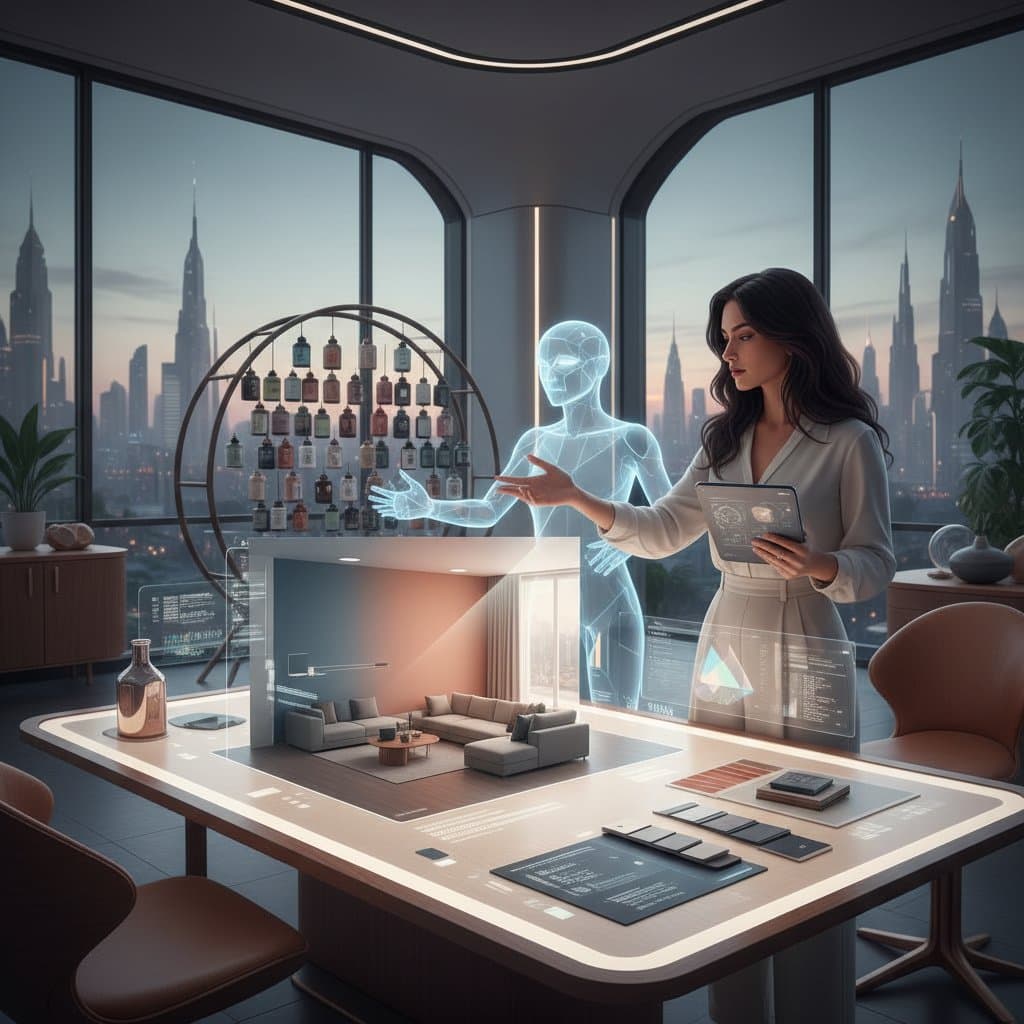
Interior professionals welcome AI as a supportive tool, not a substitute. It handles repetitive tasks, allowing focus on conceptual elements. For instance, capture an image of a client's furniture, and AI generates a palette that echoes its patterns.
Review the suggestions alongside the room's layout. Adjust for scale and flow to meet client visions. This partnership streamlines workflows while preserving the designer's creative authority.
Accounting for Lighting and Environment
Lighting alters color perception dramatically. Natural sunlight enhances warmth, while artificial sources can mute vibrancy. AI addresses these factors by simulating various scenarios.
Input details about a room's orientation and bulb types into the tool. It predicts how paints like Farrow & Ball's String or Sherwin-Williams' Egret White will appear at different times. This foresight prevents costly repaints and ensures consistent aesthetics.
Crafting Tailored Color Schemes
Personalization sets AI apart in design. Systems learn from user interactions to refine suggestions over time. A preference for earthy tones might lead to recommendations like Benjamin Moore's Sage Wisdom or Backdrop's Palo Santo.
Start by selecting favorite images or describing desired moods. AI builds a custom palette that integrates with existing decor. This method turns broad searches into focused, relevant options.
Promoting Sustainability with Accurate Choices
Inaccurate color matching leads to excess paint production and waste. AI reduces these issues by providing spot-on predictions. Users apply the right shade immediately, minimizing returns and leftovers.
Painters use AI forecasts to order precise quantities for projects. This practice cuts material overuse and supports eco-friendly habits. Across the industry, such efficiency lowers environmental impact without sacrificing quality.
Connecting Online Inspiration to Real-World Results
Digital platforms abound with color ideas, but screens misrepresent true tones. AI bridges this divide by adjusting for display variations. It converts pixel-based colors into practical paint equivalents.
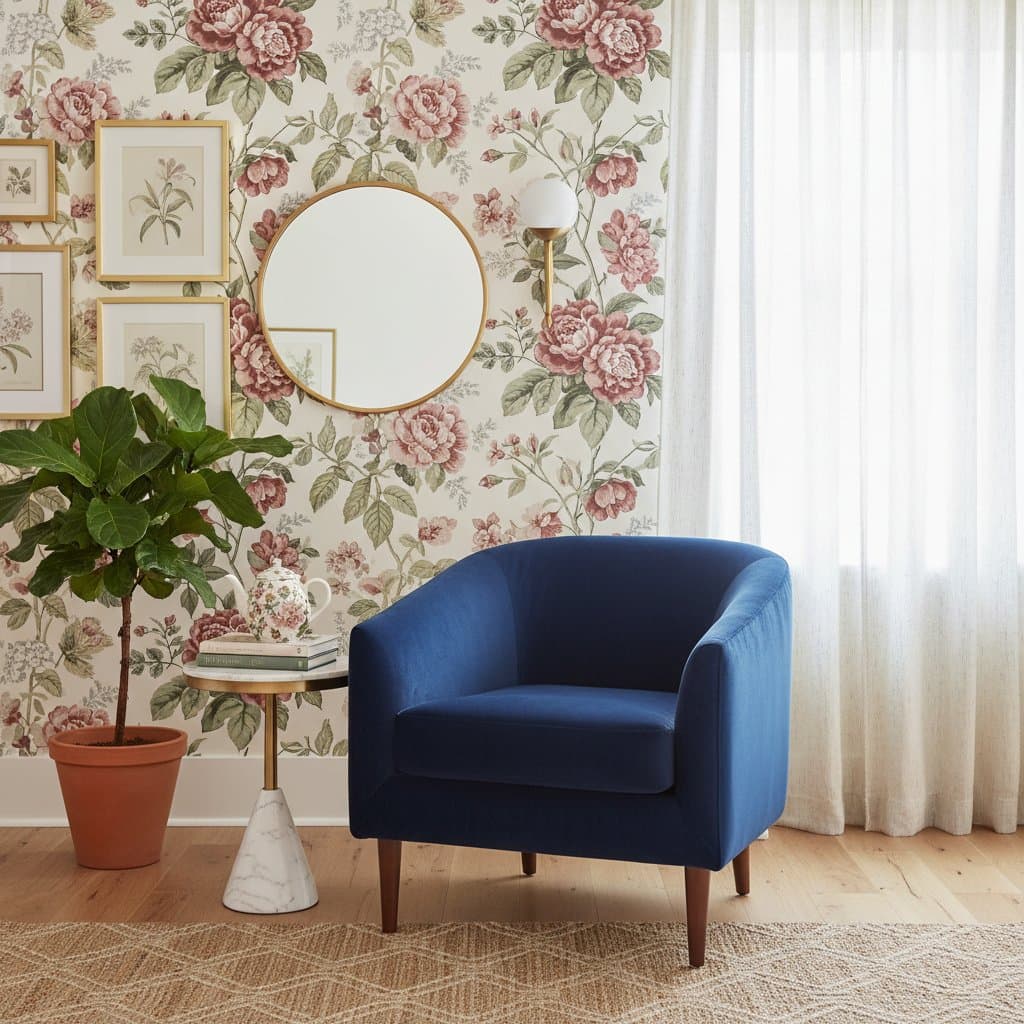
Take a photo from a design site featuring a soft rose shade. AI analyzes it and matches to physical paints that capture the same essence. This translation makes virtual concepts achievable in tangible spaces.
Integrating Color Psychology with AI Insights
Colors influence emotions profoundly. Blues promote tranquility, while corals energize. AI draws from psychological studies to suggest hues aligned with intended feelings.
Describe a goal, such as fostering relaxation in a bedroom. The system recommends options like Behr's Rain Washed and explains their calming effects. This blend of data and empathy enriches design decisions.
Enhancing Smart Homes with Adaptive Colors
Smart technology integrates into living spaces, and paint selection evolves accordingly. AI enables colors that respond to environmental cues, like shifting with automated lights.
Envision walls that subtly change tone via connected systems. AI tools now suggest paints compatible with these innovations. This forward-thinking approach creates dynamic, mood-responsive interiors.
Forging a New Era of Design Collaboration
AI empowers teams of architects, designers, and suppliers with rapid data processing. It handles complex calculations, leaving interpretive work to humans. Together, they craft environments that resonate deeply.
Share project files across platforms for real-time feedback. AI refines palettes based on collective input. The outcome balances technical precision with artistic depth.
Embracing AI for Vibrant, Confident Spaces
AI elevates paint selection to a precise art form. It empowers users to explore options with assurance, drawing on data to match visions perfectly. Designers gain tools that amplify their skills, while homeowners discover hues that truly enhance their surroundings.
Next time you plan a refresh, leverage AI to scan your space. Receive suggestions that honor your style and the room's realities. This process uncovers colors that not only fit but inspire, turning ordinary walls into personalized narratives.