Universal Design: Age-Proof Bathrooms for 2026 Living
Picture a bathroom that welcomes users of all abilities with ease and elegance. This space supports daily tasks without barriers, whether for young children, active adults, or seniors navigating mobility challenges. Universal design principles achieve this balance, ensuring functionality meets aesthetics in a way that anticipates future needs.
Bathrooms rank among the highest-risk areas in homes for accidents like slips and falls. As populations age, these risks intensify, yet many renovations ignore long-term accessibility. Universal design addresses this oversight by integrating safety features seamlessly into modern layouts, preserving beauty while enhancing usability across life stages.
Assessing Your Space and Needs
Begin the process by evaluating your bathroom's current setup and household dynamics. Consider the number of daily users, their varying mobility levels, and potential future changes such as aging in place or accommodating guests with disabilities. Measure the room's dimensions to identify opportunities for reconfiguration.
Key questions guide this assessment:
- What mobility aids, if any, might enter the space in the coming years?
- Does the existing door width accommodate wheelchairs, typically requiring at least 32 inches of clear opening?
- How can plumbing and electrical systems adapt without major disruptions?
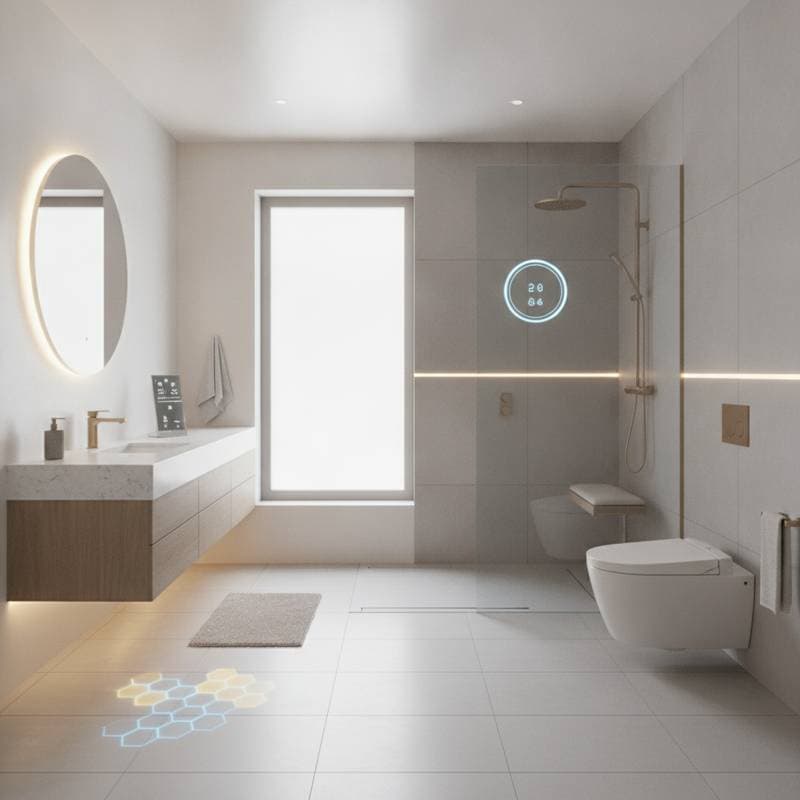
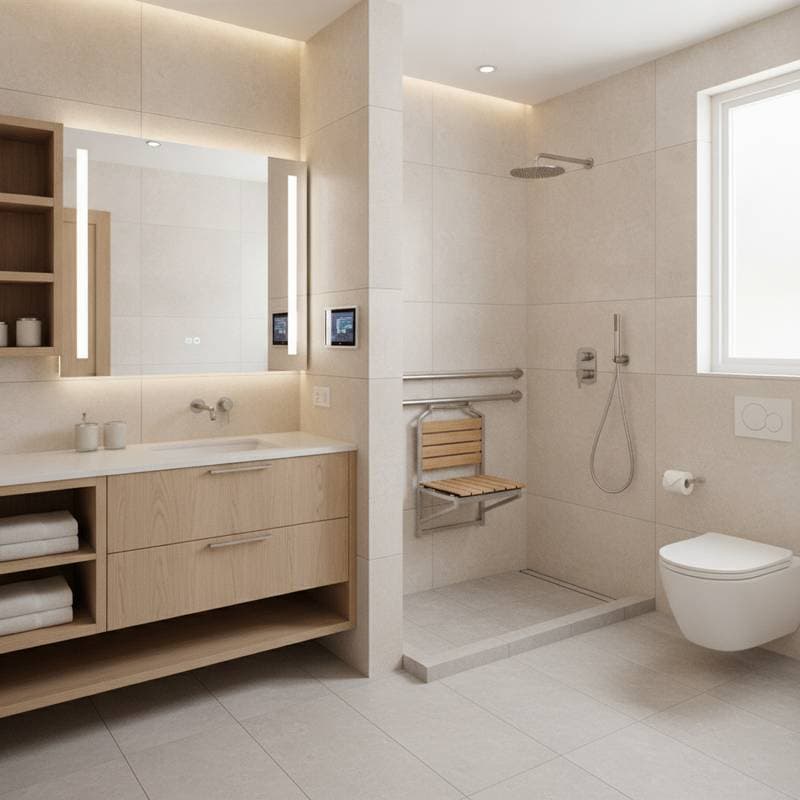
Aim for a minimum five-foot turning radius to facilitate movement for wheelchairs or walkers. In compact bathrooms, eliminate obstacles like bulky vanities by opting for wall-mounted options. These adjustments not only promote safety but also simplify maintenance and improve the overall sense of spaciousness.
If space constraints persist, explore vertical storage solutions or multifunctional furniture to free up floor area. Consult local building codes early to ensure compliance with accessibility standards, which vary by region but often emphasize clear pathways and stable supports.
Budgeting for Effective Upgrades
Universal design renovations scale across budget levels, allowing customization based on priorities and resources. Each tier delivers measurable improvements in safety and convenience, with potential returns through increased property appeal.
- Entry-level enhancements ($500 to $2,000): Install reinforced grab bars near the toilet and shower, rated for at least 250 pounds of support. Upgrade to LED task lighting that illuminates counters and floors evenly, and place slip-resistant mats or adhesive strips in wet zones.
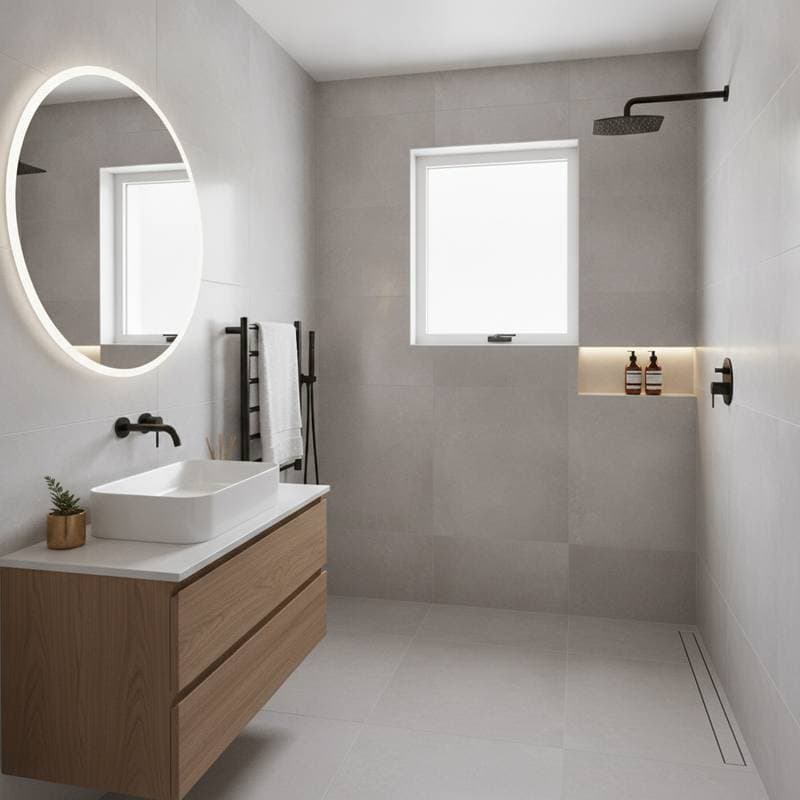
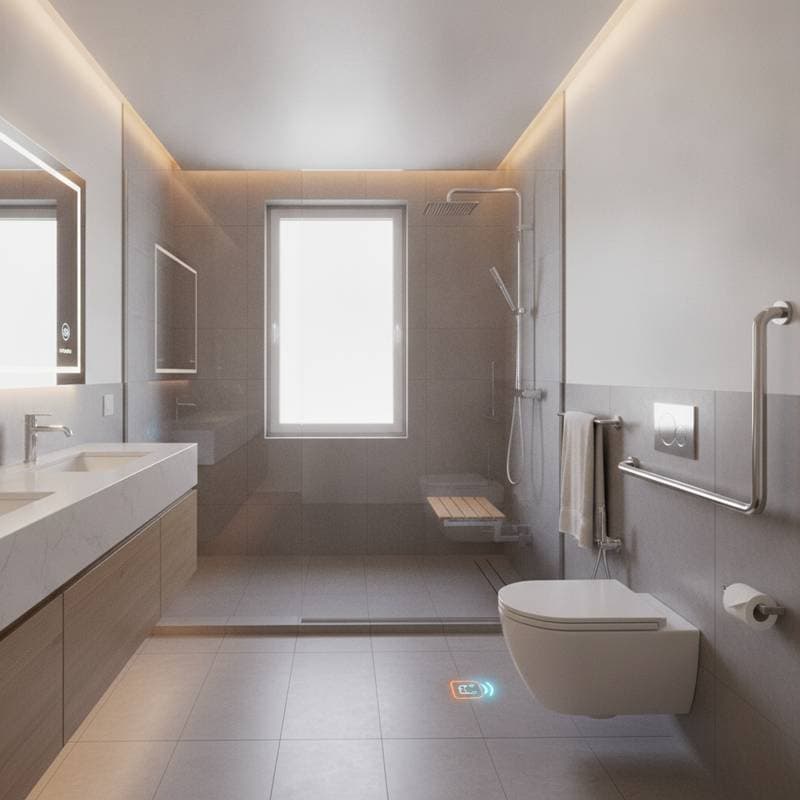
- Moderate renovations ($8,000 to $15,000): Convert traditional tub-shower combos to low-threshold or curbless showers with built-in benches. Select comfort-height toilets at 17 to 19 inches for easier use, and integrate motion-sensor lights to prevent shadows that hide hazards.
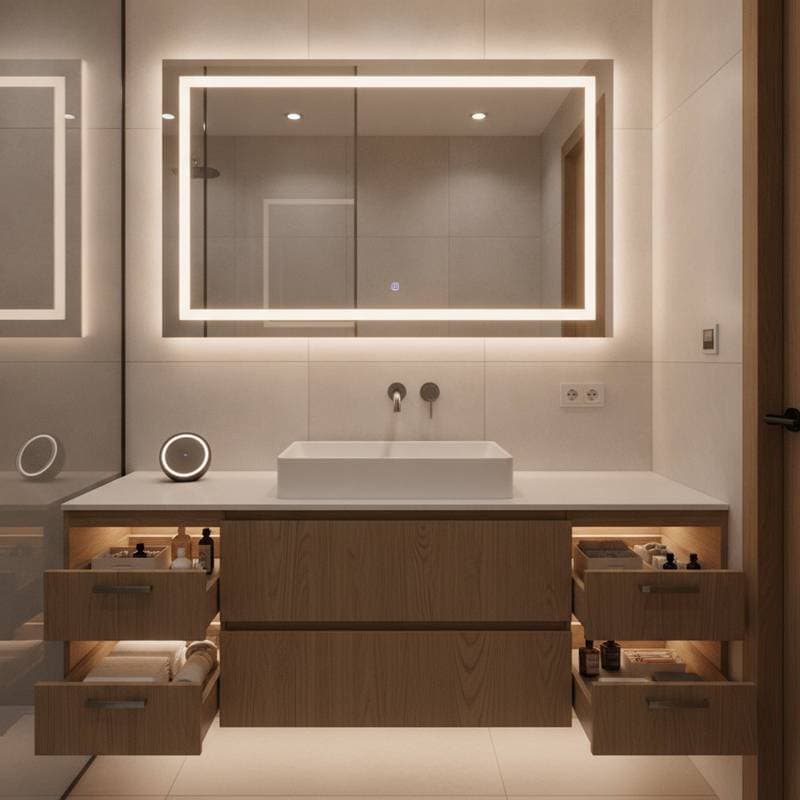
- High-end transformations ($20,000 and above): Redesign the layout for optimal flow, incorporating heated floors for warmth and traction. Add automated faucets and voice-activated controls for hands-free operation, paired with custom cabinetry featuring pull-out shelves and lever handles.
Investments in these features often yield strong returns. Properties with accessible bathrooms attract a broader buyer pool, potentially increasing resale value by 5 to 10 percent in competitive markets. Beyond finances, such designs minimize injury risks, averting costly medical interventions and supporting independent living longer.
Integrating Style and Functionality
Universal design thrives on subtlety, blending safety elements into desirable aesthetics without clinical overtones. Select materials and finishes that enhance visual appeal while serving practical purposes.
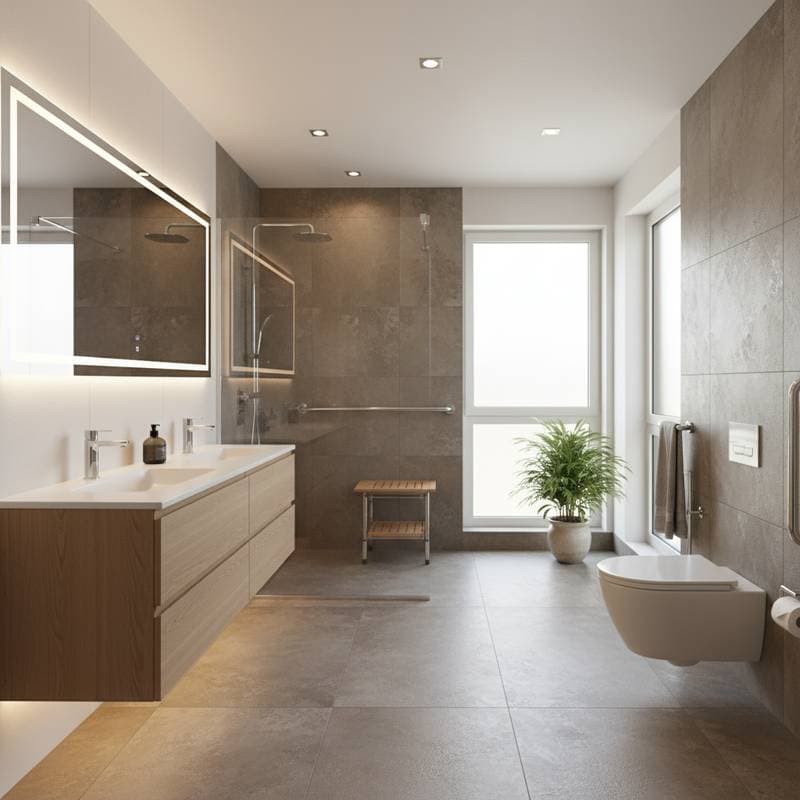
Opt for flooring with a coefficient of friction exceeding 0.6 for wet conditions, such as textured porcelain tiles in earthy tones. Walls benefit from matte paints or tiles that diffuse light, reducing eye strain and glare for users with vision impairments.
Fixture choices elevate the look:
- Brushed metal hardware in satin nickel or oil-rubbed bronze for durability and elegance.
- Frameless glass enclosures that maintain openness and ease cleaning.
- Lever-style faucets and door handles that require minimal grip strength.
Incorporate natural elements like wood accents or plants to foster a calming atmosphere. These details ensure the bathroom feels like a retreat, not a concession to necessity, while accommodating diverse users seamlessly.
Implementing Your Vision Step by Step
Prioritize elements based on immediate needs, such as fall prevention or ease of reach. Secure quotes from at least three contractors experienced in accessibility projects; review portfolios for examples of integrated designs.
Phase the work if a full overhaul proves daunting. Start with high-impact changes like grab bar installations, which reinforce walls for future additions. Follow with lighting and flooring updates to address visibility and traction quickly.
During construction, test prototypes where possible, such as temporary shower benches, to refine choices. Post-installation, conduct a walkthrough with household members to verify intuitiveness and make minor adjustments.
Realizing Lasting Benefits Through Universal Design
A thoughtfully designed bathroom extends beyond immediate safety to foster confidence and independence. Families gain peace of mind knowing the space adapts to life's transitions, from raising children to enjoying retirement.
These upgrades enhance daily comfort, reduce maintenance demands, and elevate home equity. By committing to universal design, homeowners craft environments that honor every stage of life with grace and practicality.