Why Induction Cooktops Are Replacing Gas Stoves
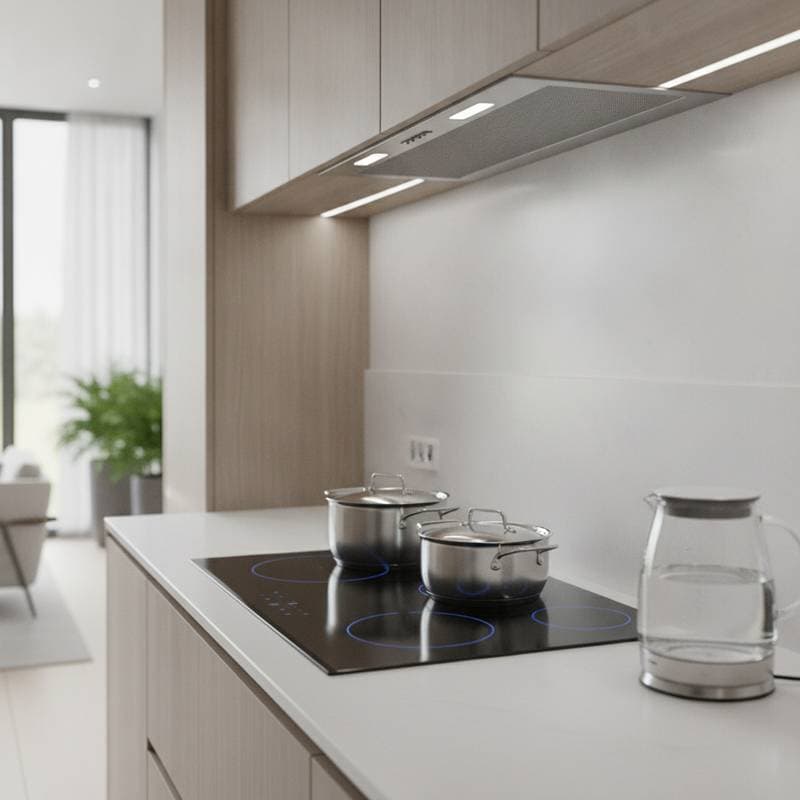
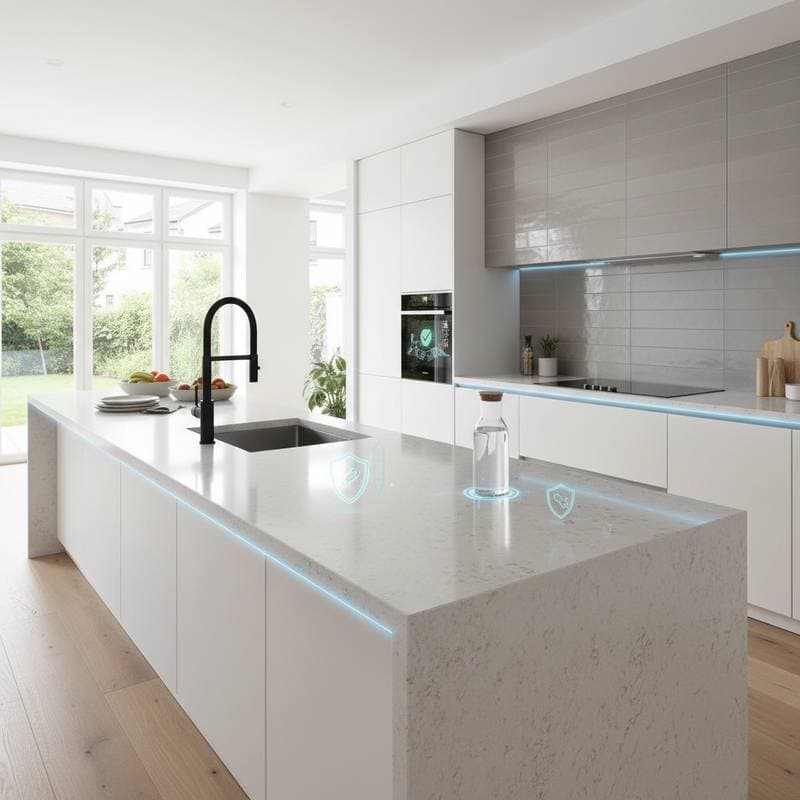
Induction cooking combines sustainability, safety, and refined design. It offers precise performance, cleaner air, and a minimalist surface that integrates with contemporary living spaces.
Articles tagged with remodeling
Induction cooking combines sustainability, safety, and refined design. It offers precise performance, cleaner air, and a minimalist surface that integrates with contemporary living spaces.
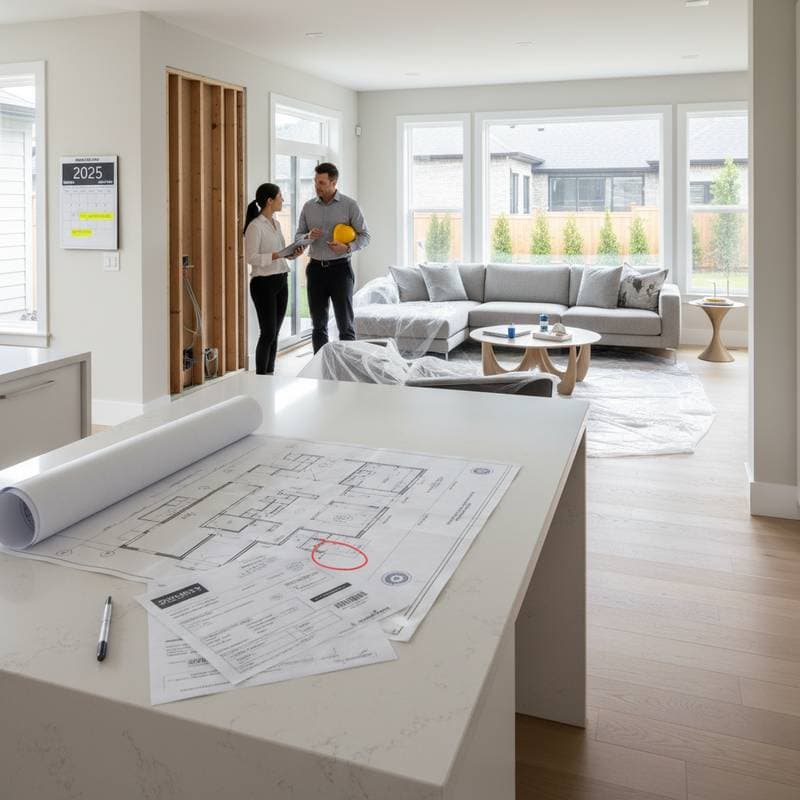
Strategic drawings, early coordination with expediters, and organized inspections turn permit requirements into steady progress. Follow these steps to reduce delays and maintain project momentum.
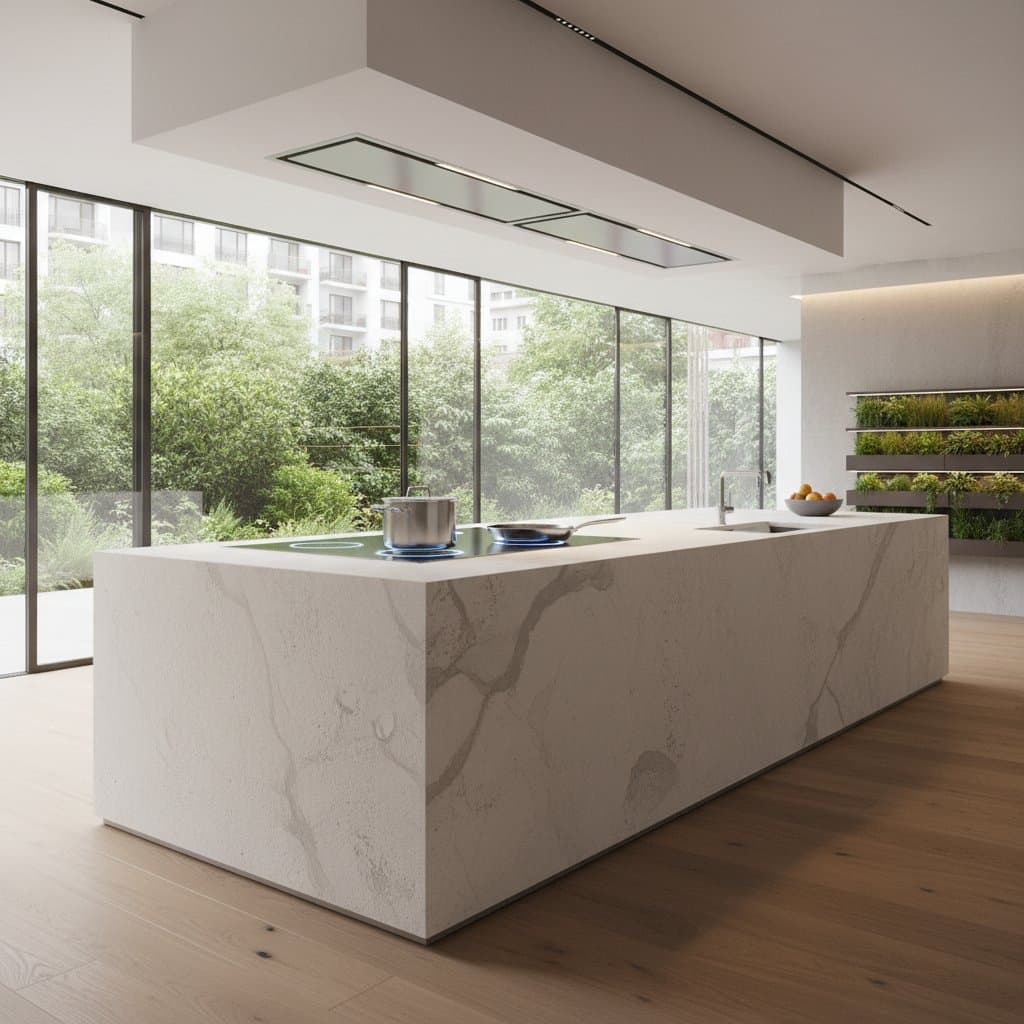
The induction revolution of 2026 transforms kitchens into seamless, sustainable havens. Sculptural islands and precise, quiet cooking merge technology with artistry. Architects and designers embrace induction for its clean efficiency and design freedom, showcasing an elegant, intuitive future powered by hidden intelligence.
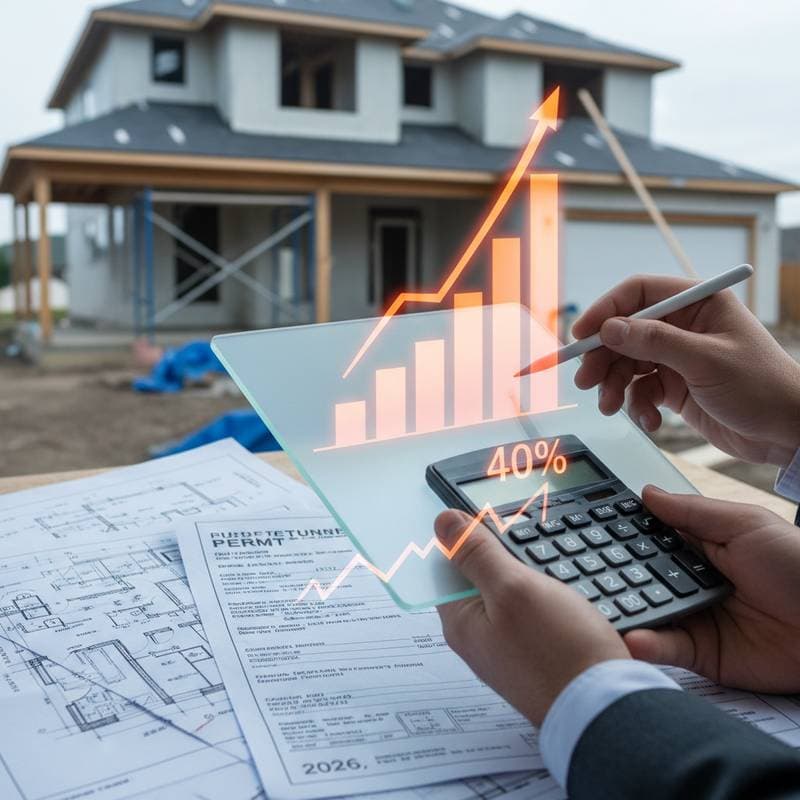
Remodelers will encounter a 40% rise in permit costs by 2026 due to escalating labor expenses, advanced technology requirements, and stricter sustainability regulations. Through proactive planning, efficient design adjustments, and adoption of modular techniques, professionals can mitigate these costs.
Homeowners planning 2026 remodels confront a 40% rise in permit fees, which disrupts budgets from the planning stage onward.
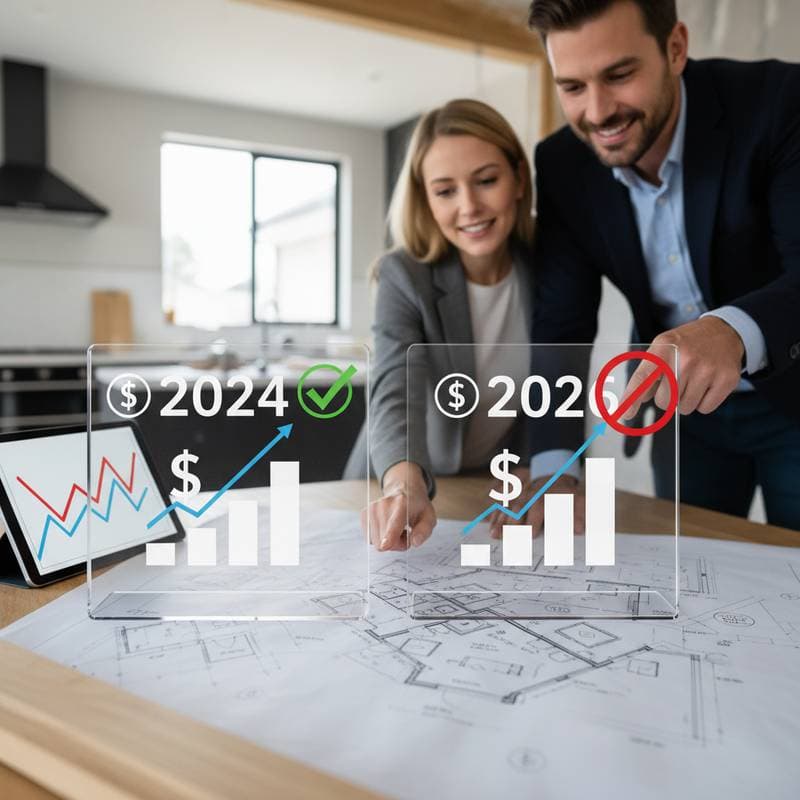
Building codes evolve, and permit fees often rise with them. Delaying your application could double costs and impose stricter rules. This guide explains the impacts, clarifies key changes, and provides practical steps to submit early, ensure compliance, and save significantly on your remodel while enhancing safety and efficiency.
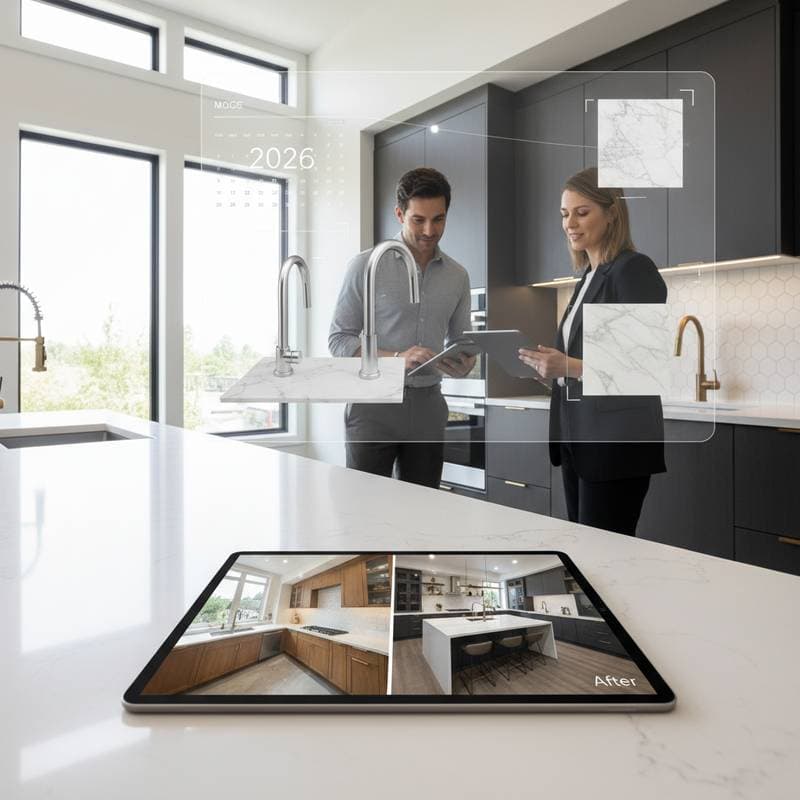
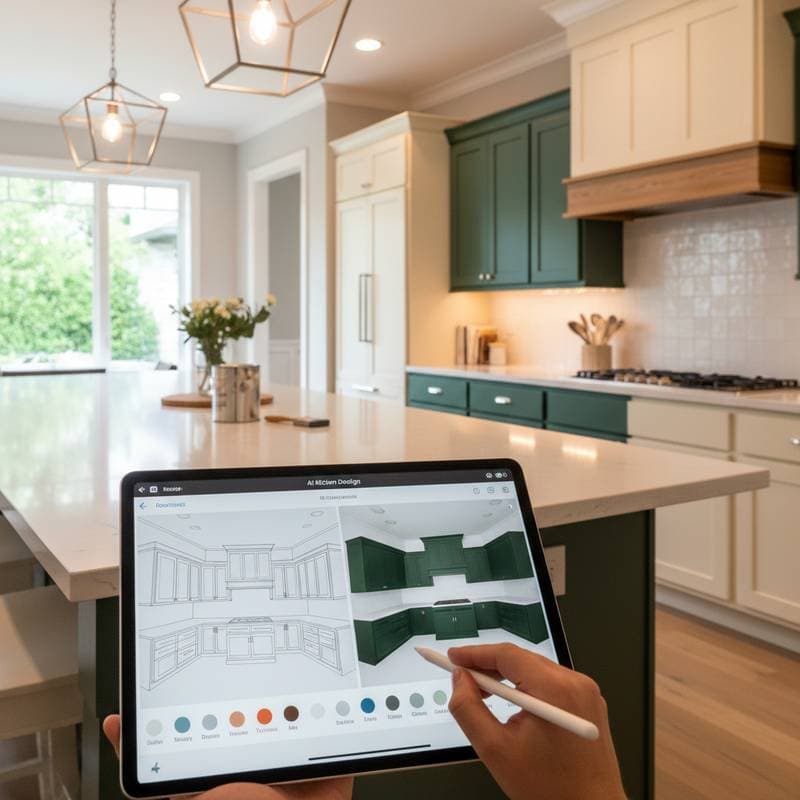
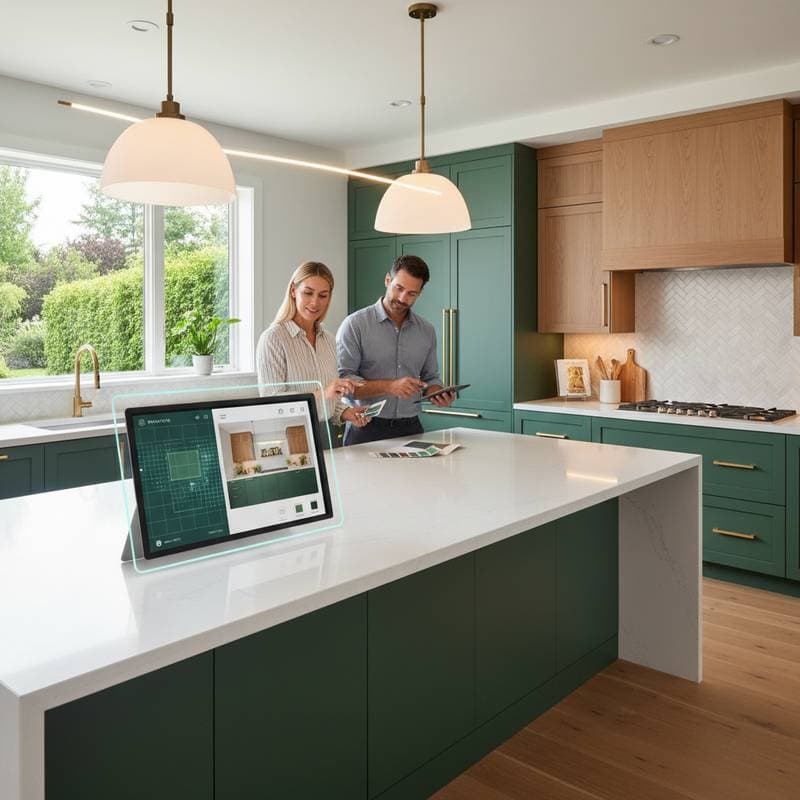
AI kitchen redesign platforms enable photo uploads for quick, accurate layout generations by 2026. They combine spatial intelligence with material simulations to streamline collaboration between designers and homeowners, delivering creative, practical spaces.
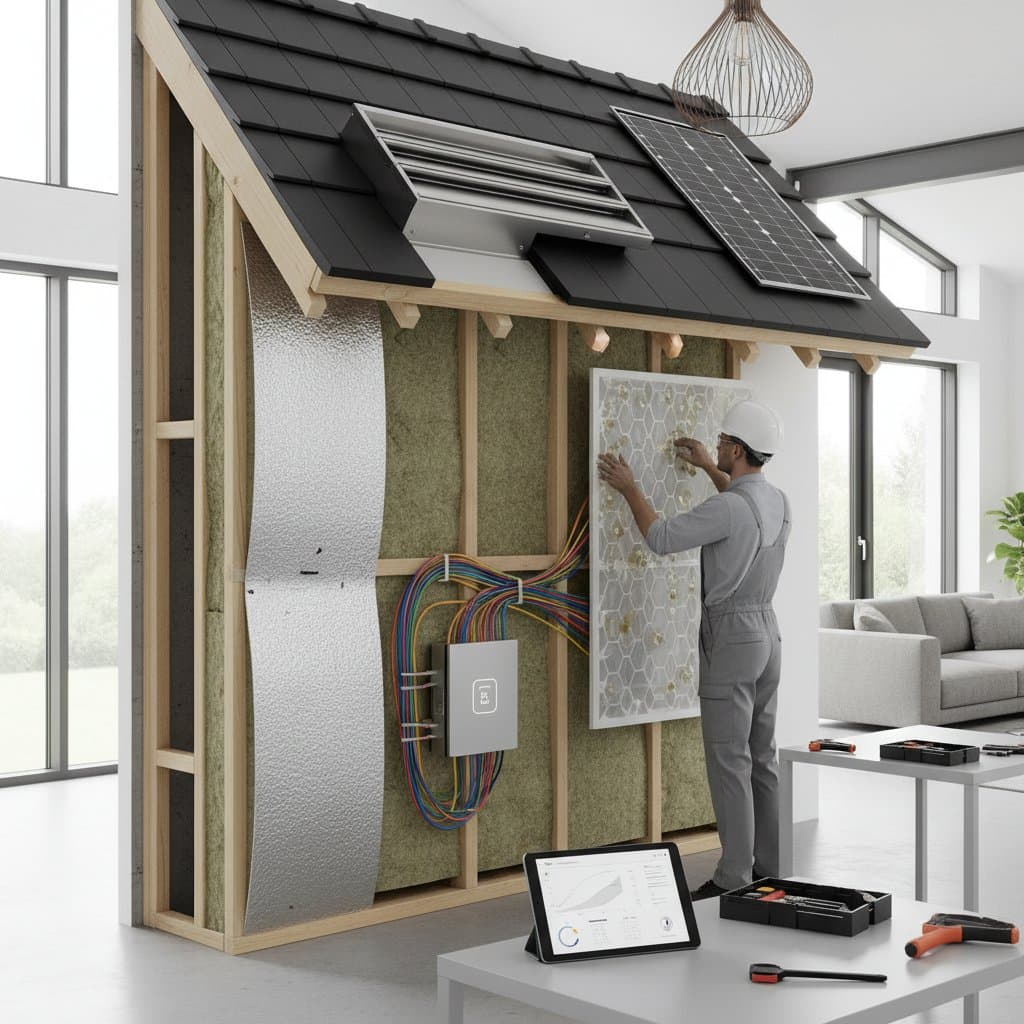
Achieve up to 40% reductions in heating and cooling expenses through climate-adaptive remodeling. This approach employs intelligent insulation, precise air sealing, and adaptive materials to enable natural temperature regulation within the home. From simple do-it-yourself solutions to comprehensive renovations, uncover actionable strategies that improve comfort, efficiency, and enduring financial benefits, beginning with a thorough energy assessment.
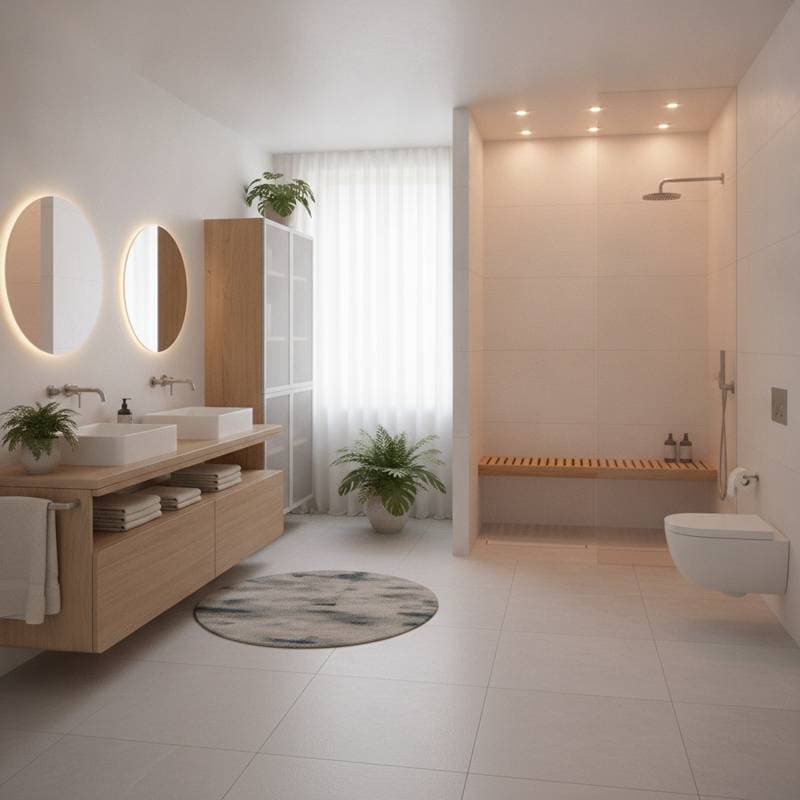
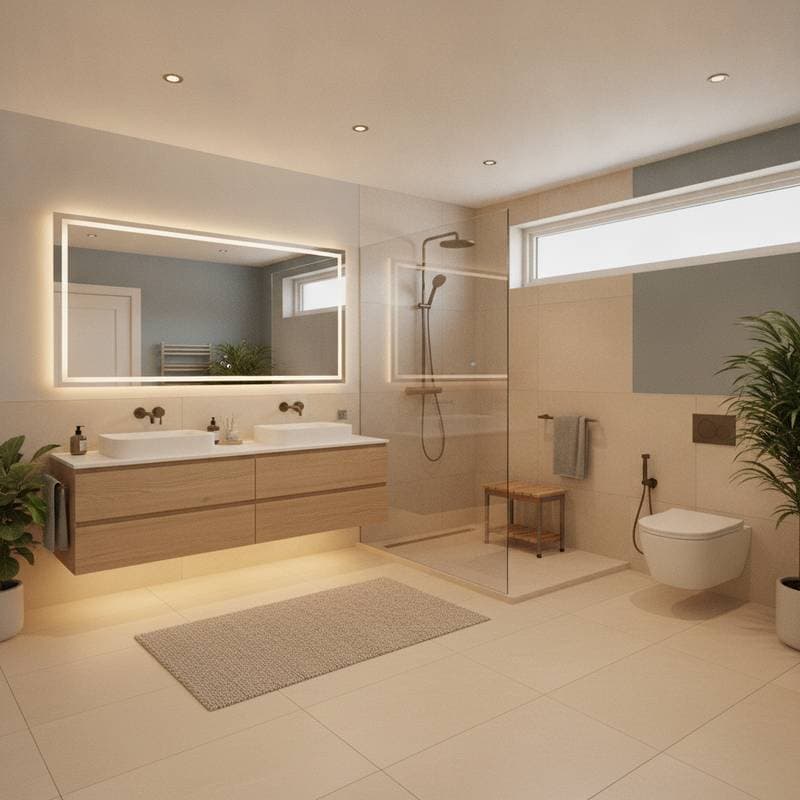
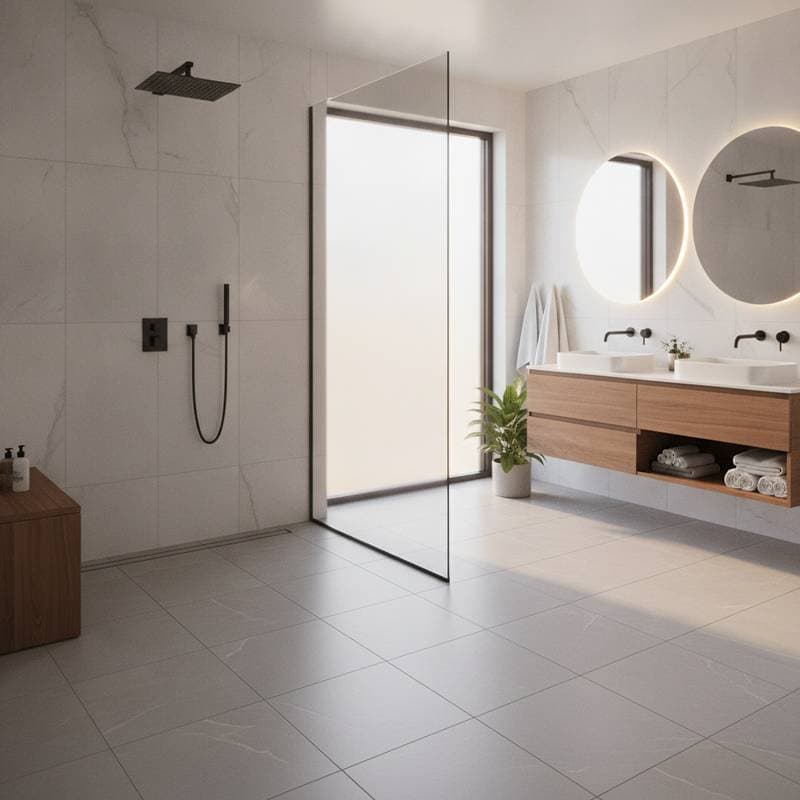
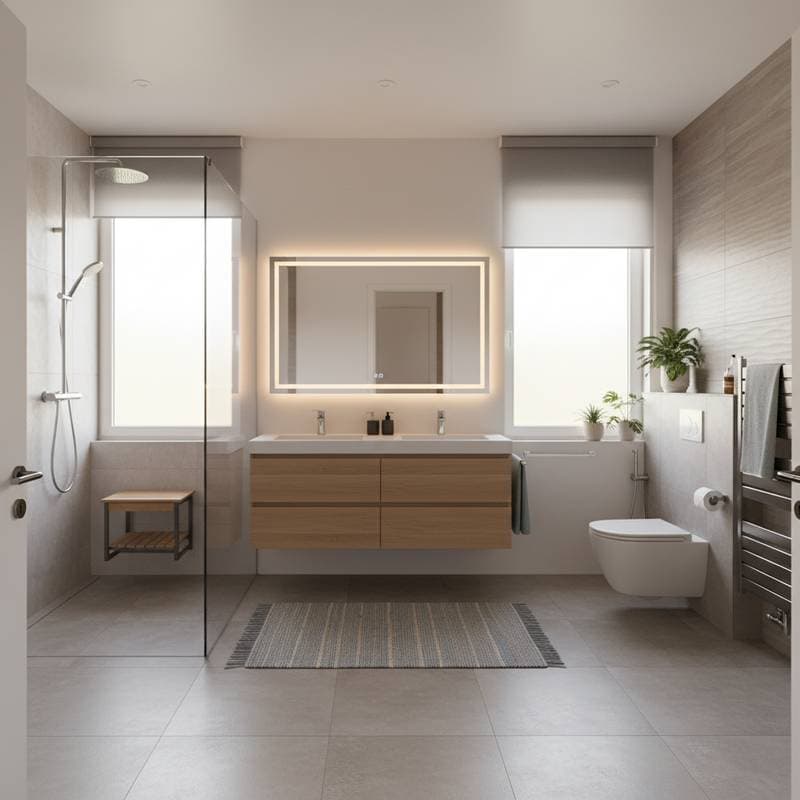
Universal design elevates aging-in-place bathrooms by merging safety, aesthetics, and usability. Strategic layouts, intelligent lighting, and resilient materials ensure accessibility remains elegant, supporting independence and confidence for every user.
Building permit fees for remodel projects face a 40% increase by 2026 due to sustainability requirements, digital system upgrades, and escalating administrative expenses. This change affects budgeting and planning for homeowners, architects, and contractors. Early awareness of regulatory updates allows teams to turn compliance hurdles into chances for innovative, durable designs.
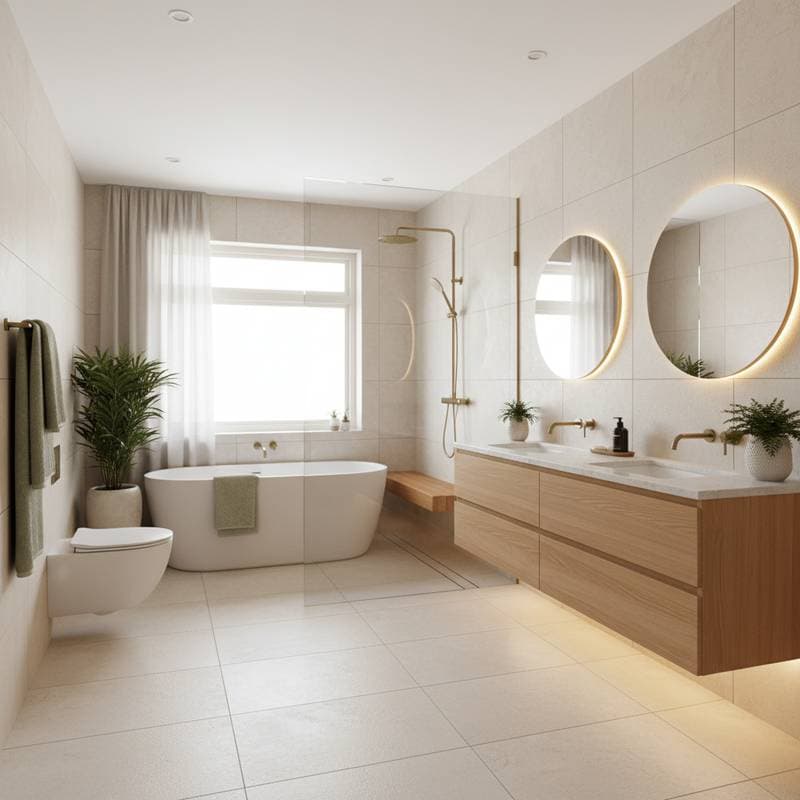
Aging-in-place bathrooms transform home sanctuaries with universal design principles, warm materials, and discreet tech. These spaces ensure safety and independence while delivering aesthetic appeal. From slip-resistant floors to adaptive lighting, they adapt beautifully to evolving needs, enhancing well-being across generations.
AI design tools elevate kitchen cabinet transformations, enabling precise visualization of colors, finishes, and lighting. From accessible apps to sophisticated 3D systems, they empower homeowners to create confident, affordable, and personalized kitchen aesthetics.
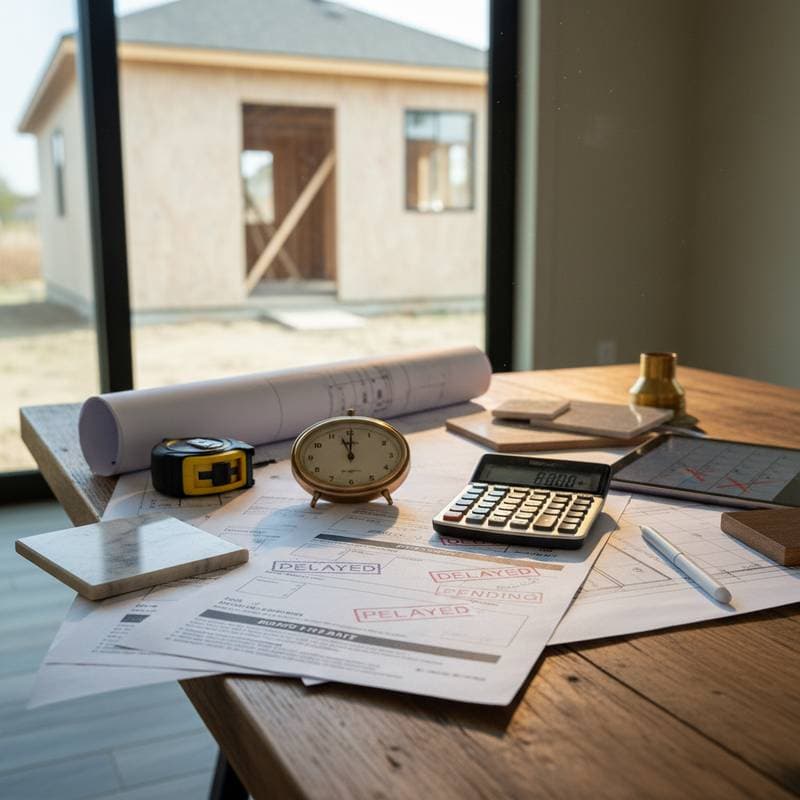
Permitting delays inflate remodel budgets by an average of $8,000 due to rescheduled labor, rising material prices, and added financing fees. This guide details the causes of prolonged approvals, identifies hidden expenses, and provides practical steps in planning, documentation, and communication to maintain your renovation timeline and budget.
AI color tools revolutionize kitchen remodeling by removing uncertainty, averting costly color errors, and enhancing collaboration between contractors and clients. Through analysis of light, undertones, and textures, they ensure seamless palettes that match digital plans to real outcomes, saving time and resources.
Contemporary kitchen remodels prioritize hygiene alongside aesthetics. Antimicrobial surfaces actively combat bacteria, mold, and mildew, maintaining cleanliness with less effort. These materials improve safety, longevity, and convenience, positioning them as vital choices for healthier home environments.
Remodeling permits have increased by 40 percent, indicating a significant uptick in home improvement projects nationwide. This guide covers the importance of permits, required projects, and strategies for managing costs, timelines, and inspections to ensure compliant, valuable renovations.
Homeowners increasingly adopt universal design for bathrooms to support aging in place without sacrificing style. Proactive remodeling avoids the doubled costs of emergency updates, incorporating features like zero-threshold showers and non-slip surfaces for lasting safety and appeal.
Thoughtful bathroom renovations preserve independence, enhance safety, and maintain aesthetic appeal across all life stages. Key elements include curbless showers, adjustable vanities, layered lighting, smart fixtures, and slip-resistant surfaces. Universal design principles ensure these spaces deliver functionality alongside elegance, fostering comfort, accessibility, and dignity for users of all ages.
Remodel permits need not disrupt your vision. Through thorough research, skilled contractors, meticulous documentation, and prompt inspections, you can prevent expensive disruptions and compliance issues. This guide demonstrates how strategic preparation and effective communication transform the intricate permit process into a straightforward, regulation-compliant renovation that safeguards your investment and well-being.
In 2025, aging-in-place bathrooms emerge as a key home upgrade, seamlessly integrating safety features with contemporary aesthetics. Essential elements include curbless entries, ergonomic fixtures, and smart lighting to support mobility and prevent hazards. This guide covers practical upgrades, budget insights, and design strategies to create a space that fosters long-term comfort and visual appeal.