What Electric Kitchen Conversions Actually Cost in 2026
The push toward all electric kitchens has moved from trend to expectation in many remodels. Whether driven by safety, energy efficiency, or environmental goals, more homeowners are replacing gas appliances with electric or induction systems. What most people underestimate is the real cost of making that transition. As a contractor who has completed several electric conversions, the equipment price is only part of the bill. The real expense comes from the electrical infrastructure, ventilation changes, and finish repairs that follow.
This guide breaks down what those costs actually look like, what drives them up or down, and how to plan your project so you are not caught off guard halfway through construction.
Typical Cost Breakdown for an Electric Kitchen Conversion
While every project is unique, the following outline provides a realistic range based on recent jobs completed. These numbers reflect typical single family home kitchens with mid range finishes and average access to electrical panels.
-
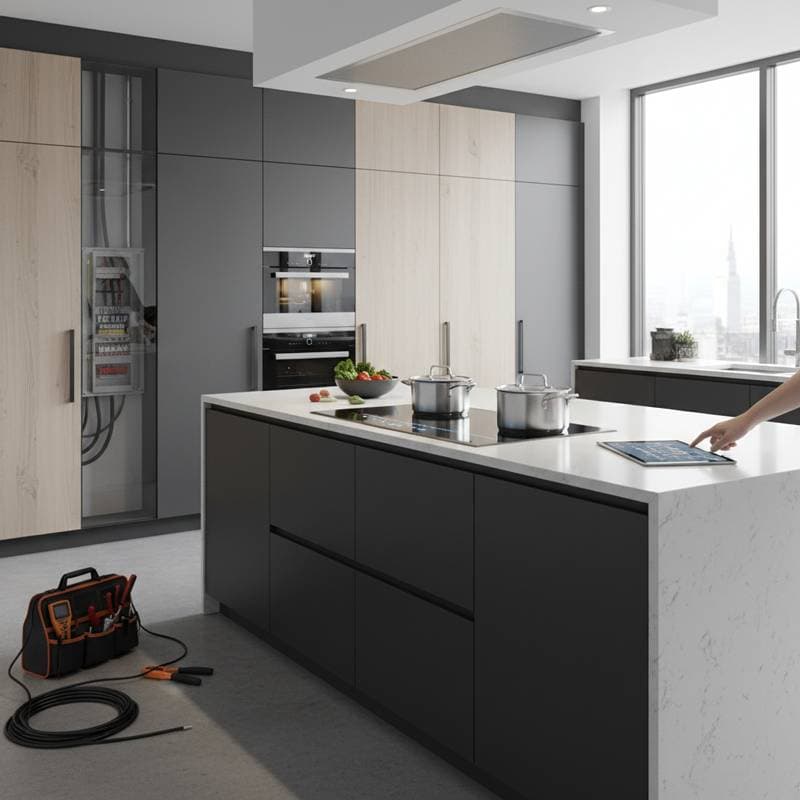
Electrical panel upgrade: $1,800 to $4,500
If your panel is outdated or undersized, it must be replaced or supplemented with a subpanel. This is often the biggest single cost besides appliances. -
New range circuit installation: $500 to $1,200
This covers the dedicated 240 volt line, breaker, wiring, and outlet for a range or cooktop. -
Additional small appliance circuits: $300 to $700 each
Kitchens require several 20 amp circuits for countertop appliances. If you are upgrading your electrical system, inspectors often require compliance with current code. -
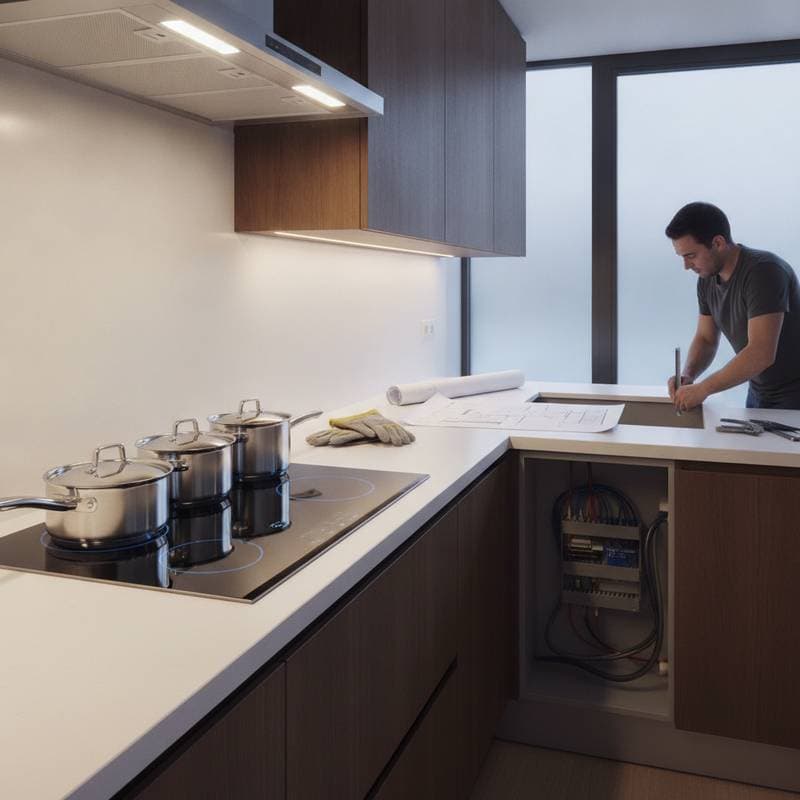
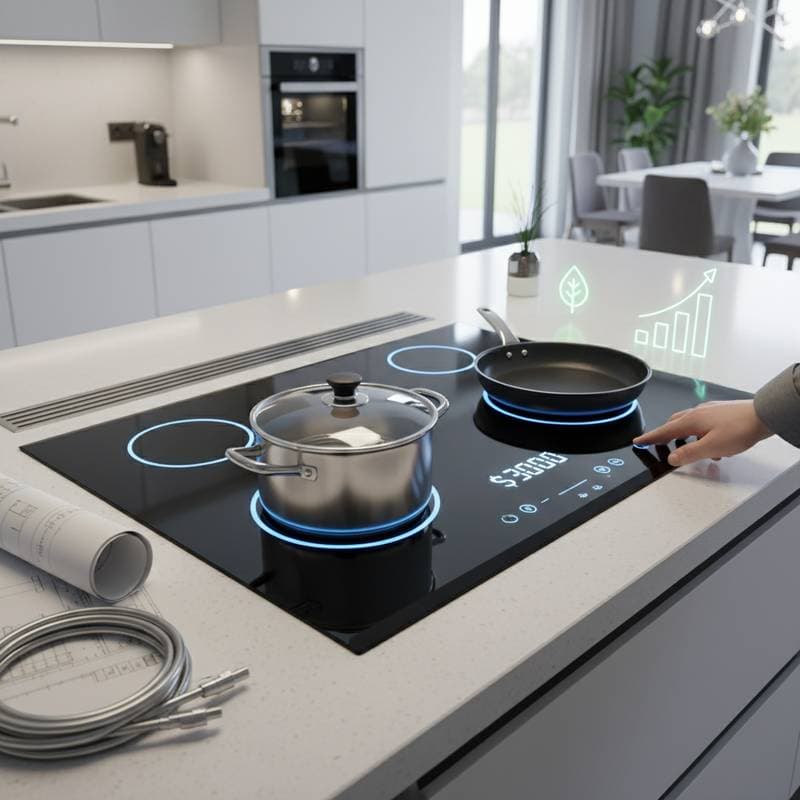
Induction cooktop or electric range: $1,000 to $3,000
Quality induction cooktops start around $1,000. Professional grade models with built in ventilation can reach $5,000 or more. -
Ventilation changes: $400 to $1,500
Electric cooking produces less combustion exhaust but still generates heat and moisture. You may need to modify or replace your range hood to match the new setup. -
Drywall, paint, and backsplash repair: $300 to $1,000
Even a small wiring route can result in several patched areas. -
Permits and inspections: $150 to $500
Costs vary by jurisdiction but should always be included in your planning.
When combined, a full electric kitchen conversion usually lands between $4,500 and $11,000, depending on the home electrical condition and appliance choices. High end projects with service upgrades and premium appliances can reach $15,000 or more.
Hidden Costs That Catch Homeowners Off Guard
Many clients are surprised by expenses that were never mentioned in early estimates. These hidden costs can turn a simple appliance swap into a complex remodel.
-
Trenching or exterior conduit runs
If your main service panel is located far from the kitchen, the electrician may need to run conduit along the exterior wall or through the attic. That labor adds up quickly. -
Panel relocation requirements
Some utilities require the main electrical panel to be relocated or upgraded before increasing service size. This can add thousands of dollars to the project. -
Structural restrictions
In older homes, joists and beams may limit where heavy gauge wiring can run. Boring new pathways through framing takes extra time and precision. -
Appliance lead times
Induction appliances sometimes have long order times. Delays can force your project schedule to stretch, which increases labor costs if your contractor has to remobilize. -
Financing and scheduling overlap
Coordinating electricians, drywallers, and painters can be tricky. Each trade has its own schedule, and waiting on one can stall the others.
Planning Steps That Save Money
A well planned conversion can stay on budget and prevent headaches. Here are steps recommended to every homeowner before signing a contract.
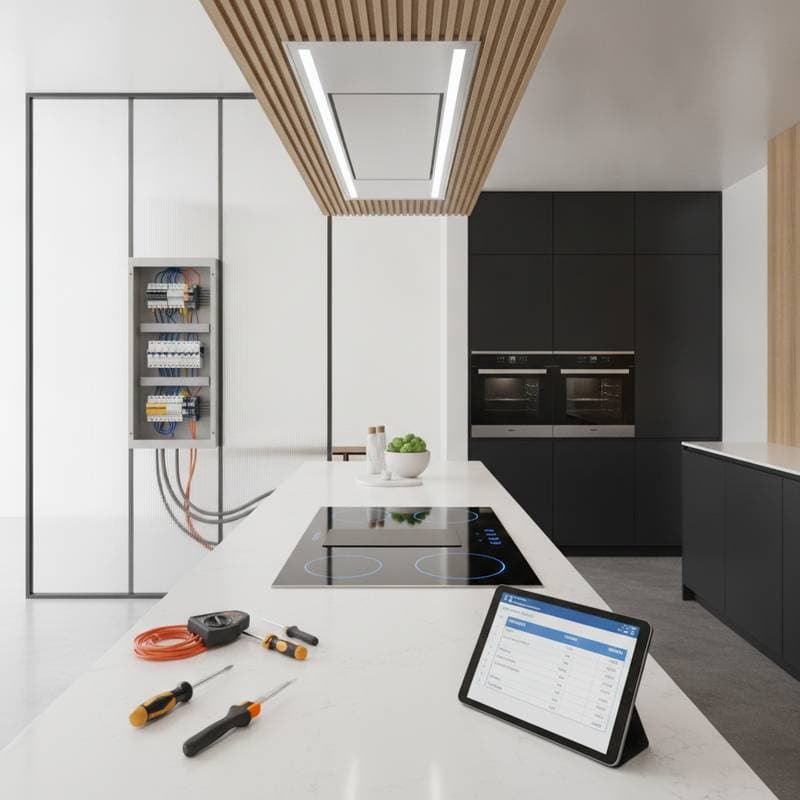
1. Get a Load Calculation from a Licensed Electrician
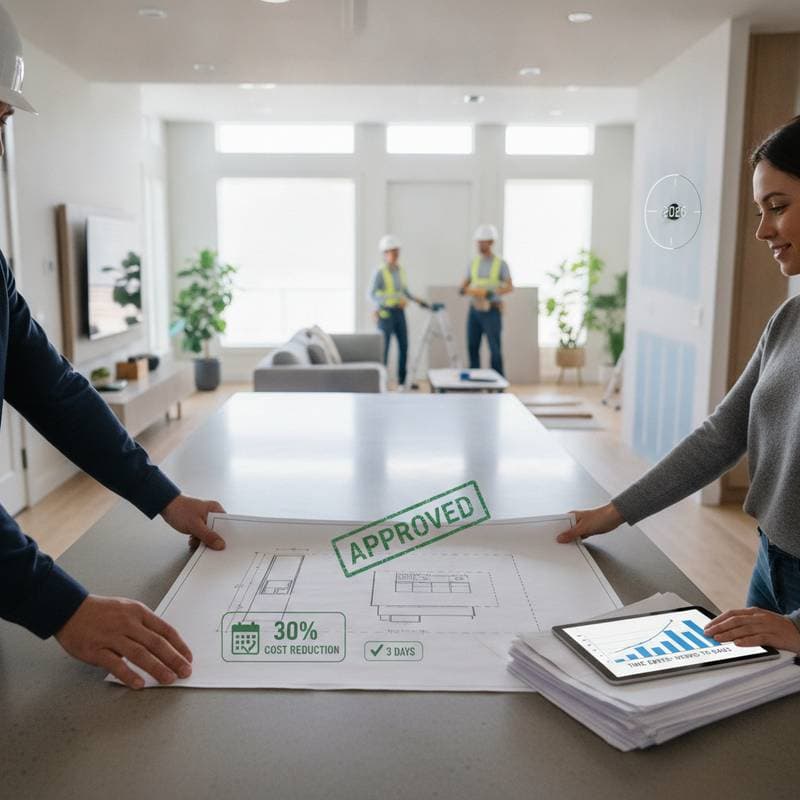
Before you buy any appliances, have your electrician perform a full load calculation on your home. This determines if your existing panel can handle the added demand. It also identifies whether you need a service upgrade before work begins.
2. Choose Appliances Early
Electric and induction appliances vary in their power requirements. A 30 inch induction cooktop might need a 40 amp circuit, while a 36 inch model could require 50 amps. Selecting your exact models early prevents expensive rework later.
3. Budget for Finish Repairs
Even careful electricians need to cut small access holes. Plan on repainting or patching afterward so the kitchen looks complete when the work is done.
4. Check Permit Requirements
Electrical permits are mandatory for this kind of work. Make sure your contractor includes all permit and inspection costs in the estimate. Doing unpermitted electrical work can void insurance coverage and create issues during resale.
5. Ask for a Written Scope of Work
Get everything in writing, including which appliances will be connected, what upgrades are included, and what patching or finish work will be completed. This prevents confusion and keeps both parties accountable.
Common Mistakes Homeowners Make
Even with good intentions, some homeowners make decisions that end up costing more in the long run.
-
Skipping the load calculation
Guessing at electrical capacity can lead to tripped breakers or failed inspections. Always verify before buying appliances. -
Hiring unlicensed electricians
Cheaper labor may seem appealing, but unlicensed work can create safety hazards and legal trouble. Always verify credentials. -
Ignoring ventilation
Electric and induction cooking still produce steam and grease. A properly sized hood is essential to prevent moisture damage. -
Underestimating repair costs
Cutting drywall, patching tile, and repainting all take time and money. Include those line items from the start. -
Buying appliances before verifying dimensions
Some induction cooktops are slightly wider or deeper than gas units. Without checking measurements, you can end up with countertop gaps or cabinet modifications.
How Induction Changes the Cooking Experience
From a contractor perspective, induction is one of the best upgrades you can make. It heats faster, cools down quickly, and keeps the kitchen temperature lower. Clients often report that their energy bills drop slightly after converting. The main learning curve is adjusting to cookware compatibility. Induction requires magnetic bottom pans, so aluminum or copper without a steel layer will not work.
It is also worth noting that induction units require precise electrical connections. Loose wiring or undersized circuits can damage the electronics. This is another reason to hire a professional electrician rather than attempting a DIY installation.
Executing Your Electric Conversion
An electric kitchen conversion is not just a plug and play swap. It is a small construction project that touches electrical, mechanical, and finish systems. When planned correctly, the results are cleaner, safer, and often more efficient than gas.
If you are considering this upgrade, start by assessing your electrical capacity and getting a few bids from licensed electricians. Compare not only the prices but also the thoroughness of their load calculations and written scopes.
Think of the upfront cost as a long term investment. You are modernizing your home infrastructure, improving safety, and positioning your kitchen for future appliance technology.