
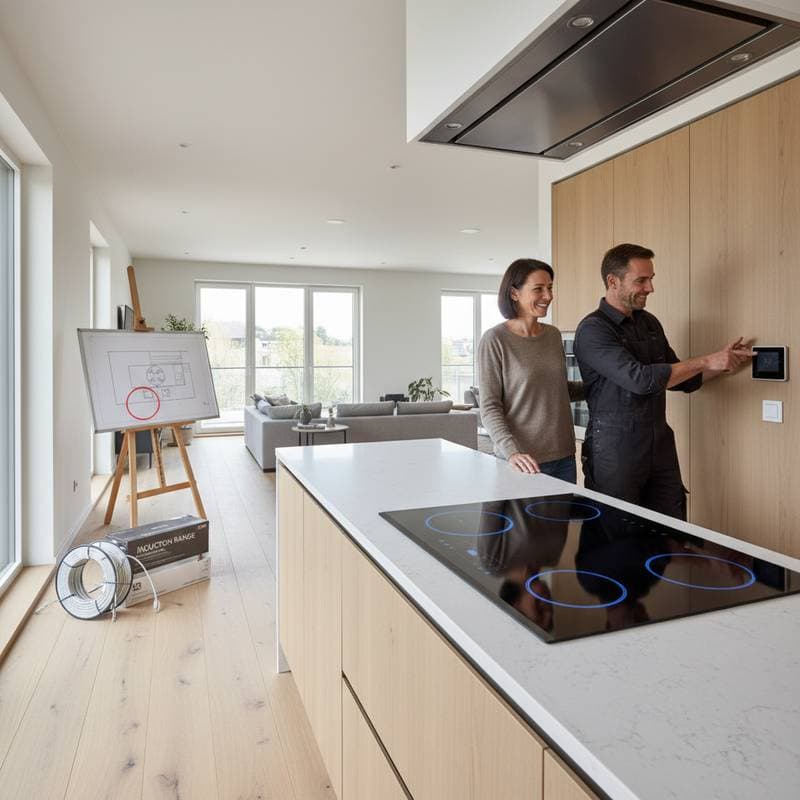
Why Gas Stoves Are Being Phased Out in 2026 Remodels
With gas bans approaching, induction kitchens offer a reliable path forward.
By Jerry Hilliard
5 min read
With gas bans approaching, induction kitchens offer a reliable path forward.
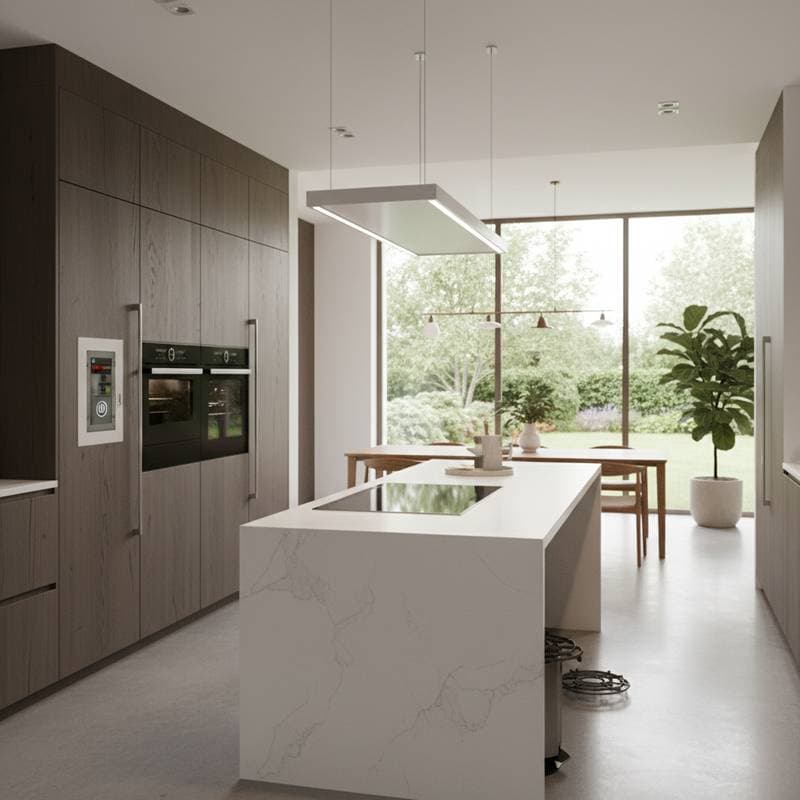
The 2026 mandate requires a shift to induction cooking, phasing out gas stoves in many regions. This change demands electrical upgrades, code adherence, and proactive planning. Homeowners who act early avoid disruptions, enhance safety, boost efficiency, and secure their homes for an electric future.
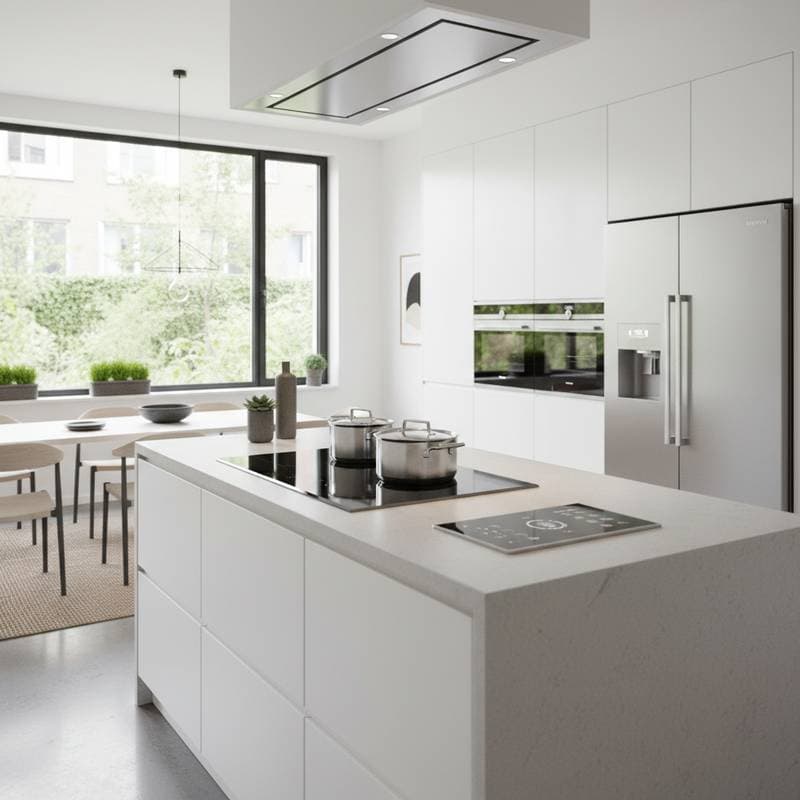
Induction cooktops are transforming 2025 kitchens by combining precise heat control, enhanced safety, and eco-friendly performance with elegant, easy-to-maintain designs. This shift from traditional gas cooking prioritizes efficiency and style, integrating seamlessly into smart homes and sustainable lifestyles.
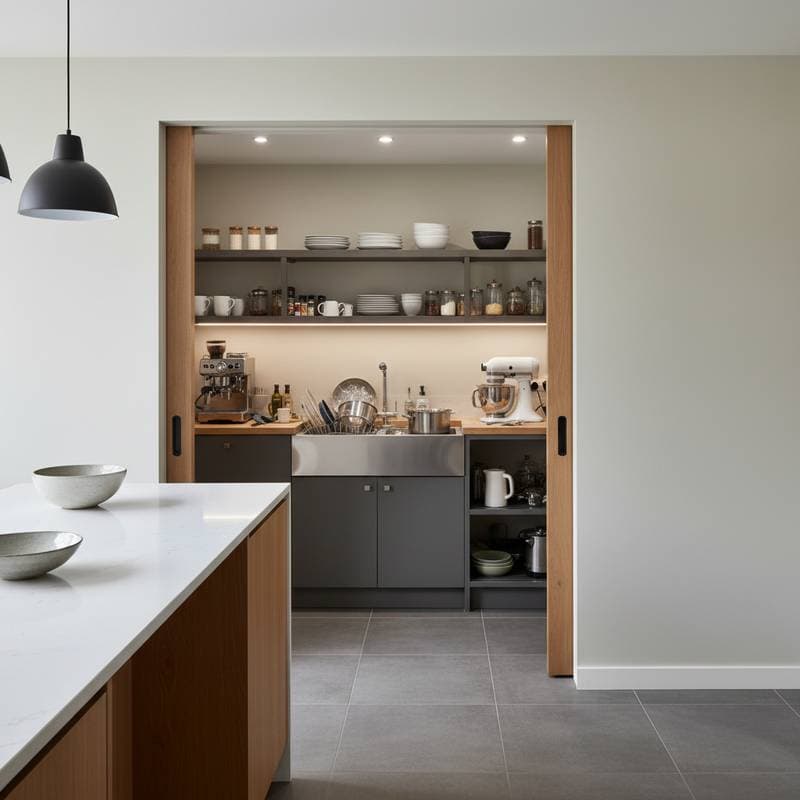
Scullery kitchens are experiencing a resurgence as versatile hidden prep areas that integrate functionality, elegance, and innovation. These secondary spaces maintain pristine main kitchens during entertaining while enhancing storage and design options, suitable for homes of any size or budget.
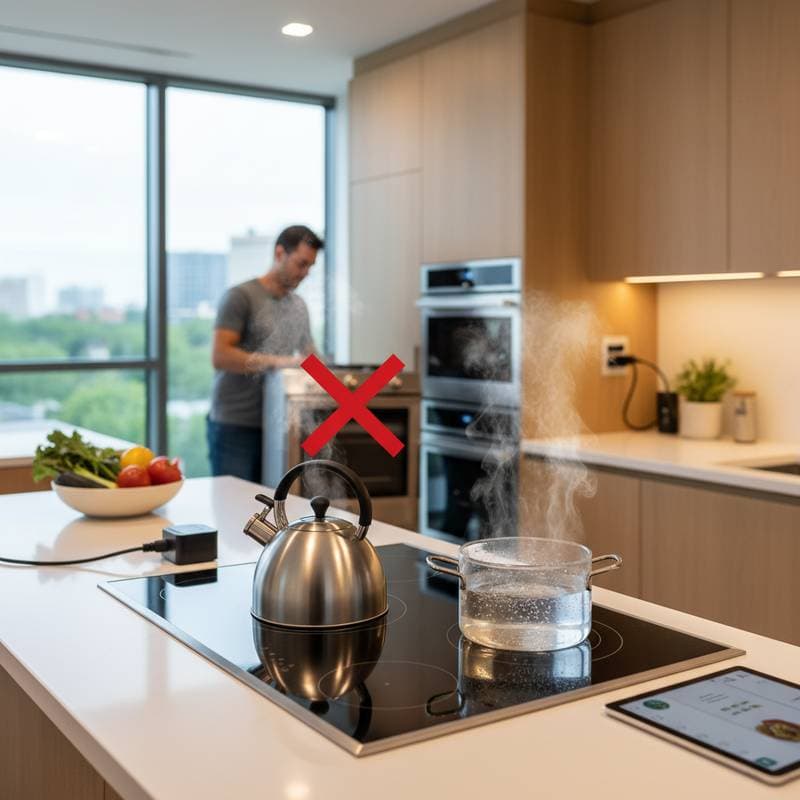
Induction cooking surpasses gas with rapid heating, superior safety, and eco-friendly operation. This guide details seamless transitions, model selections, and budget tips to modernize your kitchen with performance and elegance.
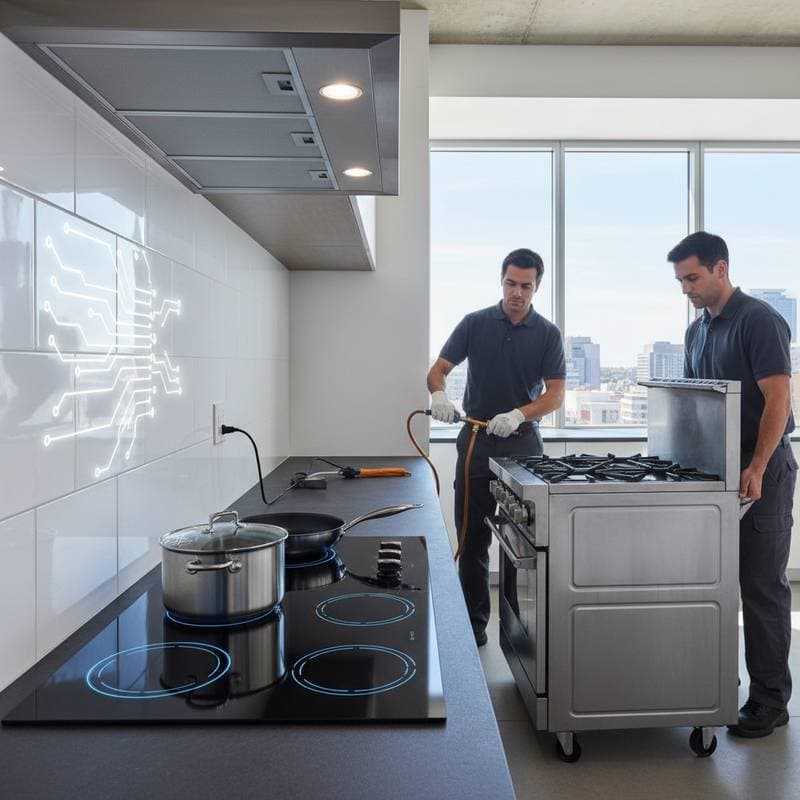
Induction cooking transforms kitchens by providing faster, safer, and more efficient alternatives to gas stoves. This technology enhances air quality, cuts energy waste, and increases property appeal. Homeowners gain precise control, effortless maintenance, and long-term savings with this forward-thinking option.
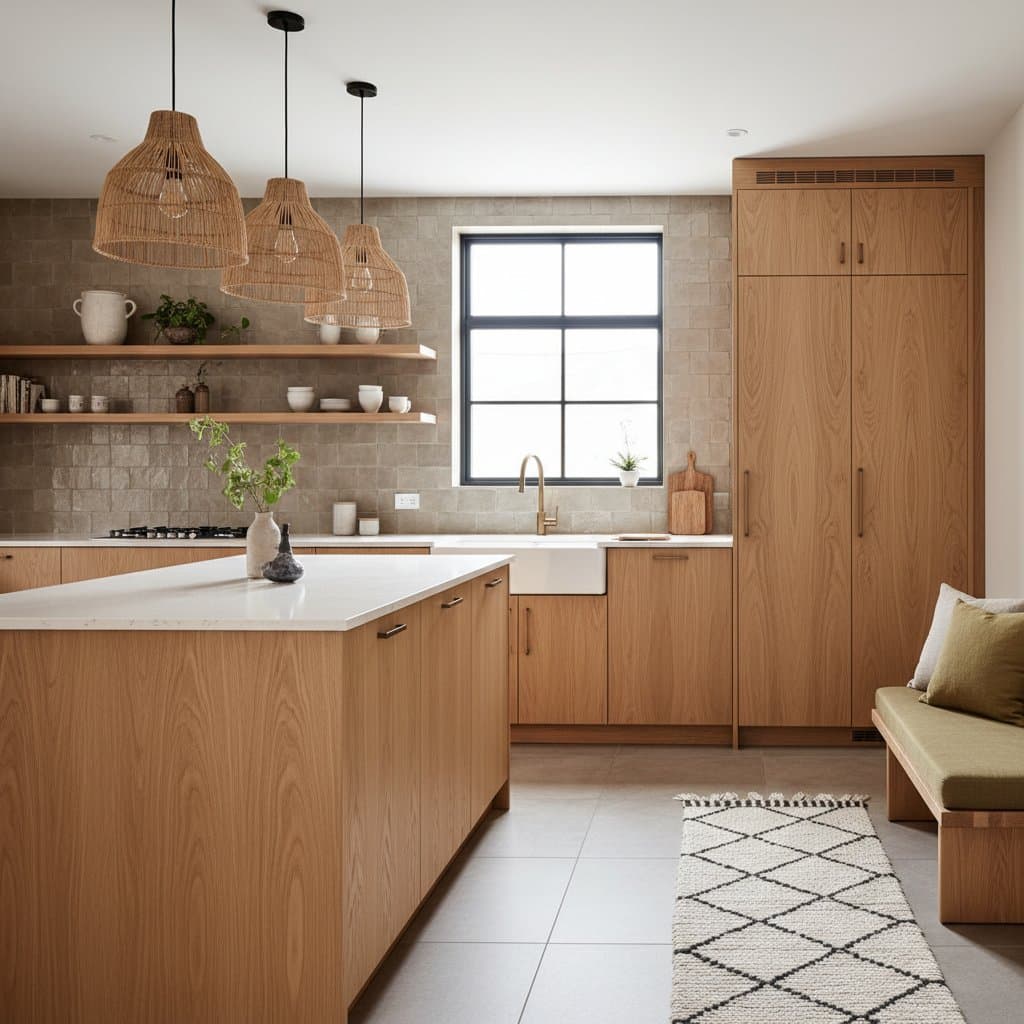
Japandi kitchens move beyond stark white minimalism toward warm wood tones, subtle neutrals, and organic textures. This warm minimalism approach honors imperfection, skilled craftsmanship, and gentle lighting to craft peaceful, human-focused spaces amid modern overstimulation.
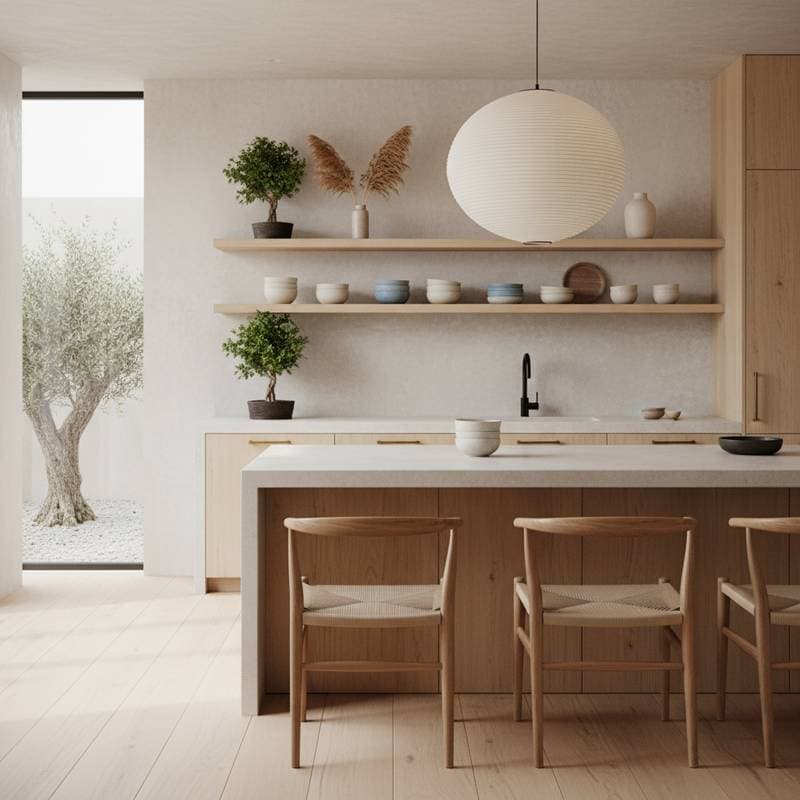
Japandi kitchens fuse Japanese tranquility and Scandinavian coziness, reimagining minimalism for 2025. Emphasizing natural elements, neutral palettes, and purposeful layouts, this style delivers calming, sustainable spaces adaptable to any budget and home.
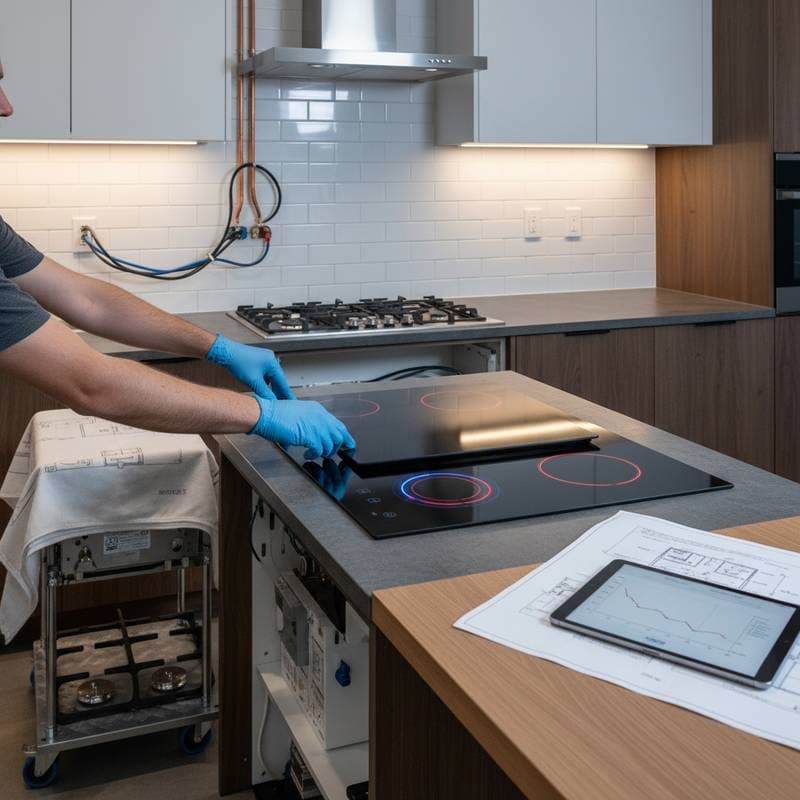
As 2025 nears, induction cooktops emerge as the superior alternative to gas stoves, delivering 85% less energy waste, enhanced safety, and precise control. This guide covers the reasons for the transition, step-by-step planning, cost breakdowns, and long-term benefits for healthier, eco-conscious homes.
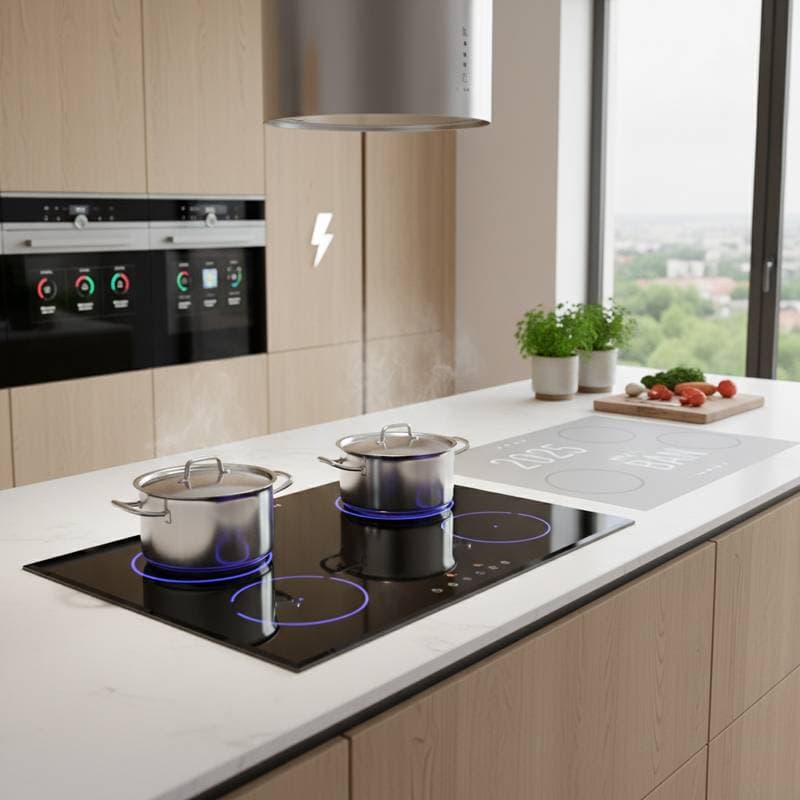
As 2025 approaches, gas stoves face phase-out due to regulations targeting indoor pollution and inefficiency. Induction cooking emerges as the superior alternative, delivering rapid heating, precise control, and healthier air quality. This transition equips kitchens for sustainability and enhanced performance in an electrified era.
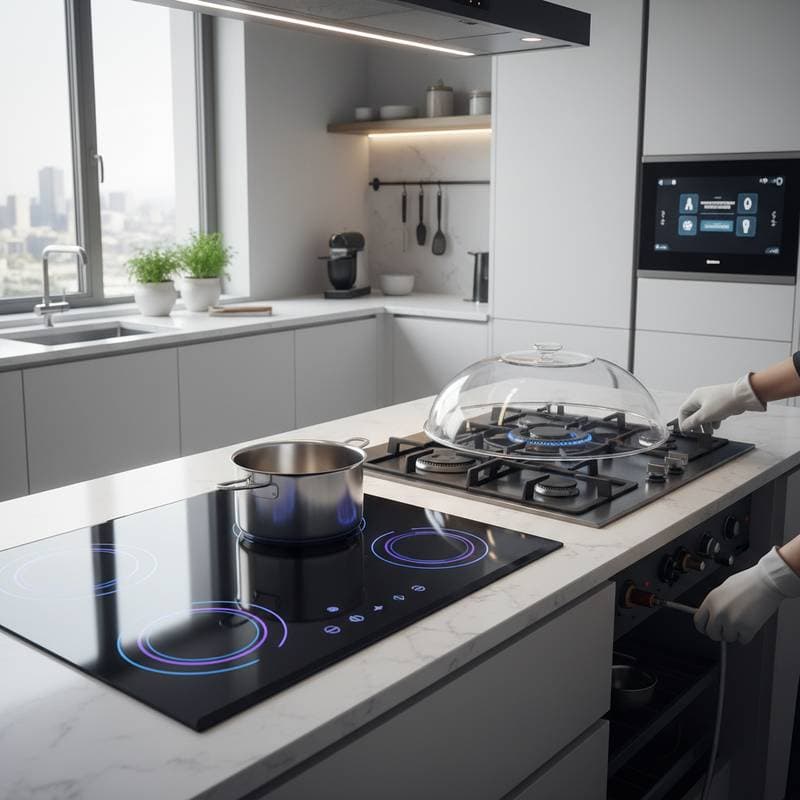
Induction cooktops are transforming kitchens by replacing outdated gas stoves. With superior energy efficiency, enhanced safety, and supportive regulations, this transition offers long-term benefits. This comprehensive guide details the technology, costs, installation process, and practical tips to facilitate a seamless upgrade.
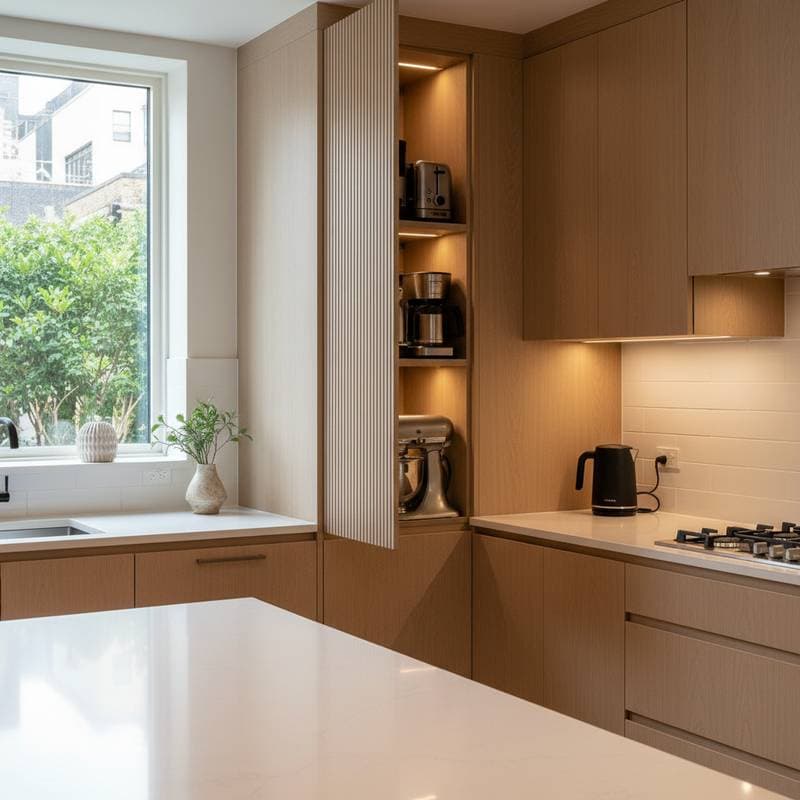
Appliance garages are experiencing a stylish revival in 2025, providing clutter-free counters and efficient kitchen organization. These concealed storage units combine practicality with contemporary aesthetics, safeguarding surfaces and streamlining daily tasks. Options like lift-up doors and corner units offer seamless integration, elevating usability and property appeal through strategic design.
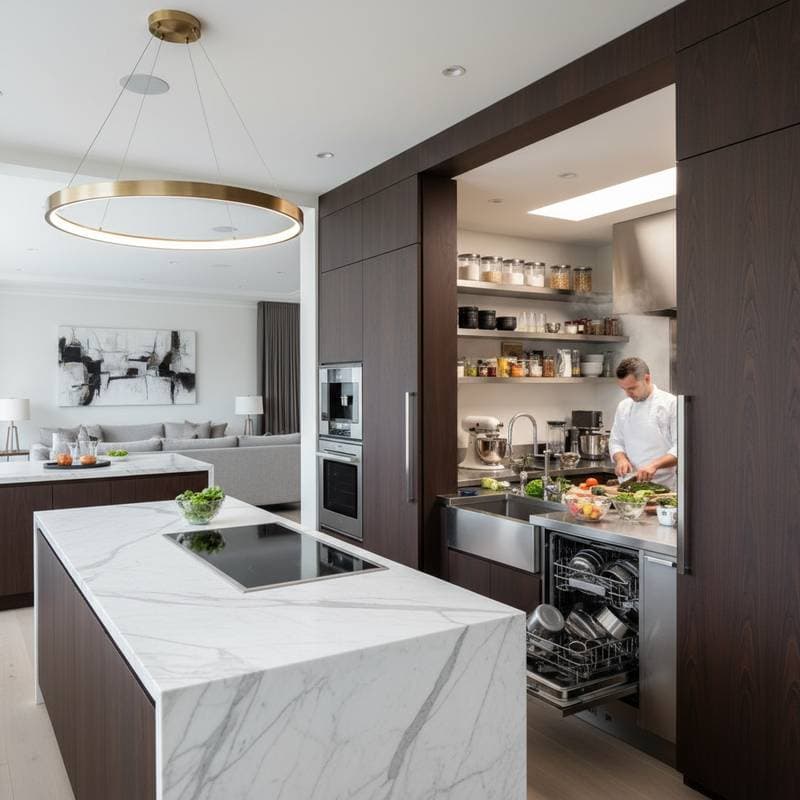
Open-concept designs promote seamless living until cooking chaos ensues. A scullery kitchen offers a discreet prep area that conceals clutter, odors, and noise, ensuring the primary space remains inviting. This guide details essential elements, design principles, and insights from experienced builders to help you implement one effectively.
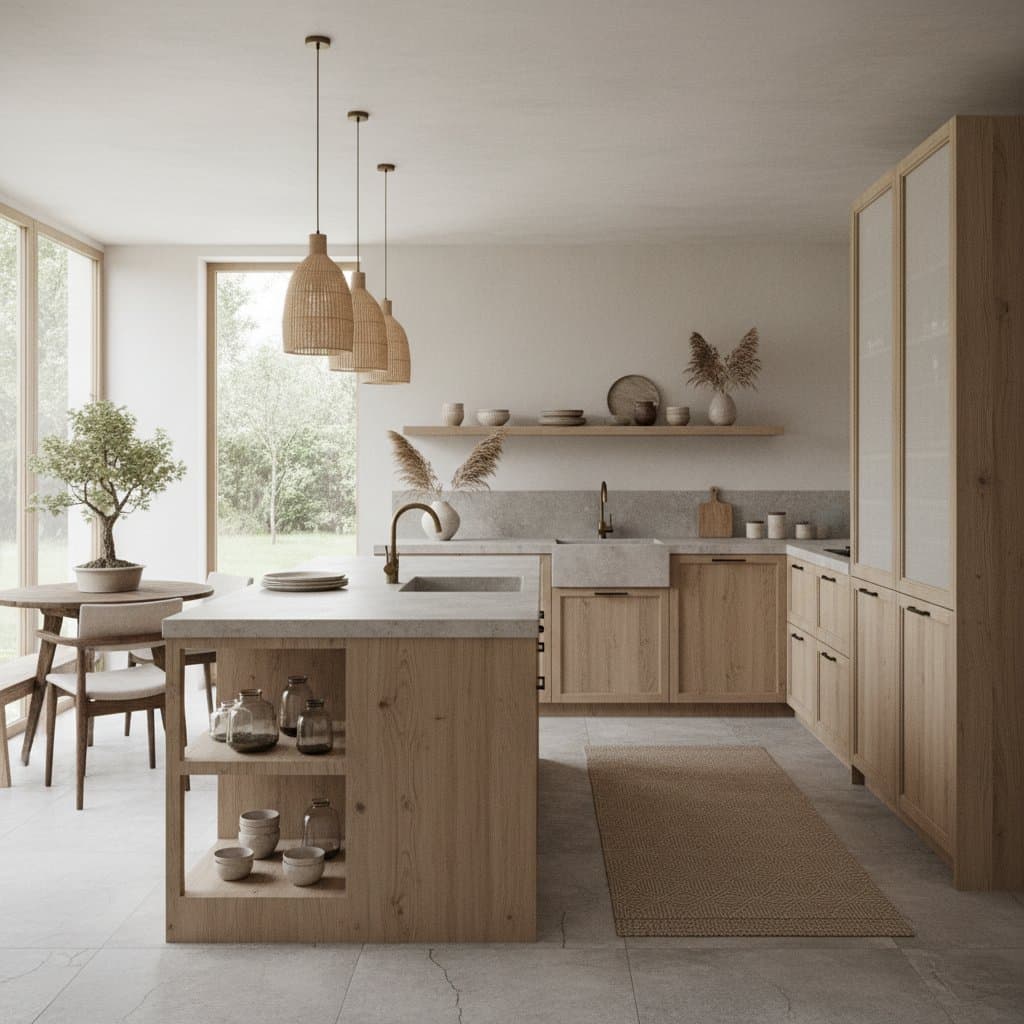
Japandi Wabi-Sabi emerges as a defining force in 2025 kitchen design, fusing Japanese minimalism and Scandinavian warmth to create spaces that honor imperfection, natural elements, and sustainable practices. This approach turns kitchens into tranquil retreats. Readers will find practical guidance to implement this style across various budgets, emphasizing intentional choices in materials, colors, and layouts for enduring appeal.
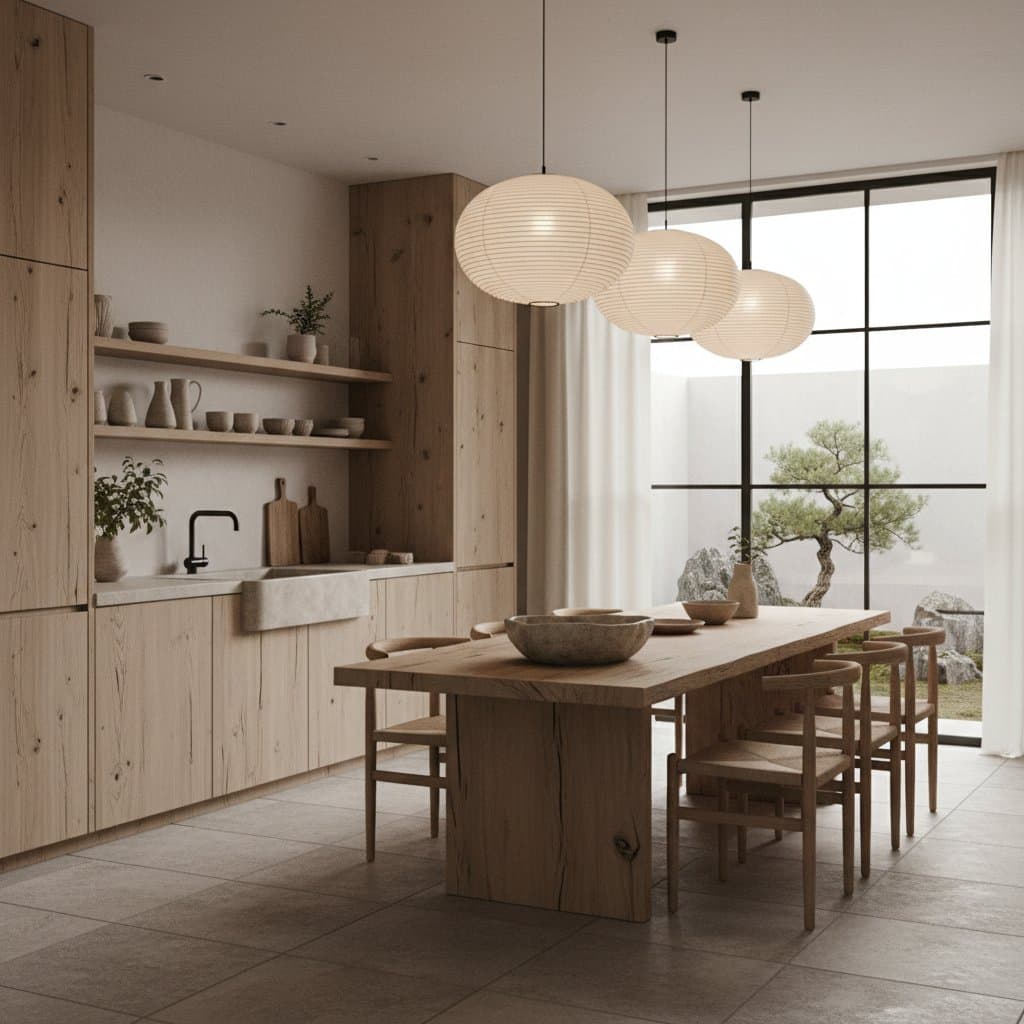
In 2025, Japandi Wabi-Sabi emerges as the leading kitchen design trend, merging Japanese minimalism, Scandinavian functionality, and the philosophy of imperfection. Natural materials, subtle lighting, and artisanal elements foster serene, practical spaces that embody authenticity and longevity. This sustainable approach demonstrates that elegance flourishes in restraint, rendering thoughtful design attainable across budgets.
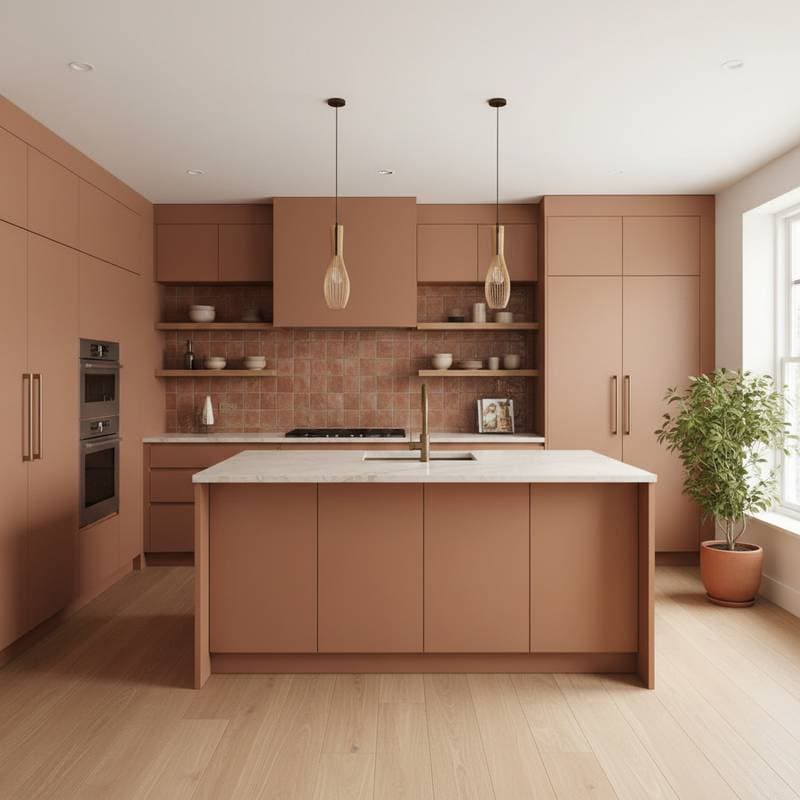
As white kitchens lose their dominance, terracotta rises as the 2025 essential. This warm, earthy color delivers depth, coziness, and resilience against daily use. Integrate it through cabinets, tiles, or accents to pair seamlessly with natural elements, yielding versatile, budget-friendly designs that foster inviting and grounded atmospheres.
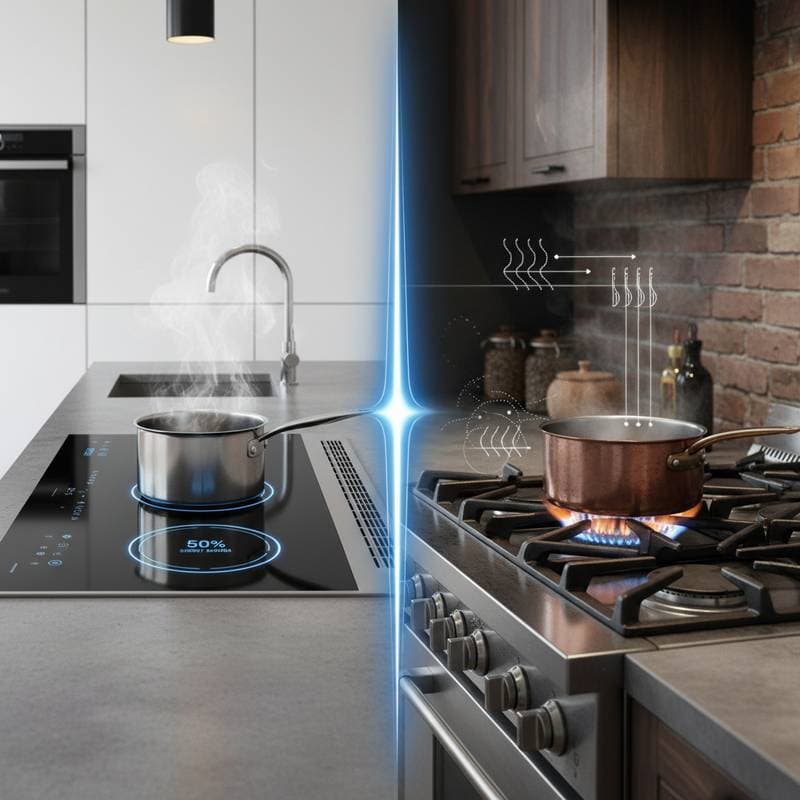
In the 2025 kitchen debate, induction cooktops deliver superior efficiency and reduced energy use compared to gas. This analysis covers energy savings, cooking speed, safety features, and design integration to help you decide on the optimal choice for your home.
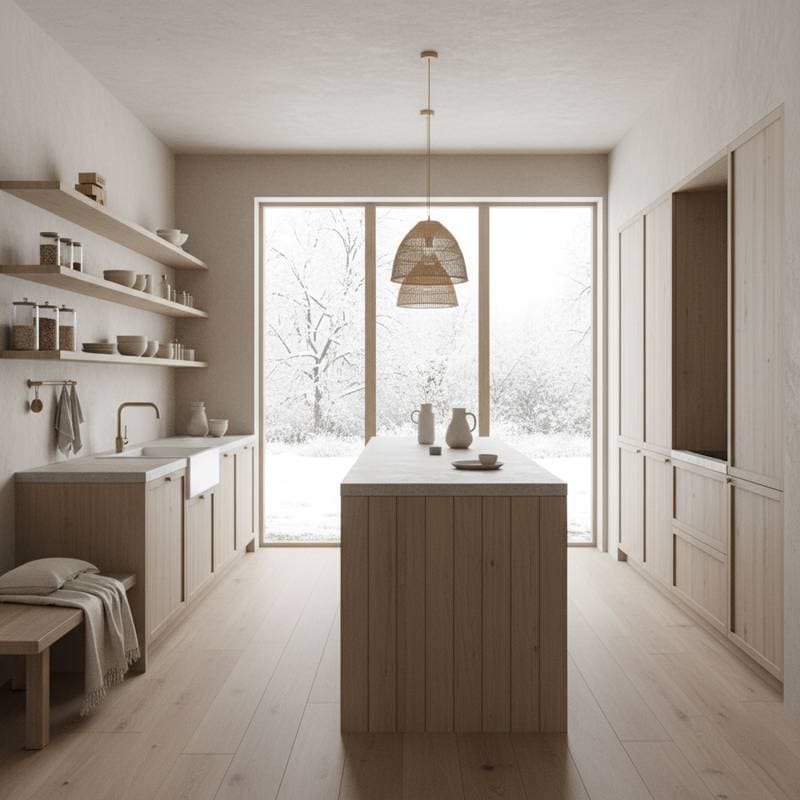
Japandi kitchens fuse Japanese minimalism and Scandinavian hygge to shape 2025 design trends. Neutral tones, natural woods, and sustainable elements craft serene, practical havens. Open shelving, textured details, and purposeful lighting emphasize imperfection, longevity, and mindful living at the home's core.
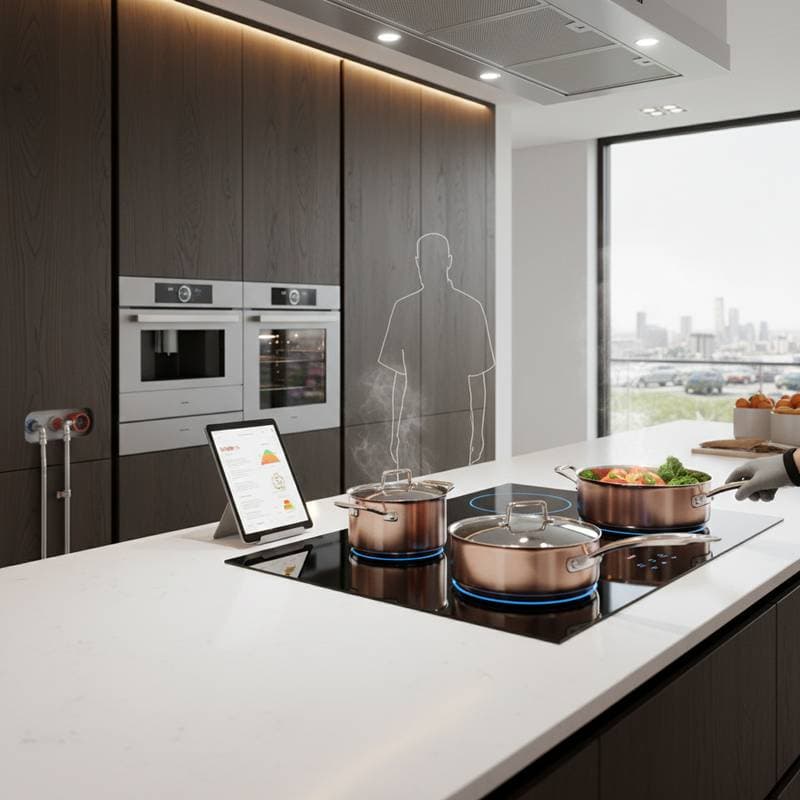
Induction cooking transforms modern kitchens through superior speed, enhanced safety, and strong sustainability. It offers energy efficiency, better air quality, and sleek smart designs that outperform gas in both function and style. With accessible options across budgets, induction stands as the innovative choice for homeowners and professionals in 2025.
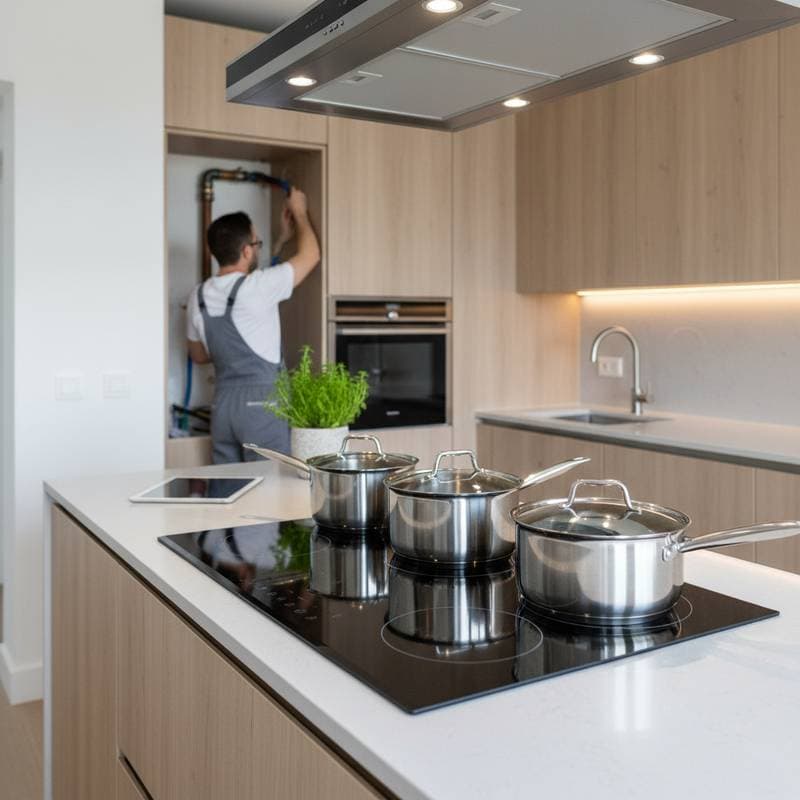
With gas bans influencing building codes nationwide, induction retrofits provide homeowners a superior alternative that prioritizes safety, precision, and efficiency. This comprehensive guide details the retrofit process, common pitfalls to avoid, and strategies to optimize your kitchen for modern, sustainable cooking.