Why Wet Rooms Surpass Traditional Showers in Modern Design
Bathrooms serve as sanctuaries for daily renewal. Design choices in these spaces reveal preferences for comfort, seclusion, and routine. The increasing adoption of wet rooms over enclosed showers marks a profound shift in interior trends. This evolution focuses on enhancing the interplay of water, space, and illumination in residential settings.
Redefining Luxury Through Open Spaces
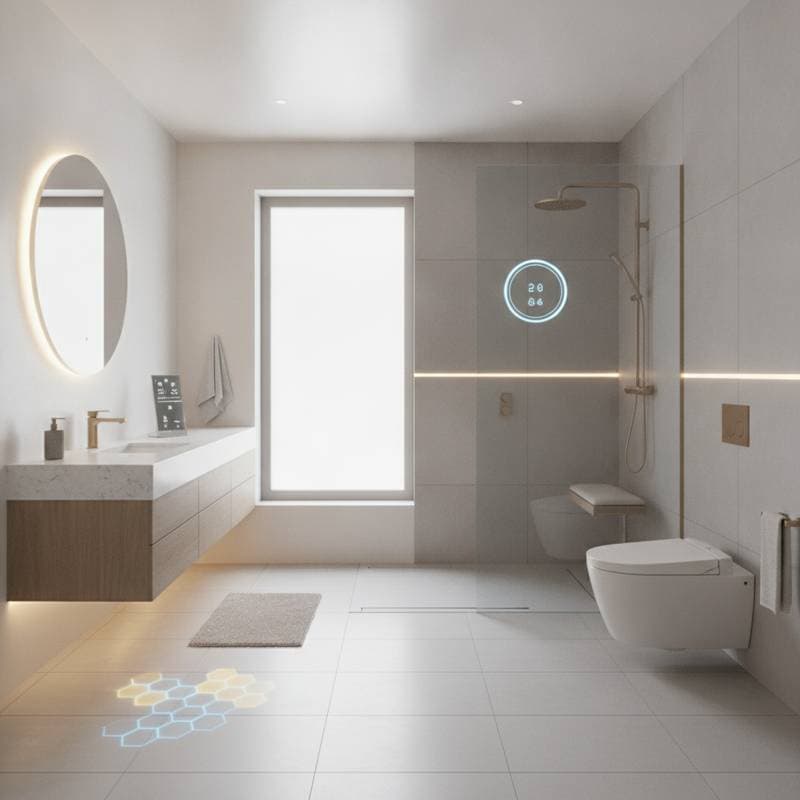
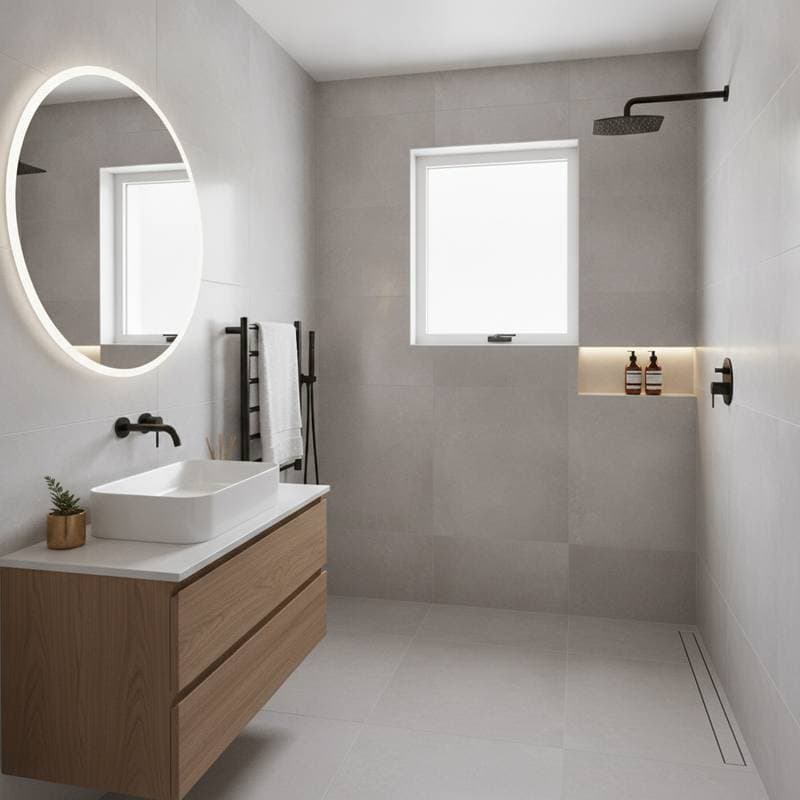
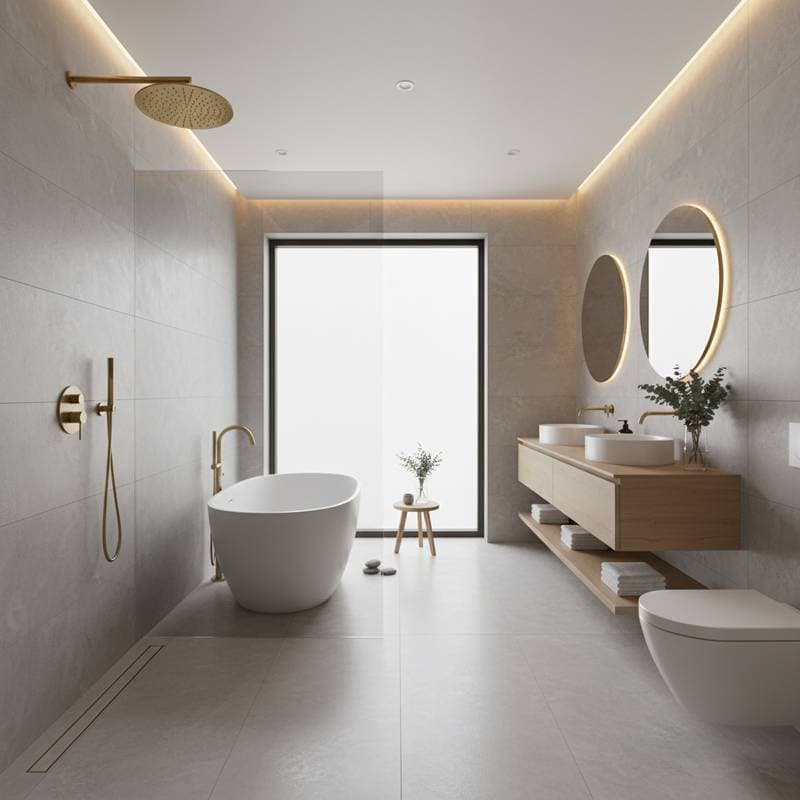
Contemporary wet rooms project understated elegance suitable for urban dwellings or seaside estates. Designers like Kelly Hoppen favor these open bathing areas for their tranquil, neutral schemes. Without doors or walls, the design fosters an expansive feel. The bathroom evolves into a unified retreat rather than segmented areas.
Continuous tiling from floor to ceiling ensures a fluid appearance. Materials such as polished limestone, veined marble, or oversized porcelain from Porcelanosa form a unified surface. Even modest spaces gain perceived depth without glass barriers or platforms. Elements like polished chrome rainfall showers or hidden linear drains from Infinity Drain add polished restraint to premium installations.
Enhancing Spatial Flow and Serenity
Enclosed showers fragment bathroom visuals. Wet rooms integrate utility with openness, allowing lines of sight to extend freely. Architect John Pawson emphasizes simplicity's calming influence, which wet rooms embody. The full area functions as a blank slate where textures and scales interact harmoniously.
Frameless glass, when incorporated, blends seamlessly. Subtle floor inclines direct water to discreet drains, preserving safety and grace. Options like soft gray microcement or subdued terrazzo distribute light evenly, promoting peace. Material uniformity simplifies upkeep by reducing seams and crevices.
Engineering Excellence Underpinning Aesthetics
The visual allure of wet rooms relies on exacting preparation. Waterproofing, termed tanking, forms the foundation. Specialists from firms like Water Matrix Systems seal layers from substrate to adhesive. Strategic slopes prevent water accumulation while ensuring swift drainage. Radiant floor heating under tile or stone hastens evaporation and curbs dampness.
Close coordination among designers, builders, and plumbers yields these results. Such meticulous work parallels intricate building techniques. Proper implementation delivers spaces that appear intuitive yet operate with reliability.
Promoting Accessibility and Inclusive Design
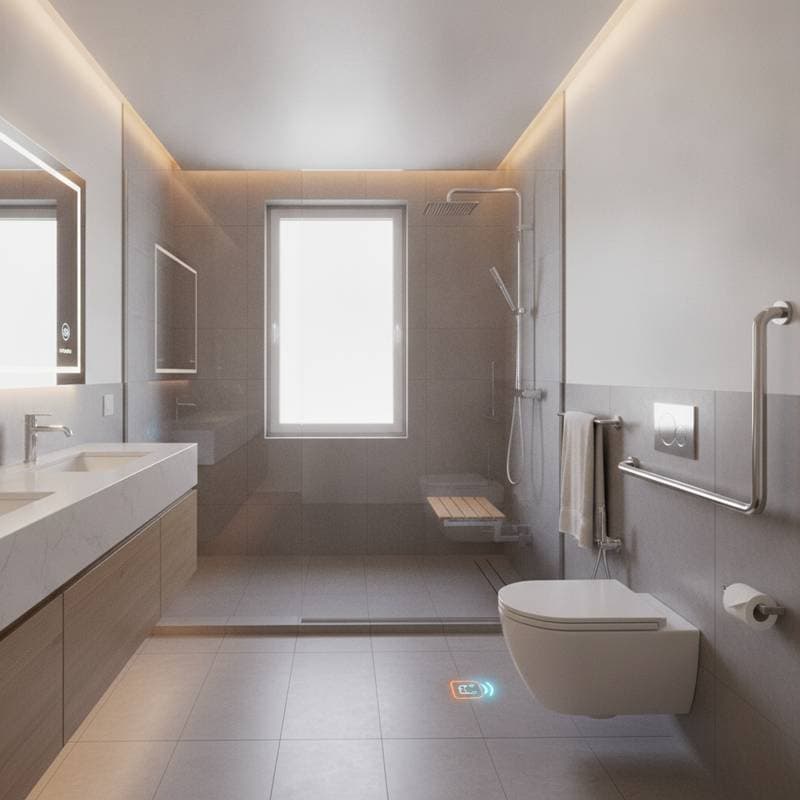
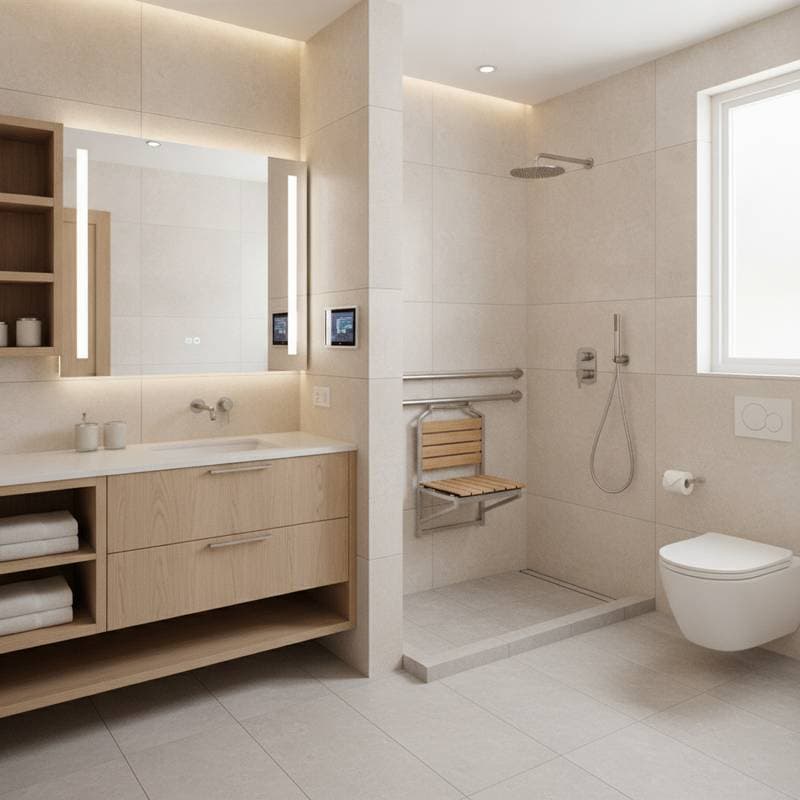
Wet rooms appeal through built-in usability. Flush entrances remove steps, facilitating navigation for all users. This aligns with universal design principles that merge form and function. Older residents value grippy surfaces and unobstructed paths, while families appreciate straightforward maintenance and versatility.
Practices from studios like Studio McGee and Banda Property embed these elements in forward-thinking residences. Adaptable layouts accommodate evolving requirements without compromising visuals. These choices foster autonomy alongside sophistication.
Unleashing Creativity with Materials
Wet rooms provide platforms for material innovation. Freed from enclosure frames, surfaces allow bold juxtapositions. Consider pairings of dark slate against creamy plaster, or intricate Moroccan zellige tiles adjacent to satin brass hardware from Waterworks. Every element contributes to an overarching narrative.
Shades like Farrow & Ball's "Skimming Stone" or Benjamin Moore's "Classic Gray" offer neutral foundations that highlight organics. Textured limewash or polished plaster walls amplify touch. Grout selections subtly guide spatial dynamics, elevating functional aspects to artistic statements.
Integrating Sustainability into Elegance
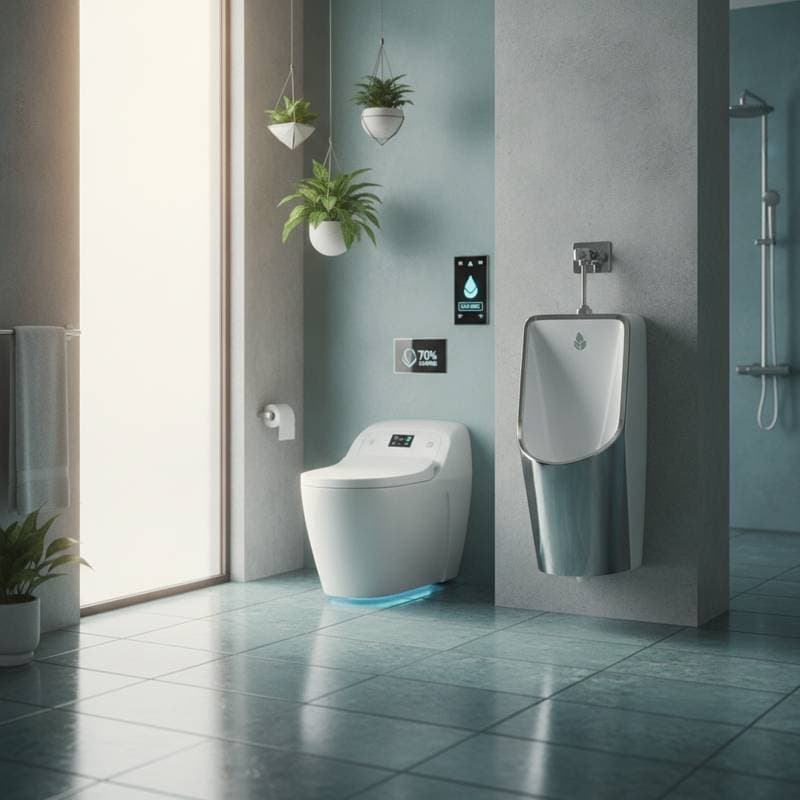
Environmental factors drive wet room popularity. Reduced barriers conserve resources, and selections often include certified ceramics, reclaimed aggregates, and efficient fittings. Grohe and Dornbracht offer aerated heads that deliver robust flow with lower usage. Open configurations support airflow, lessening reliance on powered vents.
Thoughtful systems paired with ethical choices embody conscientious opulence. These designs indulge senses while respecting ecological limits.
Crafting Immersive Sensory Environments
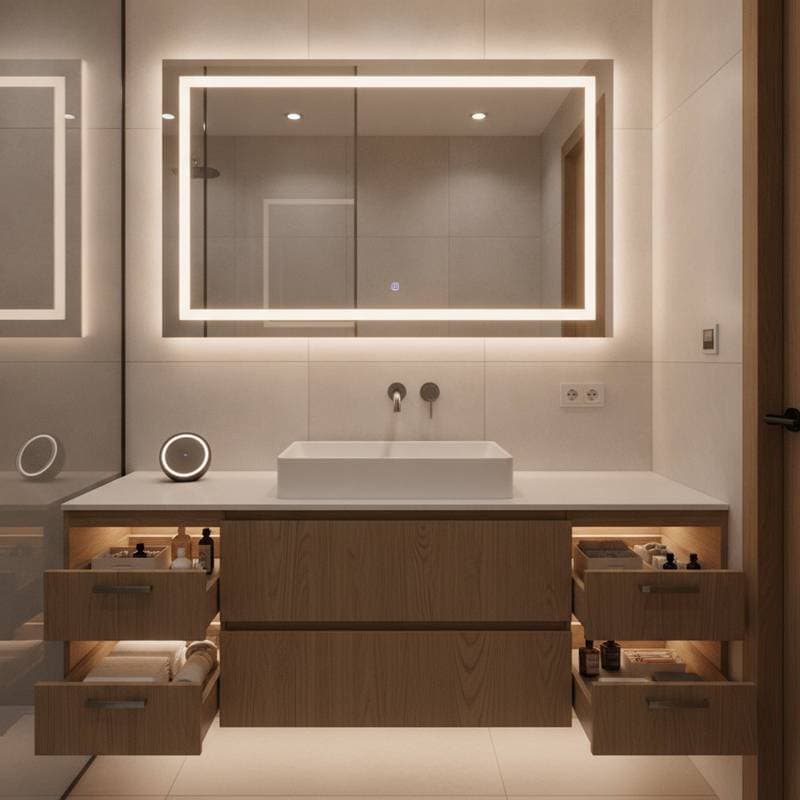
Superior wet rooms engage on emotional levels beyond utility. Entering a luminous, expansive area induces relaxation akin to professional spas. Strategic lighting enhances this: recessed LEDs under vanities or along mirrors produce gentle glows. Combined with diffused daylight through opaque panels, the ambiance restores equilibrium.
Sound design influences mood as well. Water meeting stone generates soothing cascades. Materials like sealed wood trims or fabric inserts dampen reverberations. These details elevate washing to a mindful practice.
Envisioning Tomorrow's Bathroom Innovations
Wet rooms herald changes in home architecture. These areas transcend mere service roles to become lifestyle extensions. Blends of organics, bold hardware, and fluid plans respond to demands for cohesive interiors. Professionals craft environments that soothe and integrate seamlessly.
Realizing the Benefits of Your Wet Room
Selecting a wet room demands strategic foresight, expert execution, and attention to nuances. The outcomes endure: boundless vistas, premium tactile encounters, and seamless operations. Homeowners embarking on updates find wet rooms provide enduring harmony of form, ease, and resilience.