2026 Marks the Rise of All-Electric Induction Kitchens
The kitchen is changing faster than any other room in the house. Gas lines are disappearing, and sleek glass cooktops are taking their place. Homeowners are discovering that all-electric induction kitchens represent a major shift in how people cook, build, and live.
Limitations of Traditional Gas Kitchens
For decades, gas stoves were considered the gold standard of cooking performance. People liked the visible flame and the sense of control it gave them. What most homeowners did not realize was how much that flame cost them in practice.
Gas ranges waste substantial energy, release harmful combustion byproducts into the home, and require expensive ventilation systems to keep indoor air safe. During a remodel, these issues become even clearer. Running gas lines, meeting local safety codes, and ensuring proper venting all add up. Every new connection increases the chance of leaks, and outdated fittings can create real safety hazards.
How Induction Technology Works
Induction cooking uses magnetic energy to heat the cookware directly instead of the air around it. The surface stays cool to the touch, and the heat goes straight into the pan. This method is faster, cleaner, and much more efficient than gas or standard electric coils.
From a contractor perspective, induction systems simplify design and installation. There is no need for gas lines, pressure tests, or special ventilation. Electrical upgrades are straightforward, and the cooktops themselves integrate smoothly into almost any countertop material.
Homeowners typically appreciate these advantages once they switch:
- Speed and precision. Induction heats pans almost instantly, cutting cooking times dramatically. Users can boil water in half the time of a gas burner and maintain a steady simmer without constant adjustment.
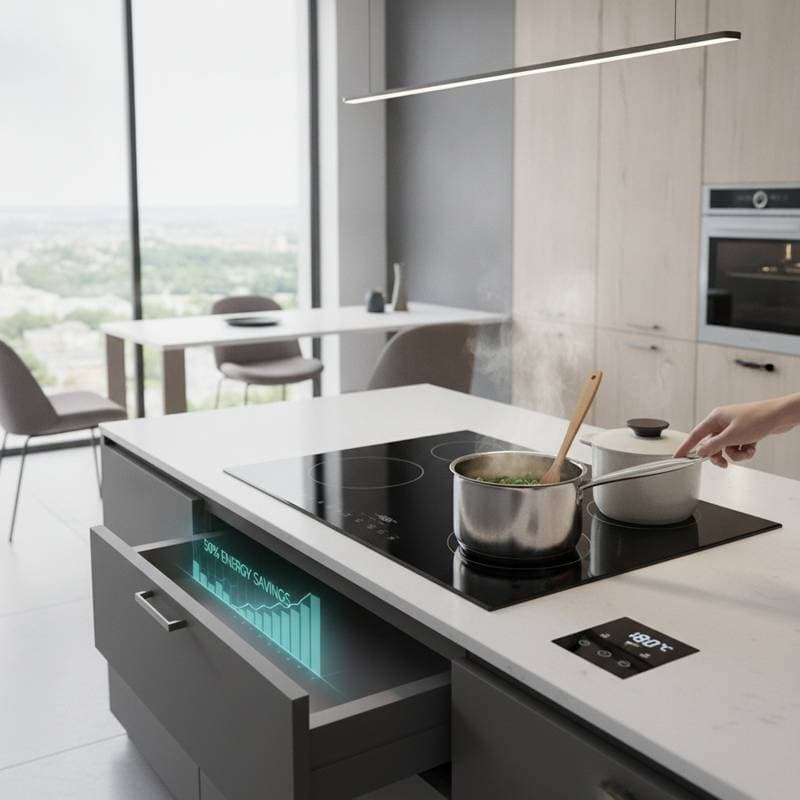
- Energy efficiency. Heat transfers directly to the cookware, so little energy is lost. That means lower utility bills and less strain on the home electrical system.
- Safety features. The cooktop surface does not get hot, and it shuts off automatically when cookware is removed. This feature alone has convinced many parents and older homeowners to choose induction.
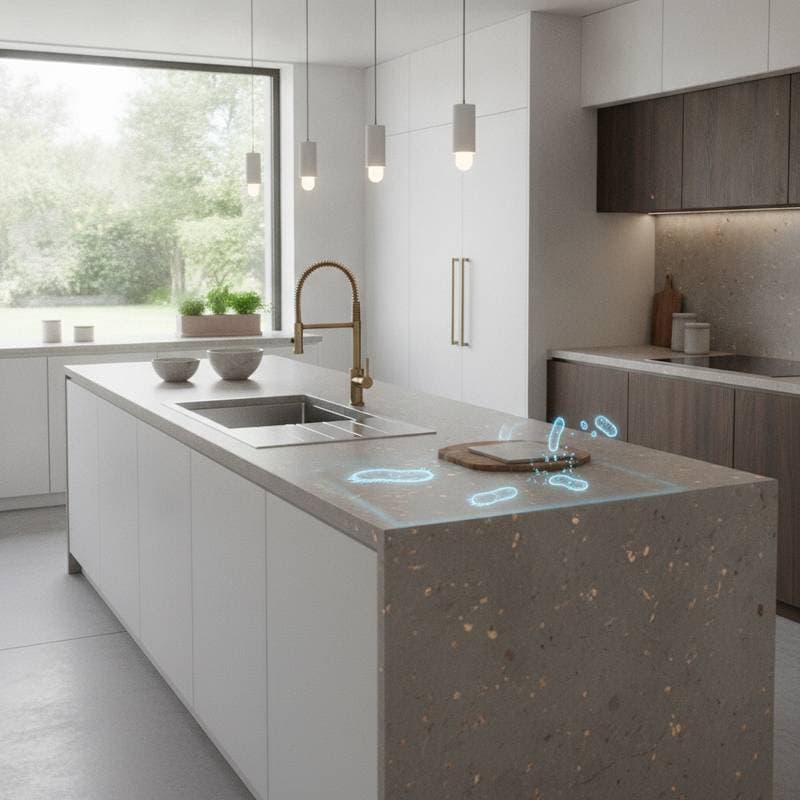
- Cleaner air and maintenance. There is no open flame or combustion, so kitchen air stays cleaner. The flat glass surface wipes down in seconds with no grates or burners to take apart.
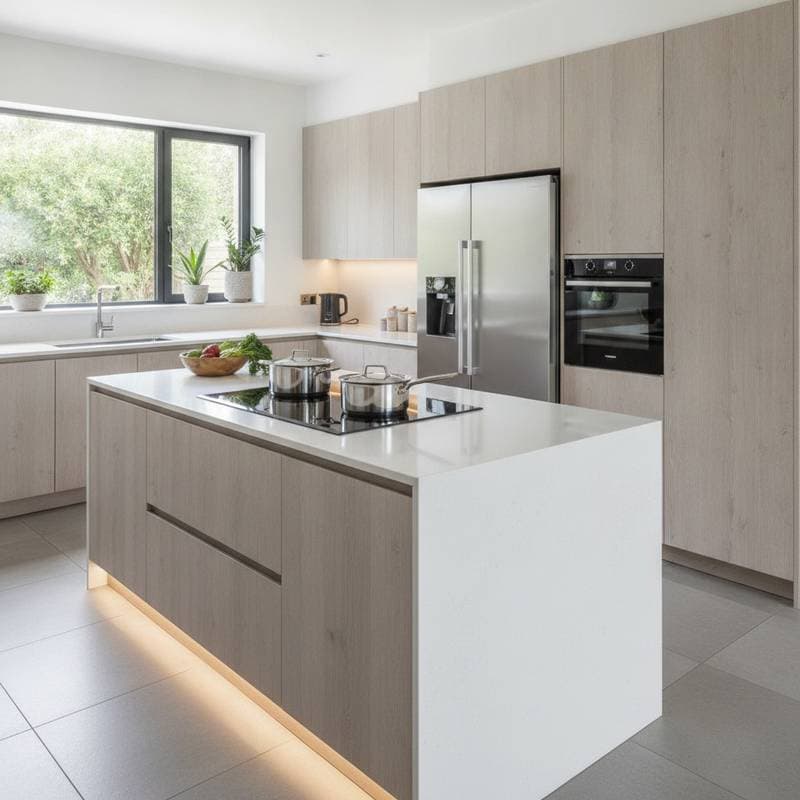
- Modern aesthetics. Induction cooktops fit perfectly with streamlined, minimalist designs and create a sleek, uncluttered look.
Risks of Delaying the Switch
Homeowners who insist on keeping gas often run into problems later. Municipalities are tightening emissions codes, and some building departments are already discouraging new gas hookups. When that happens, homeowners face expensive retrofits or limited appliance options.
Contractors have worked on remodels where clients had to tear out newly installed gas lines because local regulations changed mid-project. Those same clients could have saved thousands by going electric from the start. Gas kitchens are also harder to sell when buyers seek energy-efficient homes.
Steps for a Successful Electric Conversion
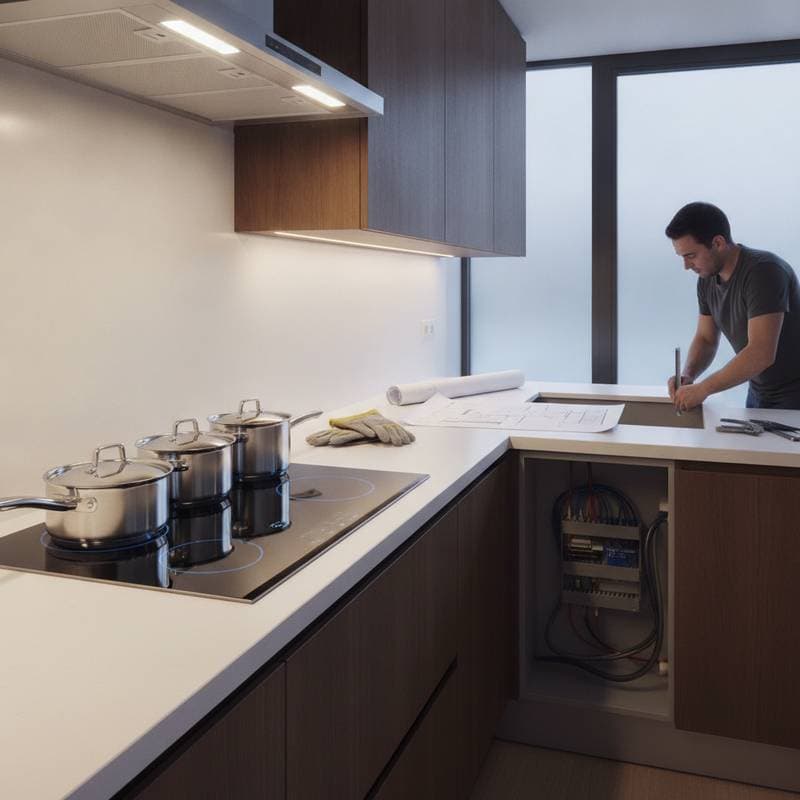
If you are considering an induction kitchen, the transition requires planning. Assess your electrical capacity first. Induction cooktops need a dedicated circuit and proper amperage. Have an electrician inspect your panel before ordering appliances.
Select compatible cookware next. Stainless steel and cast iron work best, while copper and aluminum require special bases. A simple magnet test will confirm compatibility. Coordinate appliance loads carefully when going all-electric. Your contractor should balance these loads to prevent tripping circuits.
Plan ventilation even though induction produces no combustion gases. Every kitchen still needs ventilation for moisture and odors. A smaller, quieter hood often suffices and can save space and cost. Check rebates and incentives from utility companies and municipalities, as these programs can offset the cost of appliances and electrical upgrades.
Key Considerations for Long-Term Success
Induction technology has matured. Early models were finicky and expensive, but modern versions are reliable and built to last. Warranties are improving, and service technicians are now trained to handle them properly. Homeowners should treat induction as a complete system rather than a single appliance swap.
The electrical infrastructure, ventilation strategy, and cabinetry layout all work together. Choosing the right contractor makes a substantial difference. Look for someone licensed for both electrical and kitchen remodeling work, and request written documentation for every upgrade.
Value After Installation
Once installed, an all-electric induction kitchen pays off in multiple ways. Maintenance stays minimal, energy bills drop, and the space feels cleaner. Property value often increases, especially in regions focused on energy efficiency. Most importantly, residents gain a safer home environment without gas combustion or carbon monoxide risk.
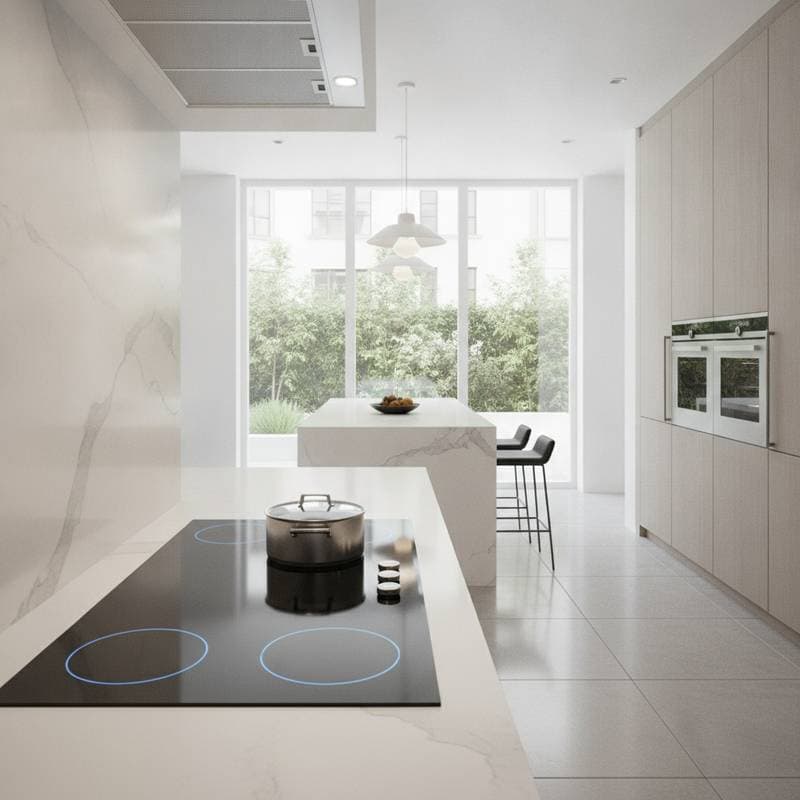
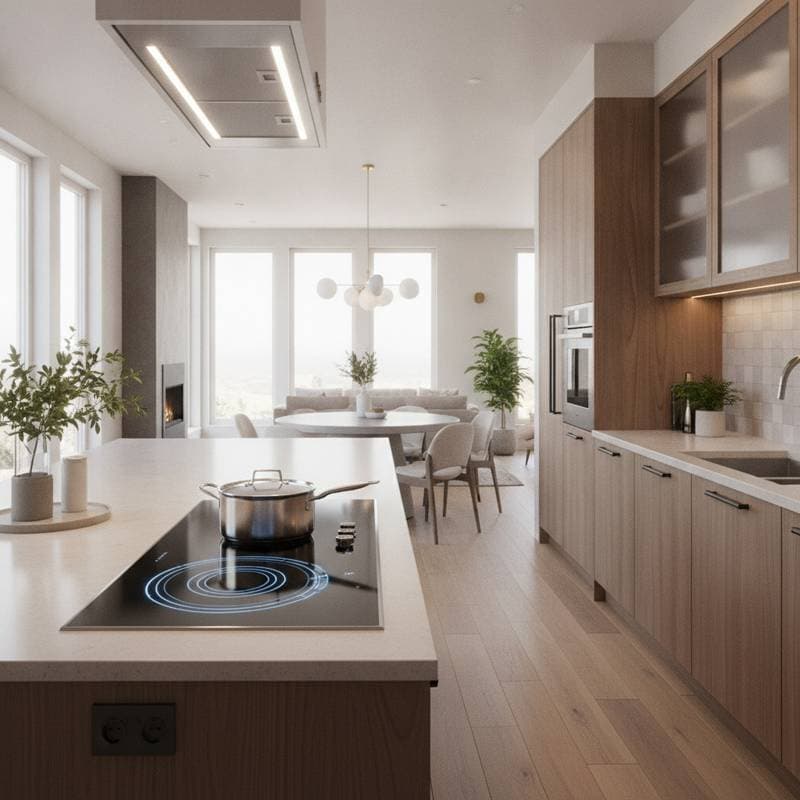
From a design standpoint, induction provides freedom. Without bulky gas hookups, a cooktop can sit on an island or under a low-profile hood. That flexibility allows for more creative layouts and efficient use of space.