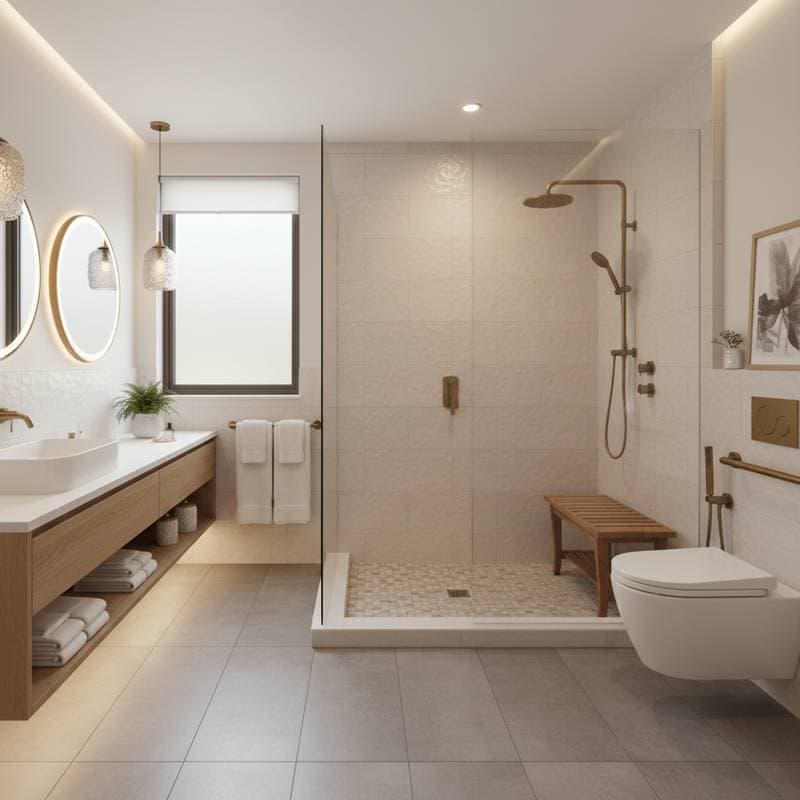
Aging-in-Place Bathrooms Need This Universal Design
A well-designed bathroom reflects foresight, care, and respect for how life evolves. The concept of aging in place has transformed from a functional necessity into a refined design philosophy. Universal design merges accessibility with elevated aesthetics in residential settings. These bathrooms prioritize comfort, safety, and timeless elegance without compromise.
Successful aging-in-place bathrooms extend beyond grab bars and non-slip tiles. Every material, fixture, and proportion must contribute to both safety and serenity. The following principles highlight essential universal design elements that create enduring and enriching spaces.
Spatial Planning and Circulation
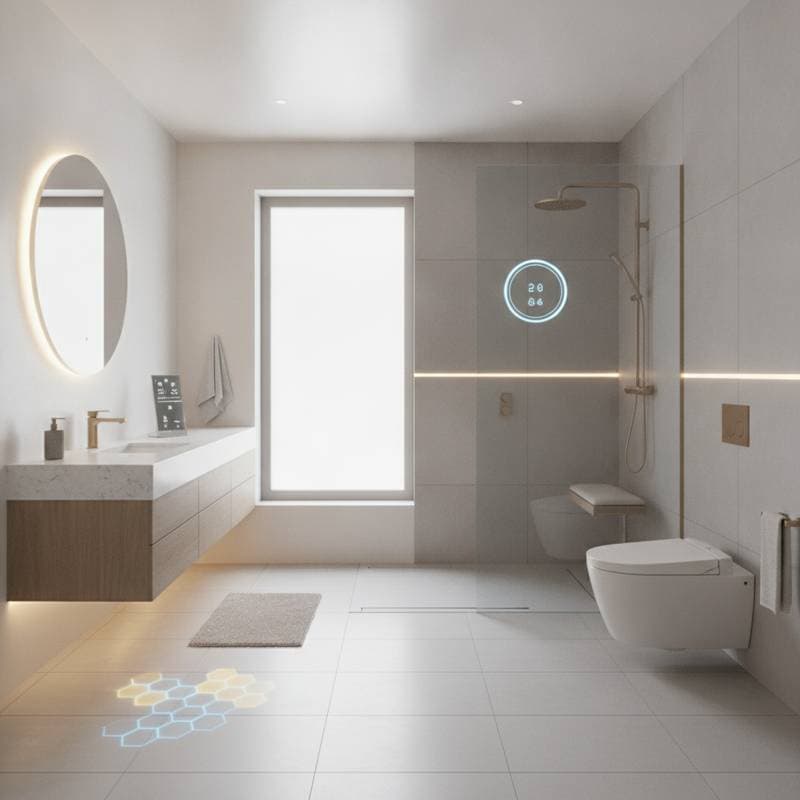
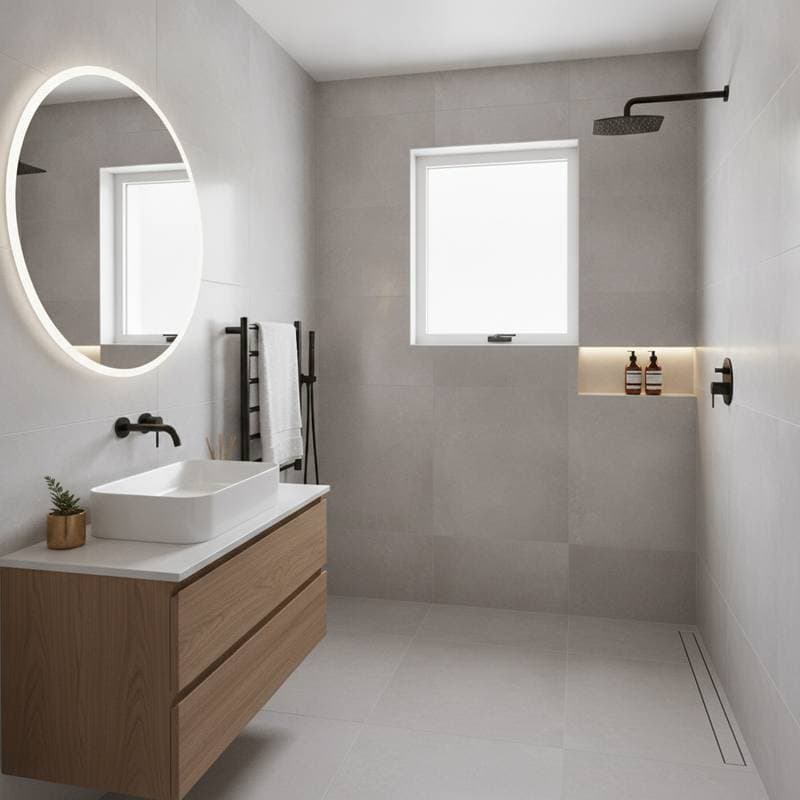
Generous clearances form the foundation of accessible bathrooms. Provide at least five feet of turning space to accommodate wheelchairs, walkers, or free movement. Curbless showers eliminate tripping hazards and expand the room visually. Pair them with large-format porcelain tiles and linear drains for a seamless, spa-like surface. Matte finishes add subtle traction while maintaining refinement.
Layered Lighting Strategies
Lighting supports orientation, comfort, and mood in universal bathrooms. Combine recessed ceiling lights for general brightness with wall sconces at eye level to reduce shadows. Add toe-kick lights beneath vanities for nighttime pathways. Use warm LED temperatures around 2700K with dimmable controls. This setup allows users to adjust the environment for daily routines or evening wind-down.
Tactile Materials and Finishes
Textures guide users through subtle cues. Slightly raised mosaic floors in showers offer reassuring underfoot feedback. Matte finishes on grab bars and fixtures prevent slippage and feel warmer than polished metal. Wire-brushed oak cabinetry adds organic warmth and hides fingerprints. Microcement or limewash plaster walls provide soft depth and moisture resistance without harsh glare.
Curbless Shower Execution
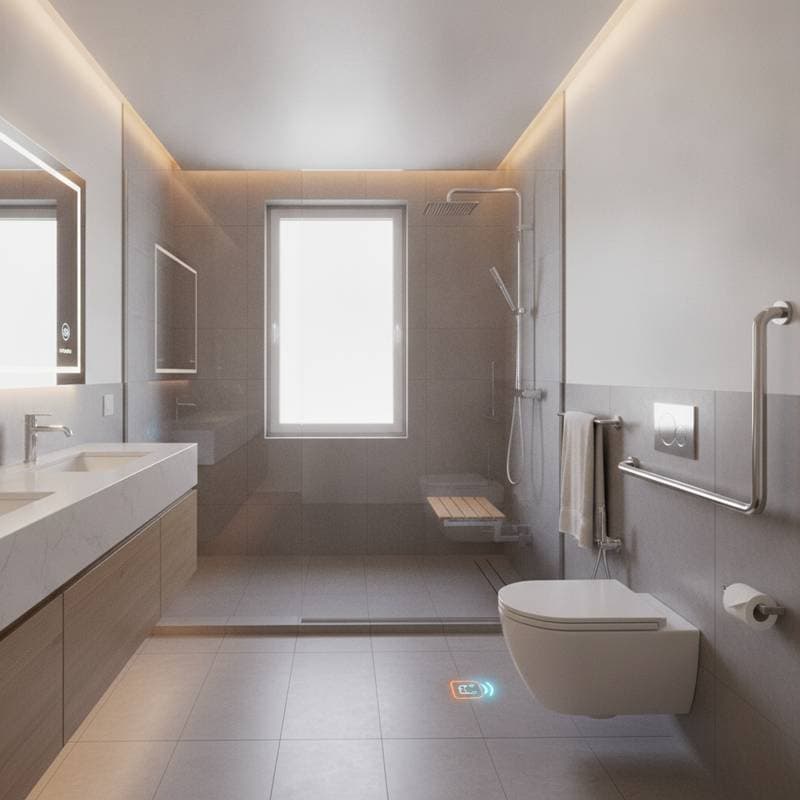
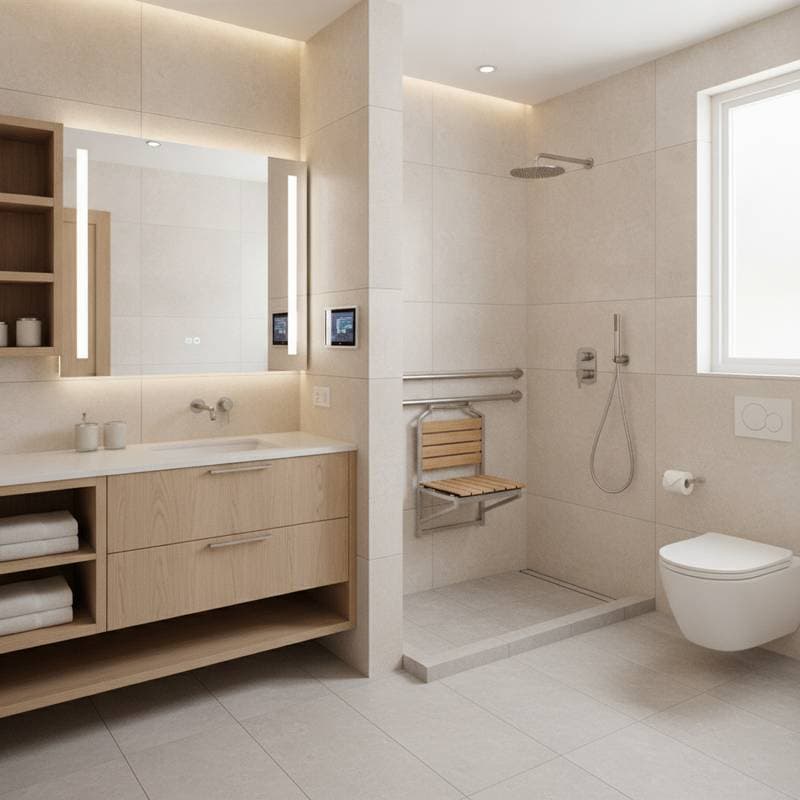
Curbless showers create continuity between dry and wet zones. Proper floor grading directs water to a concealed linear drain. Frameless glass panels maintain openness while containing spray. A handheld showerhead on a vertical slide bar supports seated or standing use. Brushed nickel or soft graphite finishes conceal water spots effectively.
Grab Bars as Integrated Elements
Modern grab bars blend safety with style. Select models that match towel rails and accessories for design cohesion. Position them near the toilet, inside the shower, and along entrance walls. Brushed brass or matte black finishes turn them into architectural accents.
Accessible Storage Solutions
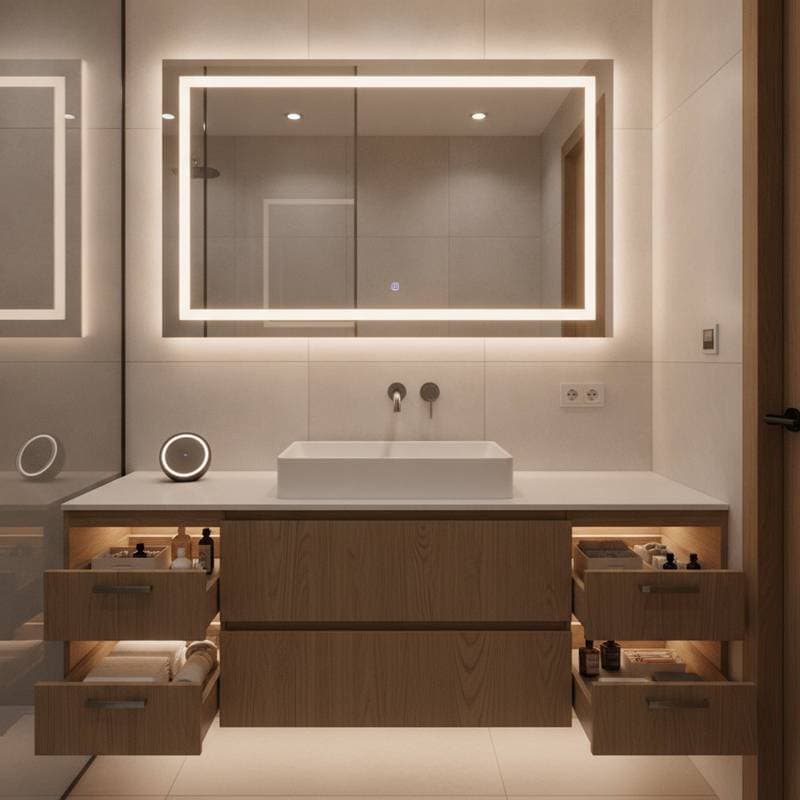
Storage must remain reachable without bending or stretching. Mount floating vanities at 34 inches for knee clearance and contemporary appeal. Use deep drawers with pull-out trays for easy access. Incorporate pull-down shelving in tall cabinets and motion-sensor lighting inside drawers. Matte lacquer and soft-touch laminates ensure durability.
Comfort Height Fixtures
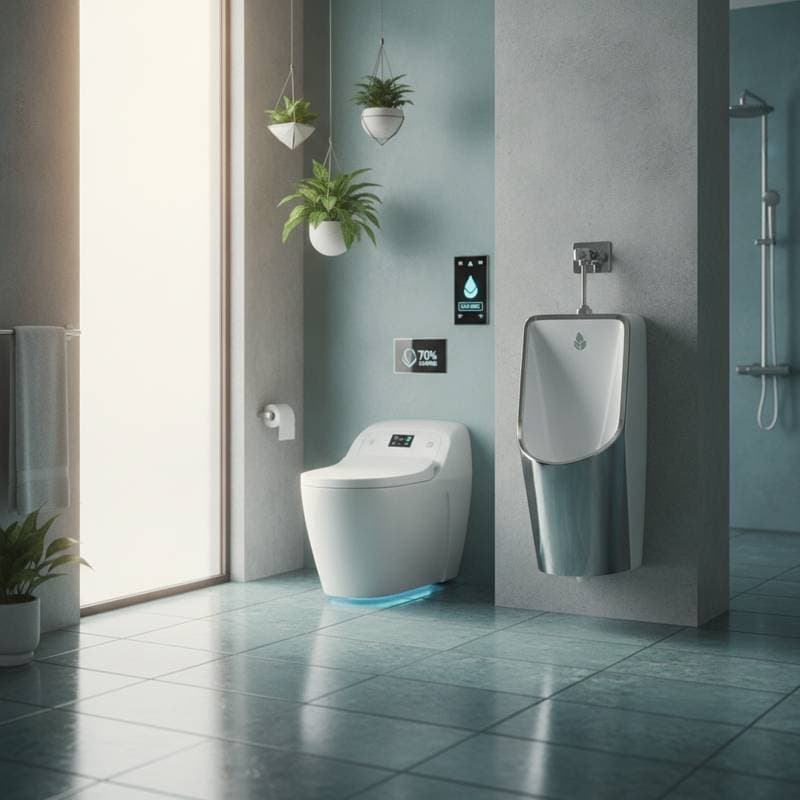
Comfort height toilets sit 17 to 19 inches from floor to seat for easier transitions. Wall-mounted models simplify cleaning and preserve clean lines. Replace knobs with lever handles on faucets and doors. Install anti-scald thermostatic valves to maintain consistent water temperature.
Color and Contrast for Orientation
Thoughtful color choices aid perception and safety. Pair soft neutral walls with darker flooring to define boundaries. Gentle paint tones provide versatile backdrops under varied lighting. Contrasting trim or tile bands create subtle wayfinding cues for users with reduced vision.
Smart Technology Integration
Motion-sensor faucets, touchless flush plates, and voice-controlled lighting promote independence. Heated floors with digital thermostats deliver constant comfort. Humidity sensors activate ventilation automatically. Hidden outlets, integrated speakers, and programmable scenes keep technology responsive yet unobtrusive.
Durable Material Selection
Materials must withstand daily use while aging gracefully. Engineered quartz countertops resist stains with minimal maintenance. Non-porous surfaces like solid surface acrylic prevent mold. Unlacquered brass develops a natural patina, while brushed stainless steel offers timeless resilience.
Nature and Well-Being Connections
Natural light through skylights or clerestory windows supports wellness and privacy. Tunable LEDs mimic daylight for circadian balance when needed. Small plants such as ferns or pothos add vitality. Stone resin or ceramic planters withstand humidity effectively.
Emotional Benefits of Thoughtful Design
Universal design supports freedom, dignity, and continued independence at home. Every element expresses respect for the user. Spaces that anticipate needs build confidence and quiet luxury over time.
Planning Your Bathroom Updates
Start with spatial layout and core fixtures before adding finishes and technology. These choices create bathrooms that serve all generations through adaptability and comfort. Focus on details that support daily routines while preparing for future changes.