Are Gas Stove Bans Forcing Your Kitchen Conversion?
You have probably heard about new restrictions on natural gas in homes and wondered what that means for your kitchen. Maybe you love the quick heat of your gas burners or the way you can control the flame precisely. Now you are hearing that new laws or building codes may no longer allow gas lines in certain areas.
The idea of replacing your stove may sound expensive or confusing. The good news is that there are practical, realistic ways to adapt without losing your cooking comfort. Here is what is really happening, what your options are, and how to prepare if a gas stove ban affects your home.
Understanding Why Gas Stoves Are Being Restricted
Across many regions, building codes and energy regulations are changing to reduce fossil fuel use in homes. Gas appliances, including stoves, water heaters, and furnaces, release carbon emissions and indoor air pollutants. Studies have shown that gas stoves can raise levels of nitrogen dioxide, carbon monoxide, and fine particles in your kitchen.
Some cities have decided to limit new gas hookups to reduce these emissions and encourage all-electric homes. You are not being forced to rip out a functioning gas range tomorrow. In most cases, these policies affect new construction or major remodels requiring permits.
Existing homeowners can usually keep their gas appliances as long as they remain safe and code compliant. However, if you plan to remodel or replace your stove soon, you may need to switch to an electric or induction model.
What a Gas Stove Ban Means for Homeowners
If your city or county has restricted new gas connections, you may face a few practical changes. New installations must be electric. Builders cannot install new gas lines for stoves in affected areas.
Replacement rules vary. Some areas allow a direct gas replacement if a line already exists, while others require conversion to electric when you upgrade. Rebates and incentives are available. Many local and federal programs offer rebates for switching to induction or high-efficiency electric appliances.
Resale considerations matter as well. All-electric kitchens can appeal to buyers looking for energy-efficient or code-ready homes. Even if your home is not yet affected, planning ahead helps you avoid rushed, expensive conversions later.
Induction Cooking as a Replacement Option
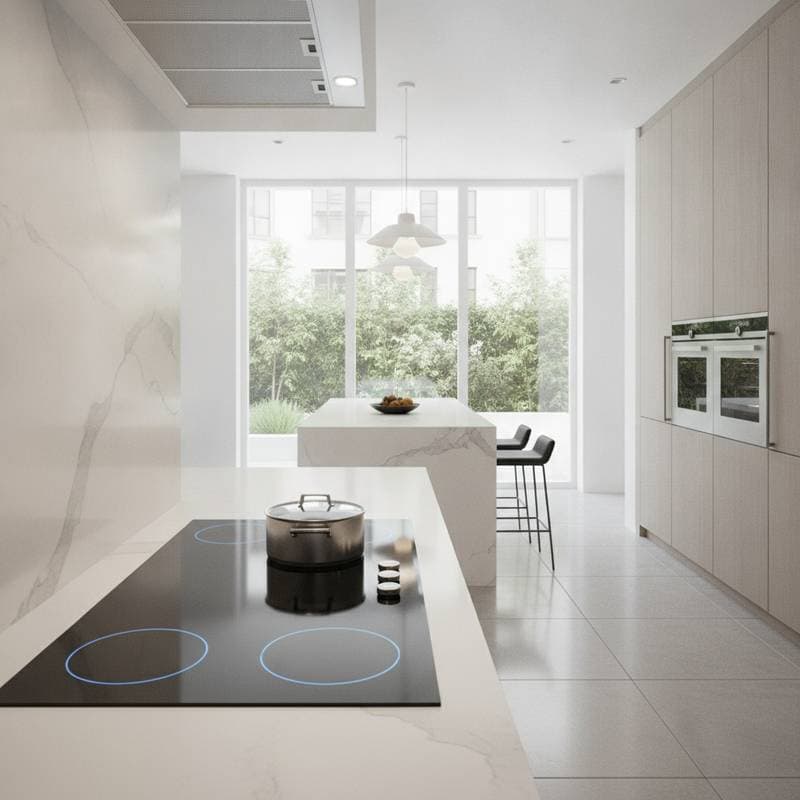
If you have only cooked on gas, electric coil stoves can feel sluggish. Induction cooktops, however, are a different story. They use electromagnetic energy to heat your cookware directly, not the air around it. That means faster heating, precise temperature control, and lower energy waste.
How Induction Works
Under the glass surface of an induction cooktop is a copper coil. When you turn on a burner, an alternating current creates a magnetic field that interacts with your cookware. The cookware must be magnetic, usually cast iron or stainless steel with an iron core.
The pan itself becomes the heat source, so the cooktop surface stays cooler and safer to touch.
Benefits of Induction
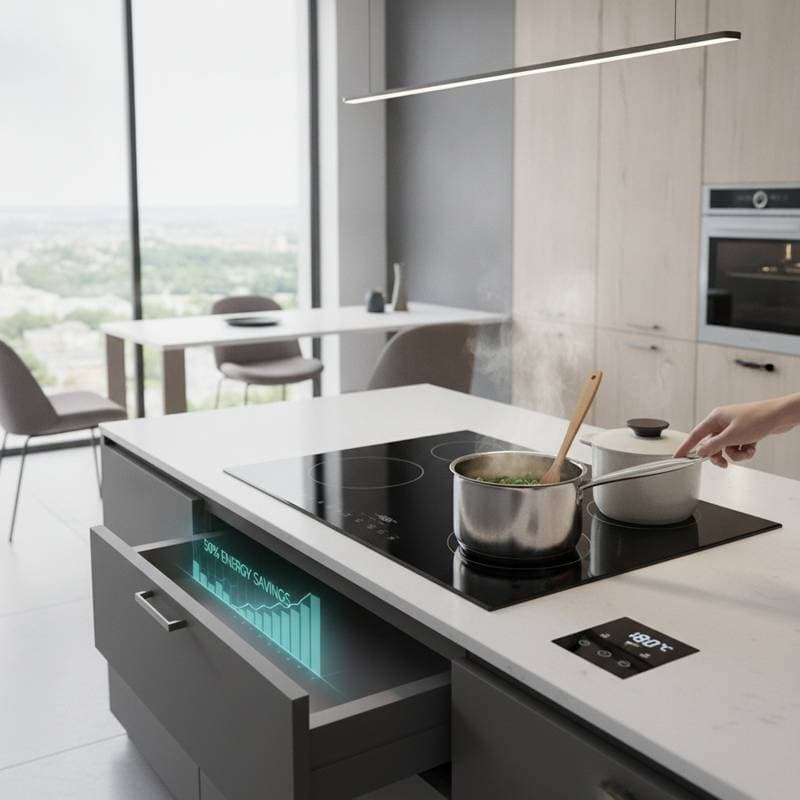
Induction offers several clear advantages. It boils water in about half the time of a gas burner. It adjusts temperature instantly, similar to turning down a flame. There is no open flame or gas leak risk.
It uses about 85 to 90 percent of energy for cooking compared to roughly 40 percent for gas. The flat glass surface wipes clean easily. The main trade-off is that you may need compatible cookware and an electrical upgrade if your kitchen circuit cannot handle the current.
Costs and Electrical Requirements
Switching from gas to induction involves both appliance and electrical considerations. Basic induction cooktops or ranges cost between 800 and 1500 dollars. Mid-range models with more features range from 1500 to 2500 dollars. Premium units with flexible zones or smart controls start at 3000 dollars and higher.
Most induction ranges require a dedicated 240-volt circuit with a 40- or 50-amp breaker. If your panel is older or already near capacity, you may need an upgrade. Expect to pay between 300 and 1000 dollars for new wiring or breaker installation, and up to 2500 dollars if your main electrical panel needs replacement.
If your current pots and pans are not magnetic, you will need new ones. A good mid-range induction-compatible set costs about 150 to 400 dollars. To test your existing cookware, hold a magnet to the bottom. If it sticks firmly, it will work.
Total project estimates vary. A DIY-friendly replacement with an existing 240-volt outlet runs from 900 to 2000 dollars. Professional installation with wiring costs 2000 to 4000 dollars. A full upgrade with a new panel and cookware reaches 3500 to 6000 dollars. Rebates and local incentives can offset a portion of these costs. Many programs offer 200 to 1000 dollars for switching to induction or electric appliances.
Safety and Code Considerations
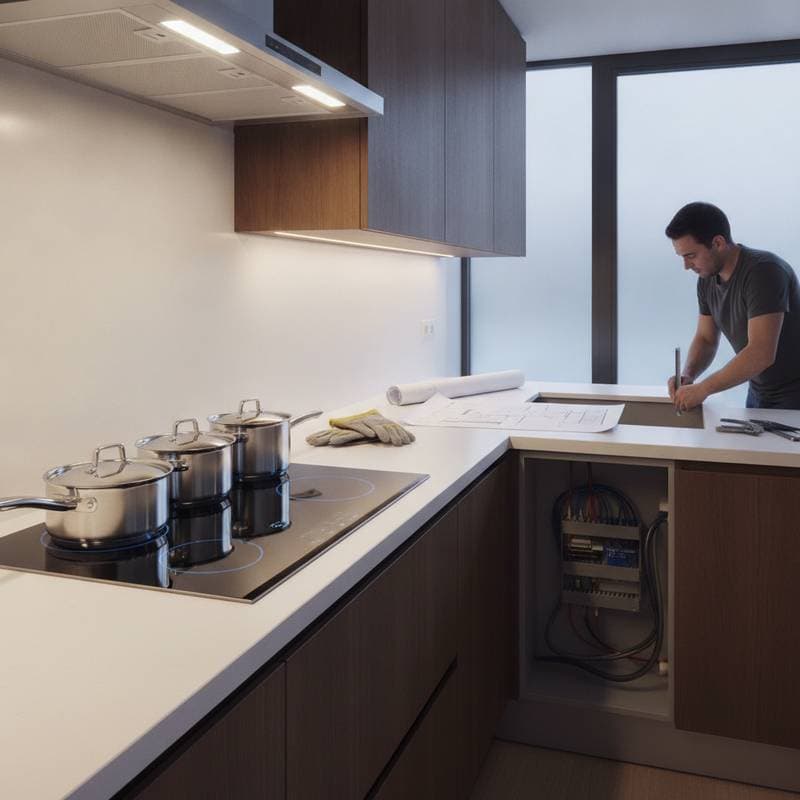
Before removing your gas stove, contact your local building department. You may need a permit for electrical upgrades or appliance replacement. A licensed electrician should inspect your panel to confirm capacity and circuit requirements.
If you are capping a gas line, hire a licensed plumber to disconnect and seal it properly. Never attempt to do this yourself, since gas leaks are dangerous and can cause fires or carbon monoxide exposure.
Environmental and Health Benefits
While the primary motivation for gas restrictions is reducing carbon emissions, there are direct health improvements too. Gas stoves can release pollutants that build up indoors, especially in poorly ventilated kitchens. Induction and electric cooking eliminate this source of combustion, reducing respiratory irritation and improving indoor air quality.
Practical Tips for a Smooth Transition
Check your electrical panel first. Confirm whether you already have a 240-volt circuit available. Plan your layout. Induction cooktops need stable, level counters and proper clearance for ventilation.
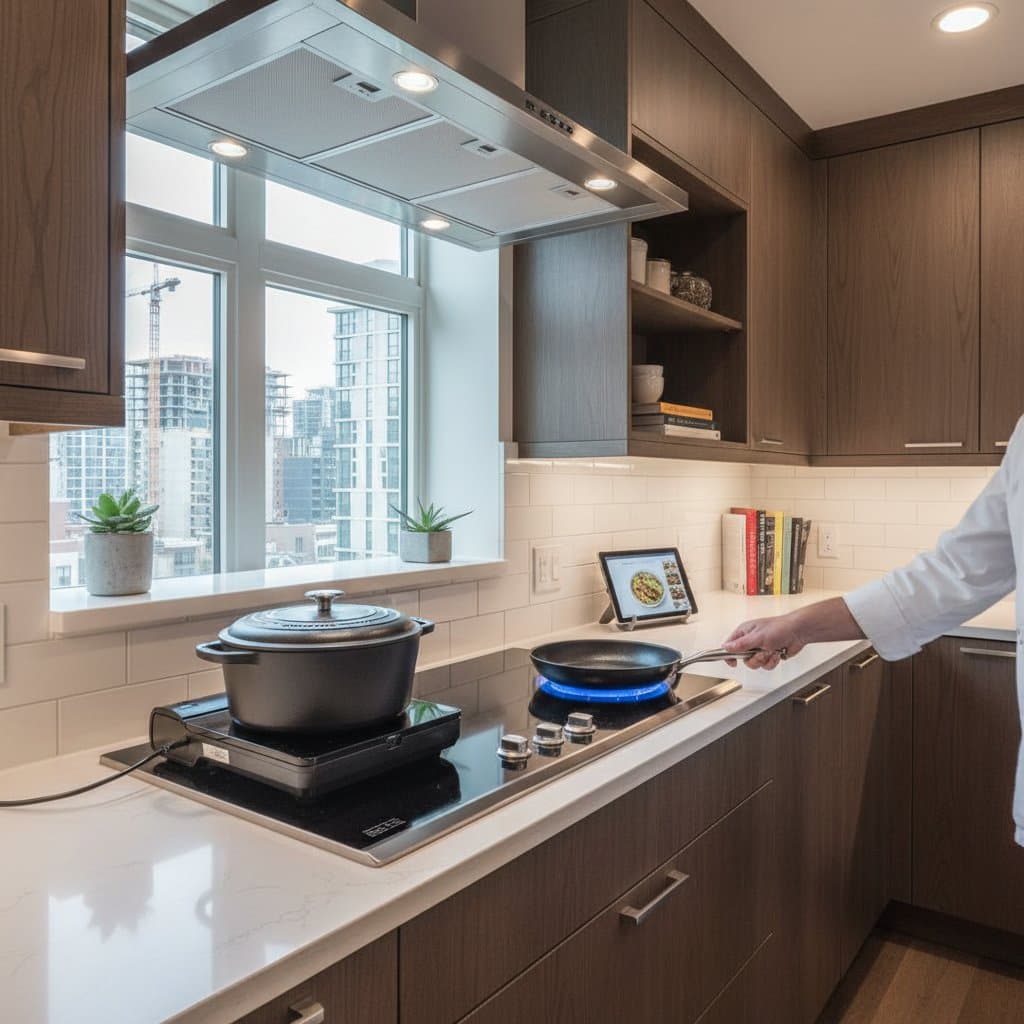
Try a portable induction burner before committing. Buy a single portable unit for about 75 to 150 dollars. It helps you get used to the technology. Schedule professional help early. Licensed electricians and plumbers are in high demand during local regulation changes.
Keep your gas line capped safely. Even if you remove the stove, ensure that the line is sealed properly to avoid leaks.
Preparing for Your Switch
Converting from gas to induction is not just about following new rules. It is an opportunity to modernize your kitchen, improve safety, and reduce energy waste. The change does require planning, but it is manageable for most homeowners.
Start by evaluating your electrical system, researching appliance options, and checking for rebates in your area. When the time comes to replace your range, you will be ready with a plan that fits your budget and cooking style. Whether you cook daily or only occasionally, the shift to electric or induction cooking can make your kitchen cleaner, safer, and more efficient without compromising the joy of preparing a good meal.