Understanding Gas Stove Regulations
Local governments across the United States have introduced measures to limit new natural gas connections in residential buildings. These policies aim to reduce indoor air pollutants and support broader environmental targets. Homeowners now face decisions about replacing existing gas ranges with alternative technologies.
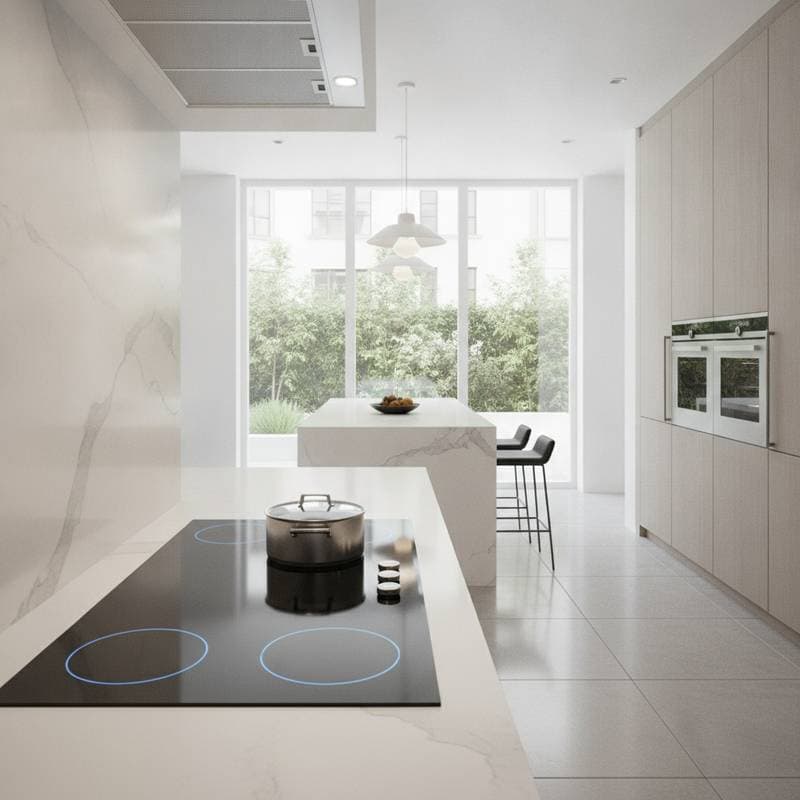
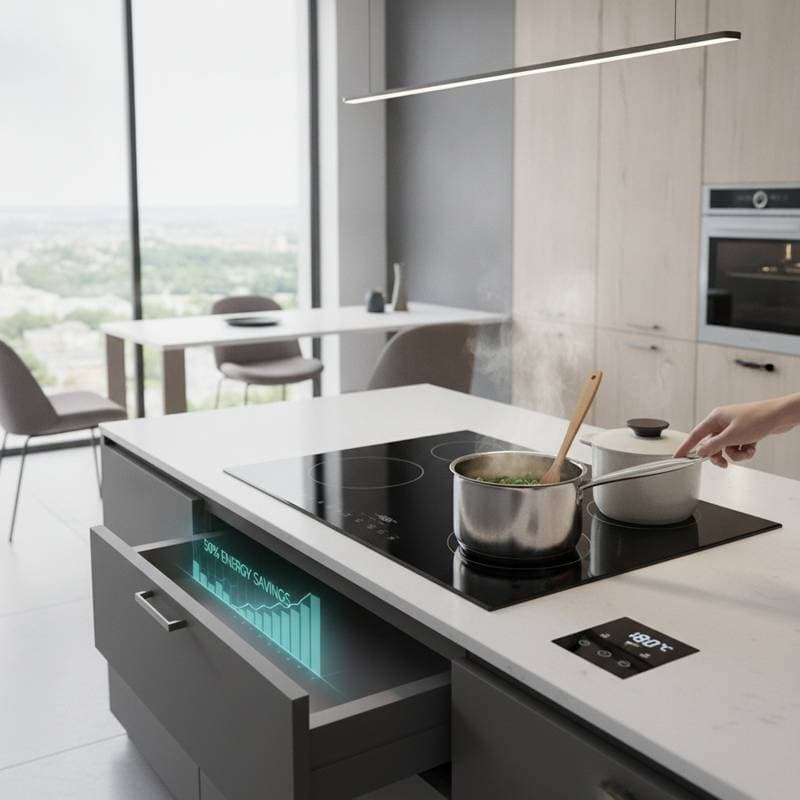
Induction cooking has emerged as a leading option during this transition. The technology uses electromagnetic fields to heat cookware directly. This approach delivers heat faster than traditional electric coils while avoiding open flames.
Core Advantages of Induction Technology
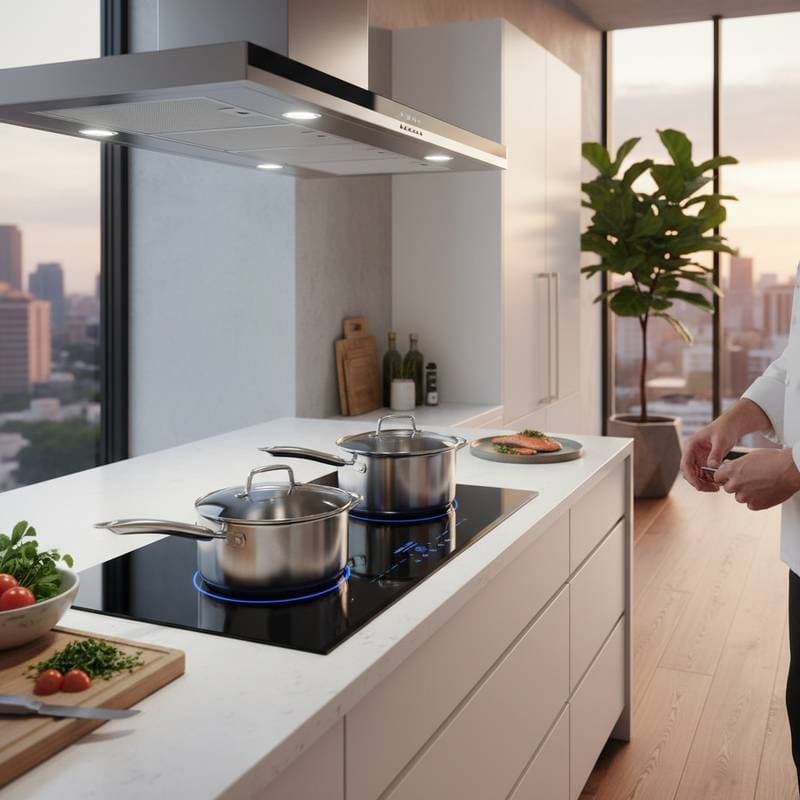
Induction cooktops reach target temperatures in seconds rather than minutes. Precise power adjustments allow simmering delicate sauces or searing meats without overshooting. Surface temperatures remain lower than gas flames, which reduces burn risks and simplifies cleanup.
Indoor air quality improves because induction produces no combustion byproducts. Studies from public health agencies link gas cooking to elevated nitrogen dioxide levels. Households switching to induction report fewer respiratory irritants during daily meal preparation.
Selecting Equipment for Different Budgets
Portable induction units provide an entry point for testing the technology. These single or dual burner models plug into standard outlets and cost between 60 and 200 dollars. They suit apartment dwellers or those seeking a supplemental cooking surface.
Built in cooktops and ranges represent the next tier. Entry level models start around 800 dollars, while professional grade units with multiple zones exceed 2500 dollars. Features such as bridge elements for griddles and integrated downdraft ventilation add convenience for serious cooks.
Installation and Kitchen Design Considerations
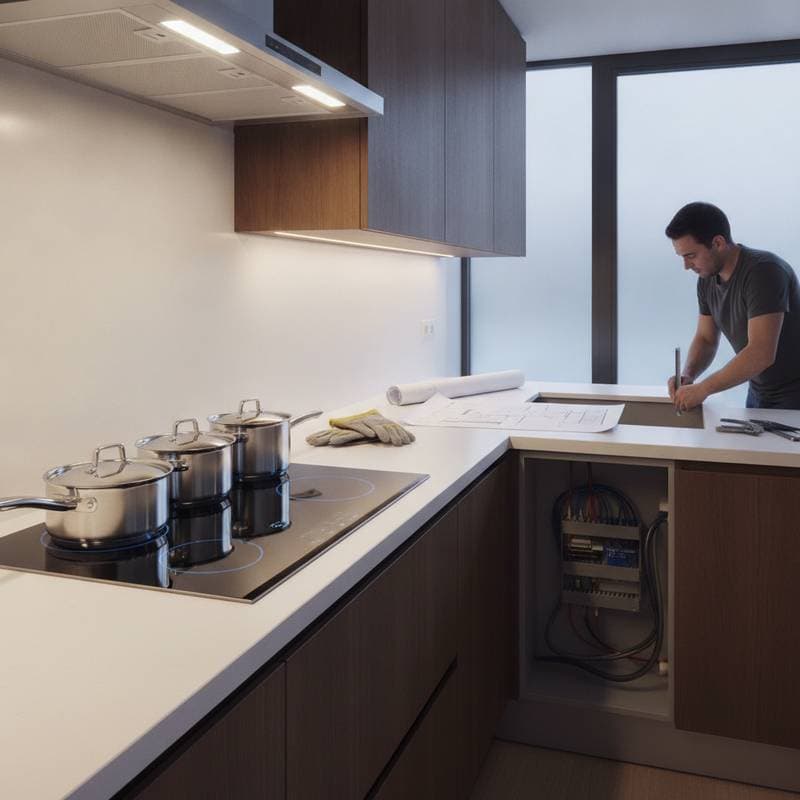
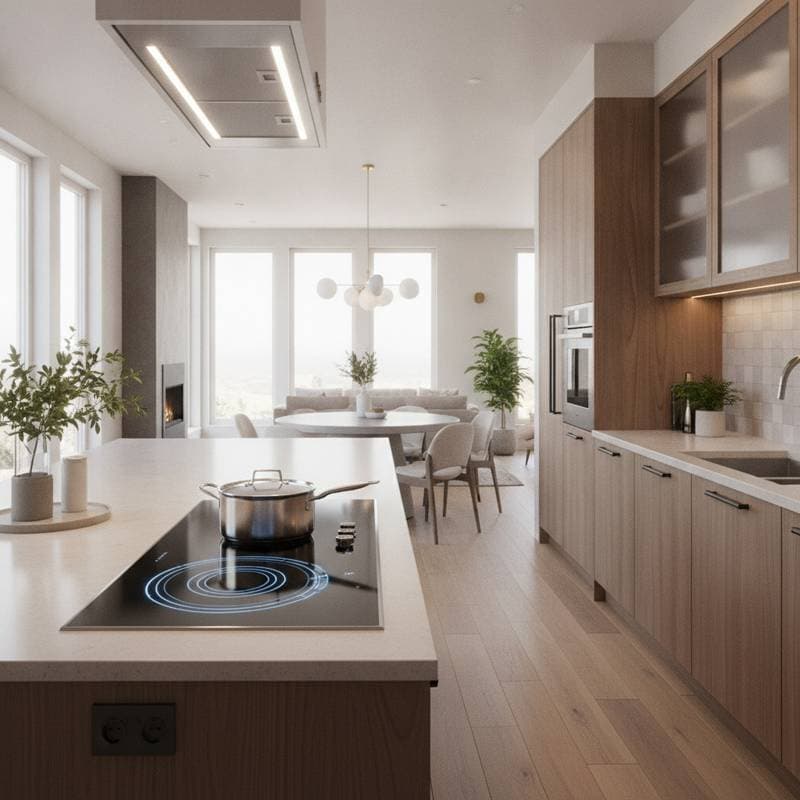
Induction appliances require dedicated electrical circuits rated at 240 volts in most cases. Electricians can complete upgrades in existing homes within one day. Countertop cutouts follow manufacturer templates, and the flat surface integrates cleanly with modern cabinetry.
Design flexibility increases because no ventilation hood sized for gas combustion is mandatory. Many users opt for recirculating downdraft systems or simple overhead fans. The absence of grates and burners creates uninterrupted workspace when the unit is off.
Transition Steps for Current Gas Users
- Audit cookware compatibility. Ferrous metal pans work best. A simple magnet test confirms suitability.
- Schedule electrical assessment. Confirm panel capacity before purchase.
- Test portable units first. Rent or borrow a single burner model for two weeks.
- Compare energy rates. Induction often lowers operating costs compared with gas in regions with favorable electricity pricing.
Daily Cooking Adjustments
Recipes transfer directly once users adapt to immediate response times. Lower power settings replace the low flame technique. Water boils in roughly half the time of gas, which shortens overall meal timelines.
Safety features include automatic shutoff when no pan is detected. Residual heat indicators warn of warm surfaces after use. These elements support households with children or older adults.
Long Term Value and Maintenance
Induction surfaces resist stains because food spills do not bake onto hot grates. A damp cloth restores the finish after each session. Warranties typically cover ten years on the induction elements, reflecting manufacturer confidence in component durability.
Property resale value benefits from documented upgrades to electric cooking. Buyers increasingly seek homes equipped for future code requirements. Induction therefore represents both an immediate lifestyle improvement and a forward looking investment.