How AI Kitchen Design Reduces Planning Time by 80 Percent
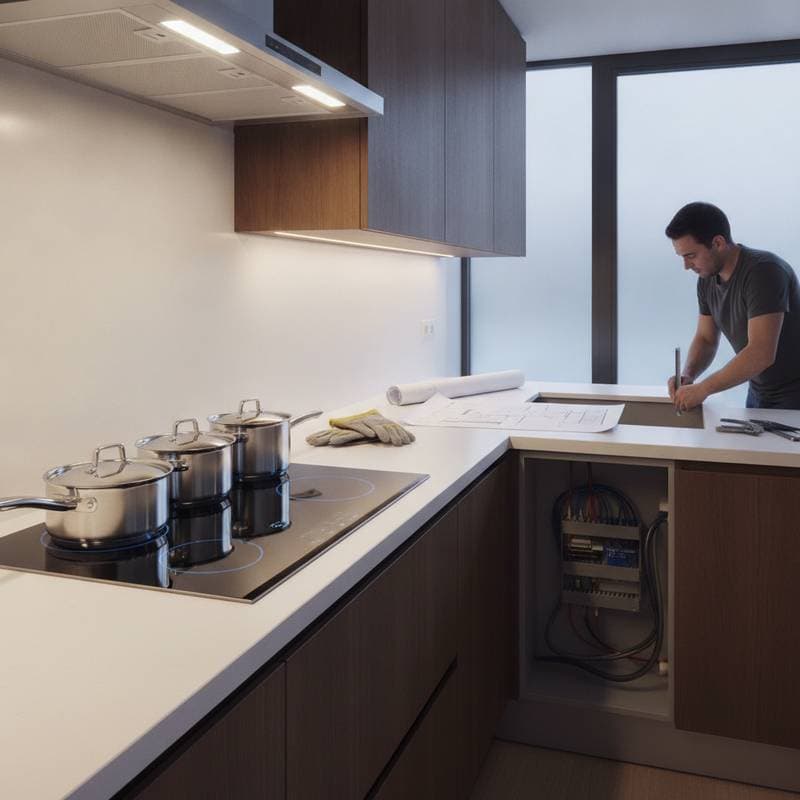
Kitchens serve as centers of daily activity, blending practical layout with personal style. Selecting cabinets, countertops, and appliances often involves extensive time for sketches, measurements, and material reviews. AI kitchen design tools change this dynamic by automating complex tasks, cutting planning time by up to 80 percent. This approach maintains artistic elements and craftsmanship throughout the process.
Evolution of AI in Kitchen Planning
AI platforms for kitchen design alter workflows for homeowners, interior designers, and architects. These tools process room dimensions, movement patterns, and style choices to produce layout suggestions rapidly. Users start with pre-vetted options that align with ergonomic guidelines and operational needs, rather than empty drafts.
Professionals such as Maria Cortes from Atelier Forma view AI as a means to sharpen initial concepts. She applies these systems to determine optimal work triangle dimensions and preview surface pairings before showroom visits. Tasks that previously spanned weeks now resolve in one session, allowing deeper exploration of surfaces, ambiance, and specifics.
Building from Plans to Full Environments
Leading AI tools extend past simple layouts to include lighting assessments, color matching, and equipment positioning. Users upload a basic floor plan and obtain 3D visualizations along with suggestions for cabinet materials and fixture scales based on their preferences.
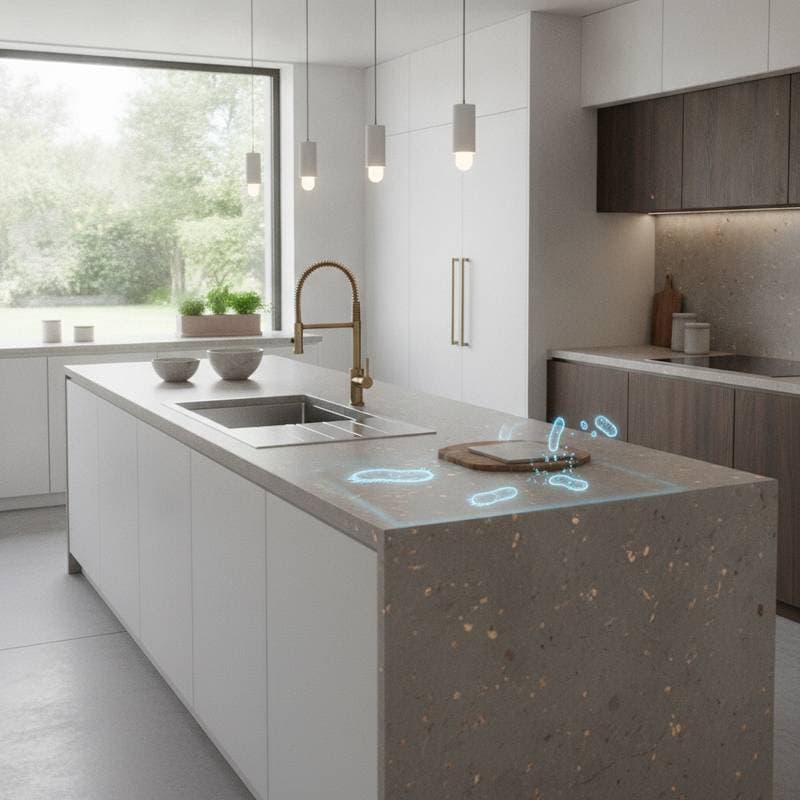
In a project by Studio Norr, an AI platform shaped a galley kitchen merging clean lines with inviting tones. The tool recommended European oak cabinets alongside matte graphite quartz surfaces from Caesarstone, complemented by satin brass hardware from Buster + Punch. The team adjusted small aspects, like applying Farrow and Ball's Skimming Stone paint to walls for balanced subtlety. This method shortened the iteration cycle significantly.
Balancing Technical Accuracy and Creative Input
AI tools promote individuality rather than impose sameness, as experts note. They manage structural calculations to support bolder choices in forms, textures, or hues, with core functionality intact.
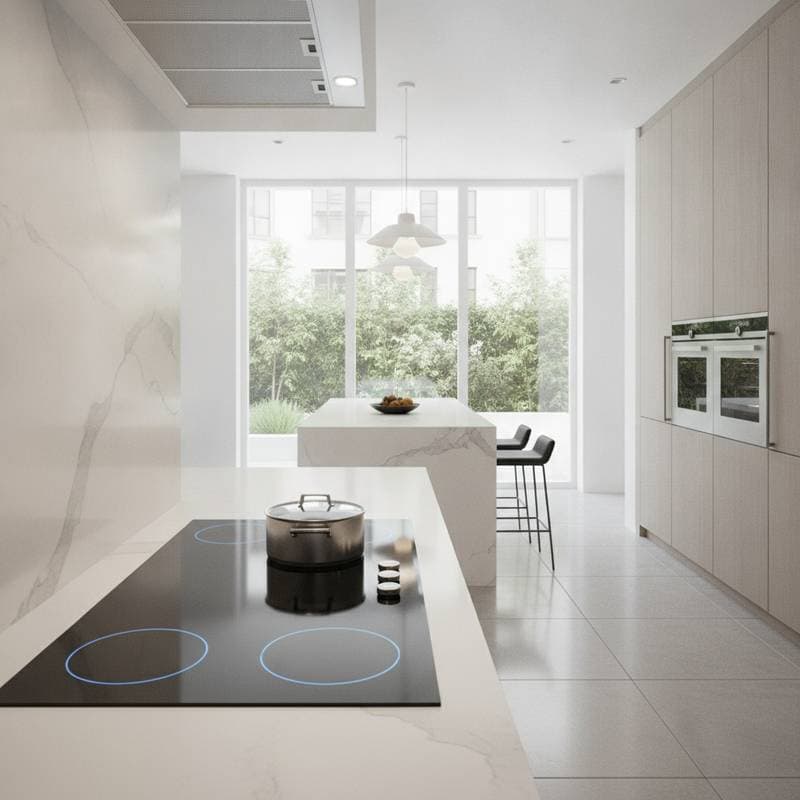
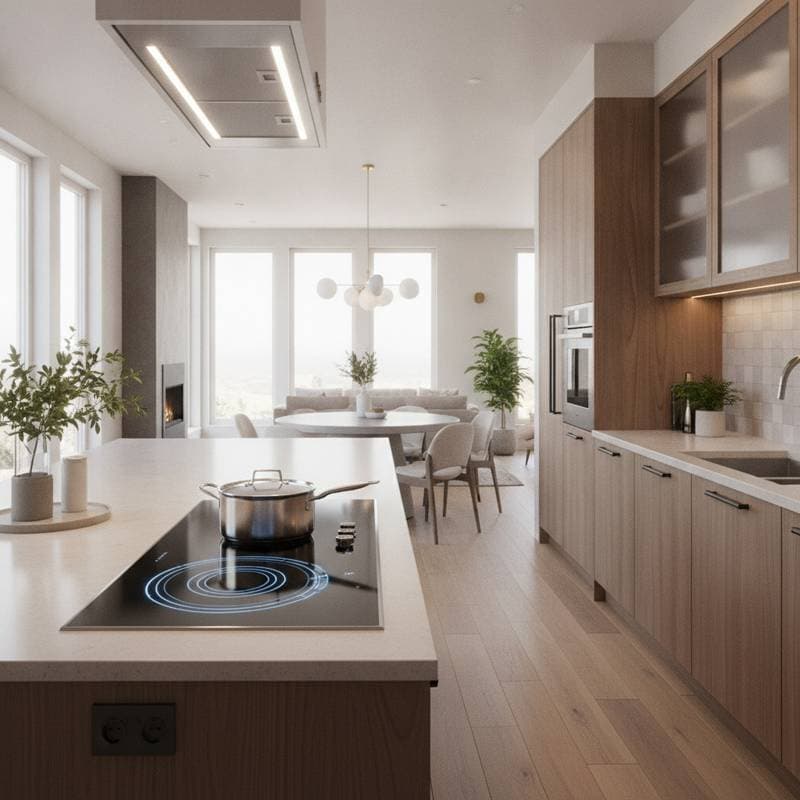
Luca Ferri, principal at Forme Studio, states that AI manages spatial computations, freeing designers for expressive elements. His group tested 20 variations for a small urban kitchen using layout software. The selected design incorporated smoked ash cabinets with built-in LED strips, a Salvatori terrazzo splashback, and a hidden exhaust system for unobstructed views. The program highlighted space-saving opportunities within limited areas, while designers infused character through selections.
Achieving Thorough Efficiency
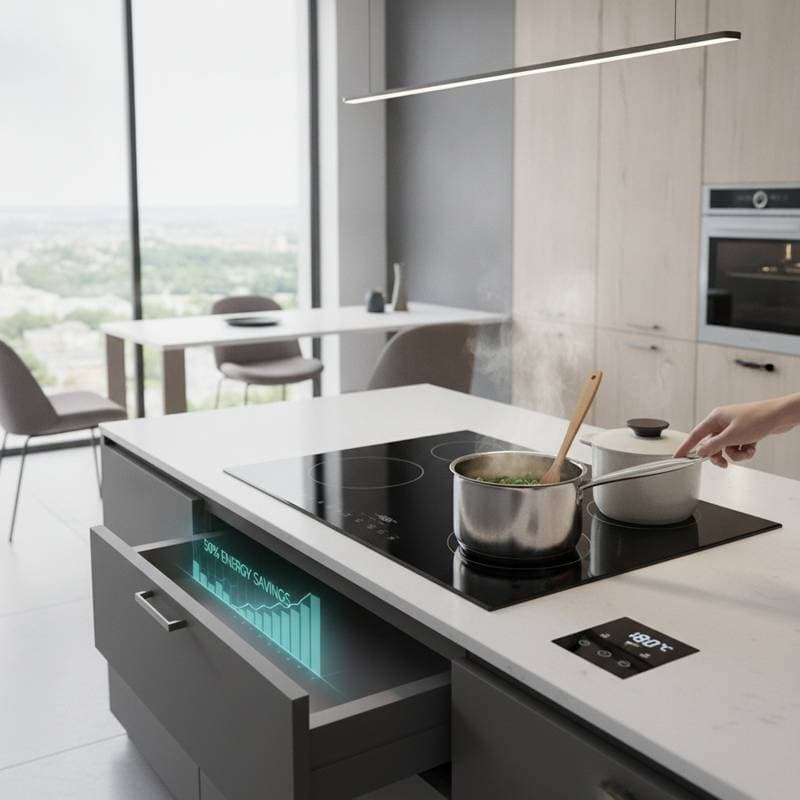
AI excels by shortening routine computations without compromising quality. This shift lets teams prioritize narrative development, material curation, and user interactions. Homeowners benefit from quicker decisions, reduced errors, and early insights into kitchen usability and appeal.
Customization becomes straightforward with these platforms. They adjust designs on the fly for accessibility needs, specific devices, or irregular spaces. Specialized drawings, once manual, now generate instantly, broadening access to tailored solutions.
Adapting Kitchens to Real Life
AI evolves to better grasp cooking habits, social uses, and living patterns, making kitchens more intuitive. Tools predict flow routes or suggest durable finishes suited to local climates, like high-moisture areas.
This progress fosters teamwork among architects, designers, and suppliers through live-updating models. Precision carries from idea to build, yielding kitchens that appear both carefully engineered and organically welcoming.
Realizing Efficient and Expressive Kitchens
AI kitchen design points to an era where speed supports sophistication. By minimizing preparation demands, these technologies emphasize sensory and relational qualities of the space.
For renovation or construction projects, adopting AI refines rather than restricts imagination. Kitchens endure as vital home hubs, now enhanced by smart precision.