Precision in Every Hue: How AI Color Scanners Transform Home Remodeling
Selecting the ideal paint color holds the potential to elevate a space or introduce unexpected challenges. Traditional methods depend on visual estimation, sample testing under varying lights, and expert intuition. AI color scanners now provide a reliable alternative, enabling homeowners and professionals to achieve exact matches and cohesive designs with minimal trial and error.
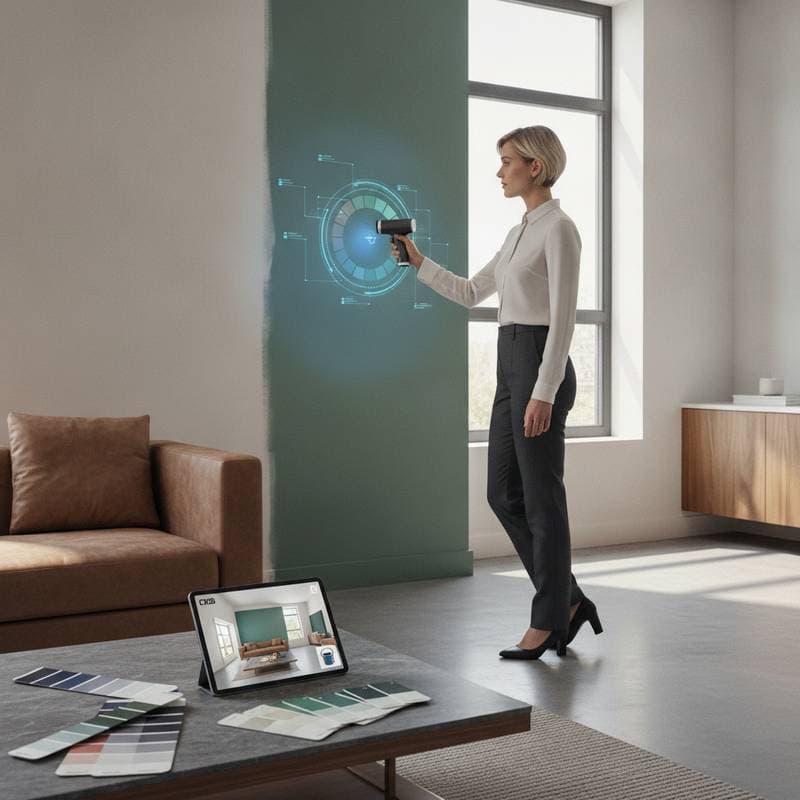
These devices employ advanced sensors and algorithms to analyze colors objectively. They process visual data to identify precise formulations compatible with leading paint brands. This shift from intuition to technology ensures consistent results across projects, from minor updates to full renovations.
Overcoming Perceptual Limitations
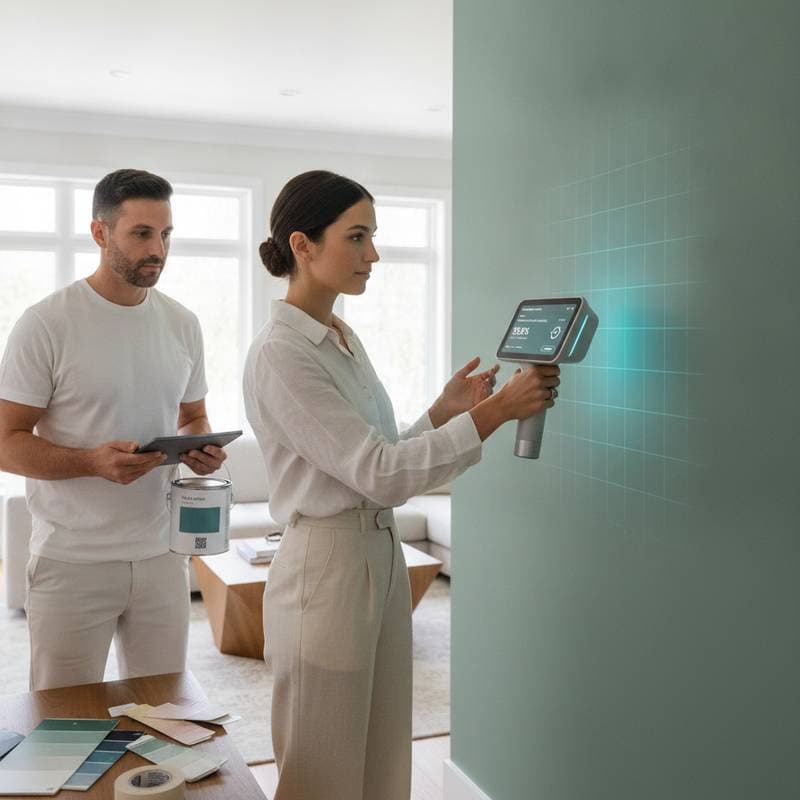
Human perception of color varies with lighting, surroundings, and individual differences. A shade labeled as soft green in one setting might shift to muted blue in another. AI scanners address this by using optical sensors and machine learning to measure hue, saturation, and brightness accurately.
The output delivers specific paint codes from manufacturers such as Benjamin Moore, Farrow & Ball, or Sherwin-Williams. Interior designer Marisol Chen of Studio Chen Interiors explains that this technology removes errors caused by lighting and subjective judgment. She considers these tools indispensable, comparable to basic measuring equipment in her daily work.
Harnessing Smartphone Technology for Instant Analysis
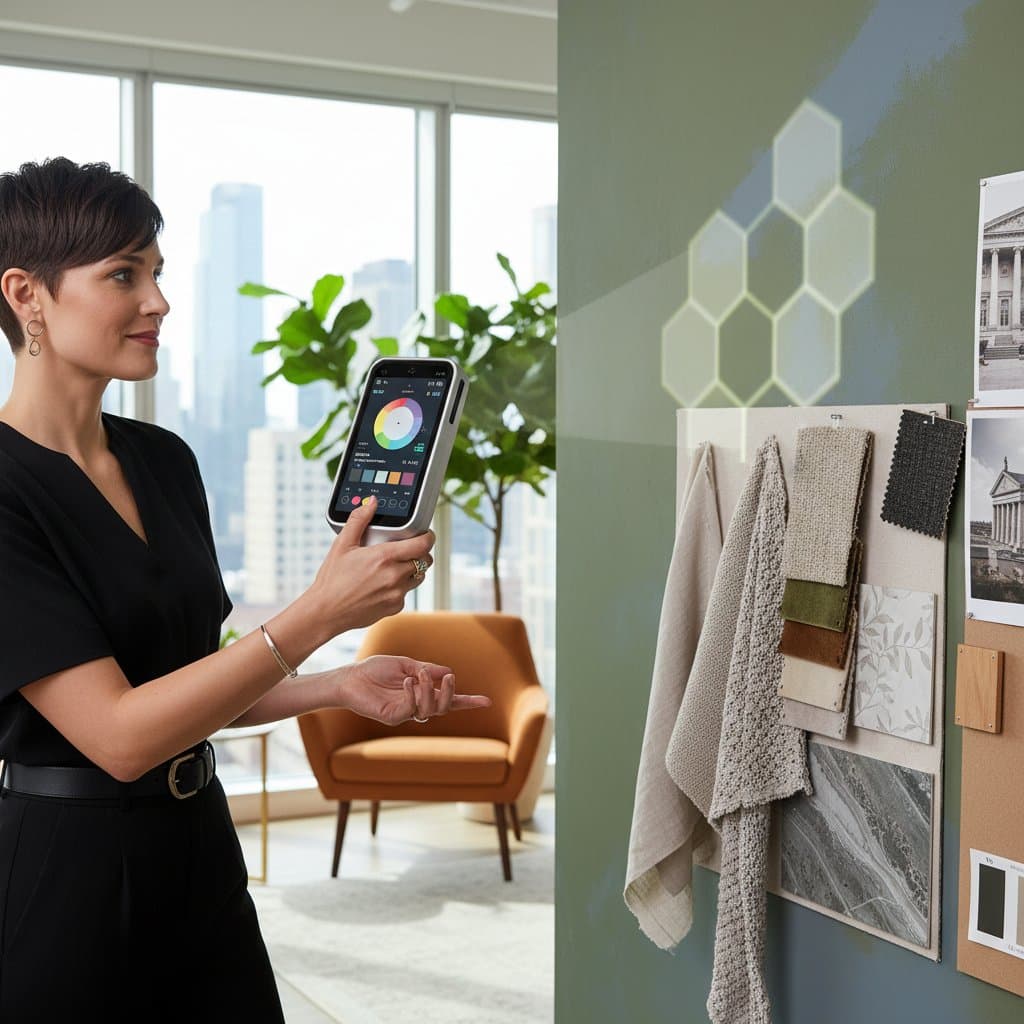
Many AI color scanners leverage smartphone cameras as high-resolution input devices. Users point the camera at a surface, and the app processes the image to find the nearest paint equivalent. It then generates suggestions for harmonious shades, drawing on established principles of color theory.
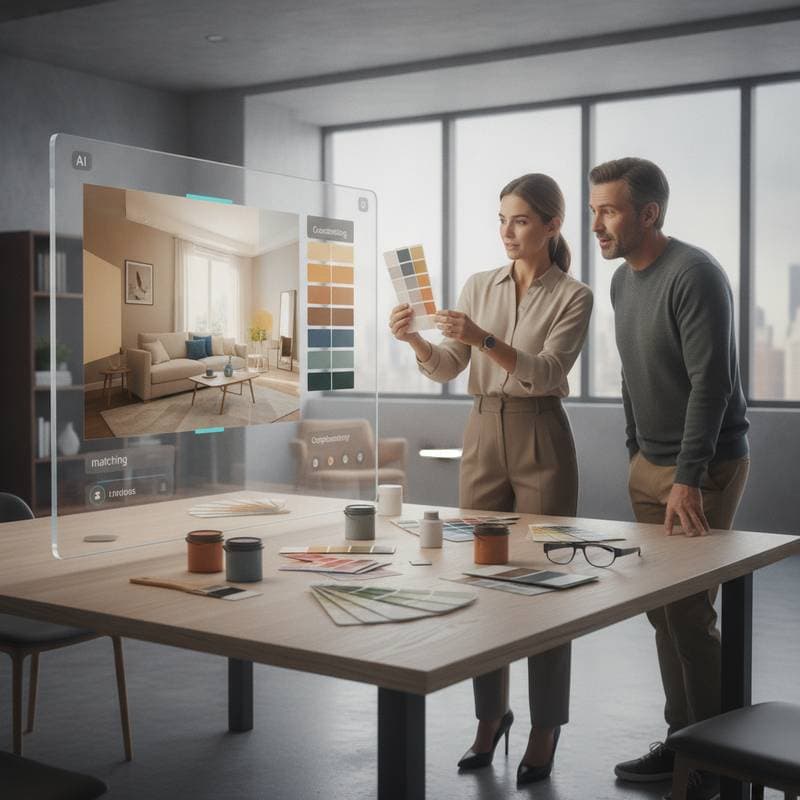
Applications like ColorMatch Pro and HueSense connect to extensive digital paint databases. They allow virtual previews of proposed colors on room images, helping users visualize outcomes before purchase. In remodeling scenarios, this feature proves essential for blending new elements with existing surfaces, such as matching faded trim or coordinating cabinetry.
Accounting for Light's Influence
Light profoundly affects how colors appear, from warm sunlight to stark fluorescents. Advanced AI systems evaluate room photos to assess light conditions, including temperature and intensity. They refine recommendations to predict real-world performance under diverse illuminations.
Architect Daniel Kline of Kline Atelier highlights how these tools mimic a photographer's analysis of light. His team applied this during a loft renovation, scanning to determine the appearance of soft gray cabinets in both daylight and artificial settings. This process confirmed Farrow & Ball's Cornforth White as the optimal choice, preventing expensive revisions.
Crafting Tailored Color Schemes
AI extends beyond single-color matching to develop complete palettes. It examines elements like wood finishes, fabrics, and user preferences to propose balanced combinations. For instance, scanning a rich walnut table might yield wall color options that enhance its natural warmth, such as Benjamin Moore's Revere Pewter or Sherwin-Williams' Accessible Beige.
This approach personalizes the design process, aligning colors with the desired mood and functionality of a space. Homeowners gain insights into emotional impacts, fostering environments that support relaxation or productivity.
Empowering DIY Enthusiasts and Professionals
Portable scanners like the Nix Mini or Datacolor ColorReader make professional-grade analysis accessible to all. Users capture colors from any source, including upholstery or artwork, and receive immediate paint equivalents. This democratizes precision, bridging the gap between expert services and independent projects.
Contractor Luis Moreno of Moreno Homeworks observes that clients now provide precise color data at meetings, replacing ambiguous descriptions. This efficiency streamlines consultations and accelerates project timelines for everyone involved.
Promoting Sustainable Practices
Precision in color selection minimizes material waste. Accurate matches reduce the need for multiple test samples, cutting down on unused paint that contributes to environmental strain. Paint producers incorporate AI into production lines for uniform mixing, further enhancing consistency.
These efficiencies align with eco-conscious remodeling trends. Homeowners achieve their visions while supporting reduced consumption and landfill diversion.
Preserving Heritage Through Digital Reconstruction
Restoring older properties requires recreating authentic colors from weathered surfaces. AI scanners detect layered pigments in plaster or wood, digitally recreating original formulas. Brands like Little Greene and Farrow & Ball collaborate with developers to archive these findings.
This technology safeguards architectural history, allowing modern adaptations that honor past aesthetics. Projects benefit from a seamless fusion of preservation and innovation.
Enhancing Creative Collaboration
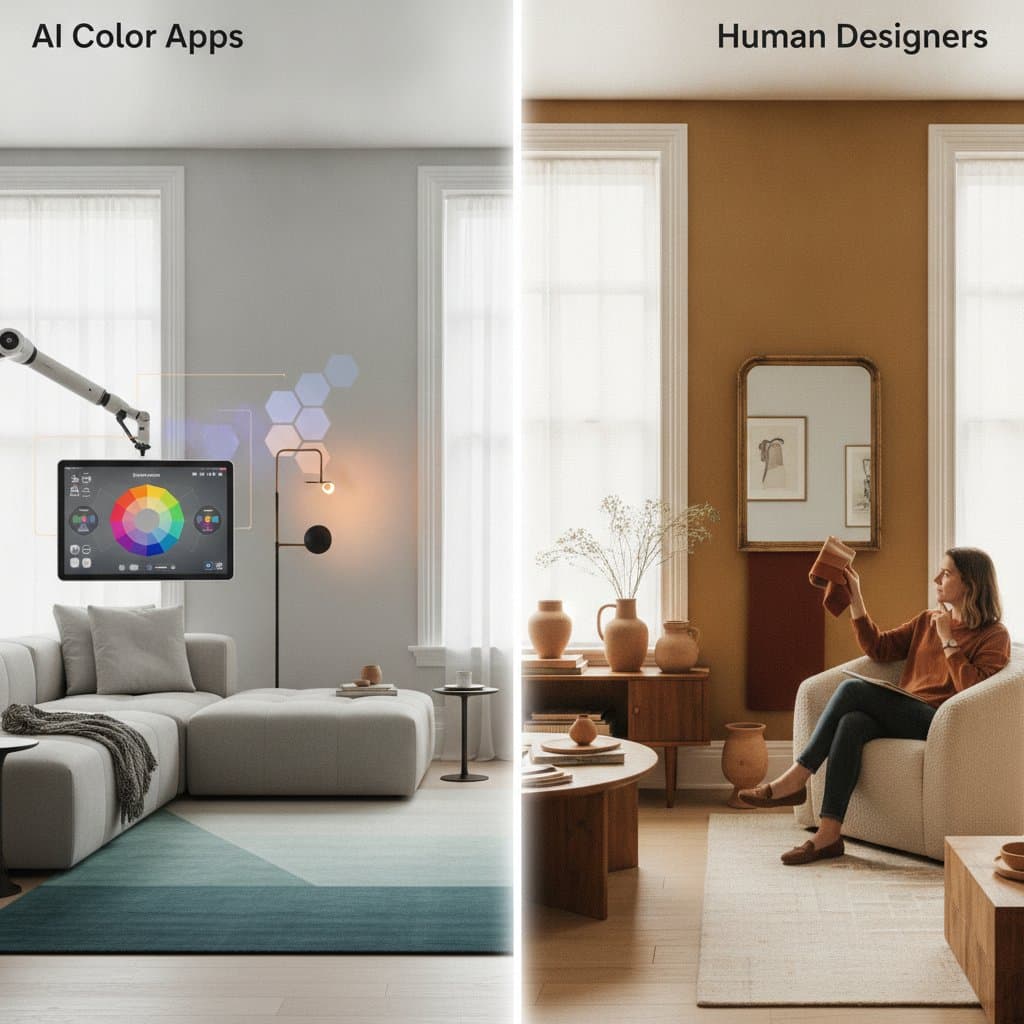
Professionals view AI as a supportive tool rather than a substitute for expertise. It processes raw data, while designers apply it to broader considerations like scale, texture, and ambiance. A scan might pinpoint Benjamin Moore's Wrought Iron for trim, but the designer integrates it with surrounding materials for overall harmony.
This synergy boosts innovation, freeing creatives to focus on conceptual elements. The result is more refined outcomes that reflect both technical accuracy and artistic intent.
Extending Analysis to Diverse Materials
AI color tools now evaluate beyond paint to encompass textiles, stone, and metals. Scanning Calacatta marble, for example, can suggest cabinet hues that complement its subtle patterns. Similarly, it analyzes wood grains or fixture tones to maintain palette unity.
Designer Isabella Ruiz of Casa Form Studio relies on this for kitchen designs. She notes that it coordinates varied elements while staying true to the project's emotional core.
Envisioning Tomorrow's Design Tools
Future advancements will embed AI deeper into design ecosystems. Augmented reality overlays could simulate paints in real time, while sensors might assess spatial energy to recommend mood-enhancing colors. These developments promise even greater accessibility and intuition.
Achieving Confident, Lasting Results
AI color scanners deliver more than technical accuracy; they instill assurance in the design process. Homeowners explore options without fear of mismatch, supported by reliable data. The outcome is spaces that embody intention, balance, and individual character, whether in timeless restorations or sleek modern builds.